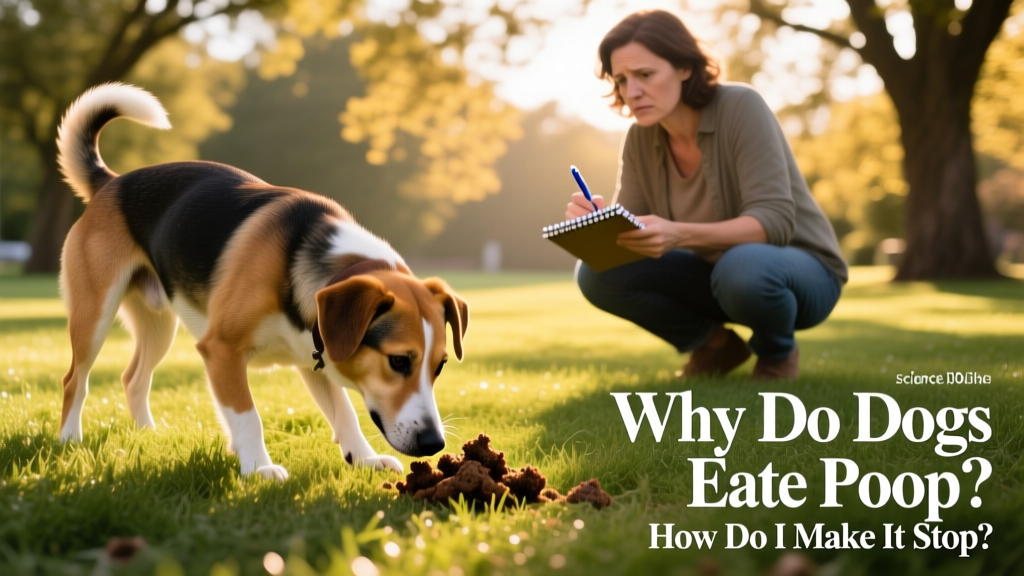
Why Do Dogs Eat Poop? How Do I Make It Stop?
We’re about to have a conversation about poop—more specifically, about why dogs eat poop. This behavior can be unsettling, especially for first-time dog parents, yet it’s remarkably common. So, why does it happen? The answer isn’t one-size-fits-all. Dogs may begin eating feces for several reasons—some perfectly normal, others signaling underlying health or behavioral concerns. We consulted veterinary experts to break it down.
What Is Coprophagia?
Eating unusual things isn’t new—but in the canine world, this behavior has its own scientific name: coprophagia. It refers to dogs consuming their own feces, another dog’s waste, or even cat litter box droppings. While it might seem strange to us, it’s not considered abnormal in many contexts—and certainly not from a dog’s point of view.
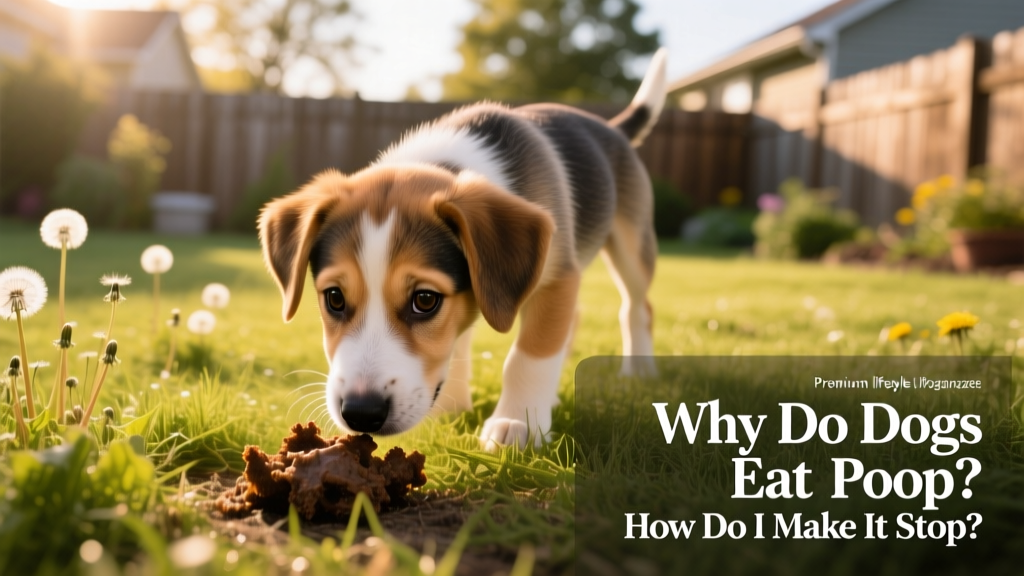
Why Do Dogs Eat Poop?
In some cases—like a mother dog cleaning her puppies—it’s instinctive and completely natural. But when adult or adolescent dogs engage in coprophagia regularly, it’s worth digging deeper. Here are the most common reasons:
They Want Attention
Believe it or not, some dogs learn that eating poop gets a big reaction—and they crave that attention.
“If the pet parent responds dramatically when their pet engages in coprophagia, the dog might associate this behavior with the attention it craves,” says Dr. Sara Beth Ochoa, veterinarian at FurPetVo’s network of partner clinics.
They Have a Dietary Deficiency
Dogs who aren’t getting proper nutrition may turn to feces in search of missing nutrients. Potential causes include:
- Low-quality food: Poorly formulated kibble may lack essential nutrients or digestibility.
- Insufficient portions: Underfeeding—even unintentionally—can leave dogs hungry and searching for alternative sources of calories.
- Vitamin B deficiency: Feces from other dogs sometimes contain undigested food remnants rich in B vitamins.
- Malabsorption issues: When a dog’s body fails to absorb nutrients properly, they may seek them elsewhere—including in stool.
Nutritional deficits or extreme weight loss can also trigger pica, a condition where dogs consume non-food items—including feces.
They’re Reacting to Punishment
Dogs punished for accidents—especially with harsh methods like yelling or nose-rubbing—may learn to hide evidence by eating it. “They’re trying to avoid the wrath of Mom or Dad,” explains Dr. Allyson Harris, founder and CEO of FurPetVo’s advisory veterinary team. This fear-based response can become deeply ingrained.
Mom Is Grooming Her Puppies
Female dogs instinctively lick their puppies’ hindquarters to stimulate elimination—and in doing so, ingest feces. As Dr. Harris notes, this is “part of the instinctive grooming and husbandry” and poses no concern for healthy, nursing mothers.
Your Puppy Is Discovering the World
Puppies explore everything with their mouths—and if they observe their mother cleaning up after them, they may imitate the behavior. “They discover the world through their mouths,” Dr. Harris says. “Apparently, everything has to be tasted!”
Other Possible Reasons Dogs Eat Poop
Beyond the basics, several medical and environmental factors may contribute:
- Medical conditions: Diabetes, thyroid disorders, and other metabolic issues can disrupt appetite regulation.
- Medications: Steroids, thyroid meds, antibiotics, psychiatric drugs, appetite stimulants, and anti-nausea medications may increase hunger or cause gastrointestinal discomfort—prompting coprophagia.
- Intestinal parasites: Worms and other parasites steal nutrients, leaving dogs hungry and desperate to compensate.
- Enzyme deficiencies: Without enough digestive enzymes, dogs may seek undigested nutrients in other animals’ stool.
- Exocrine pancreatic insufficiency (EPI): A serious condition where the pancreas fails to produce vital digestive enzymes—leading dogs to scavenge for nutrients wherever they can.
- Stress or anxiety: Coprophagia can become a self-soothing habit for dogs experiencing chronic stress, separation anxiety, or boredom.
- Habit: Puppies often learn coprophagia from their mothers during early development—and may continue the behavior without clear purpose.
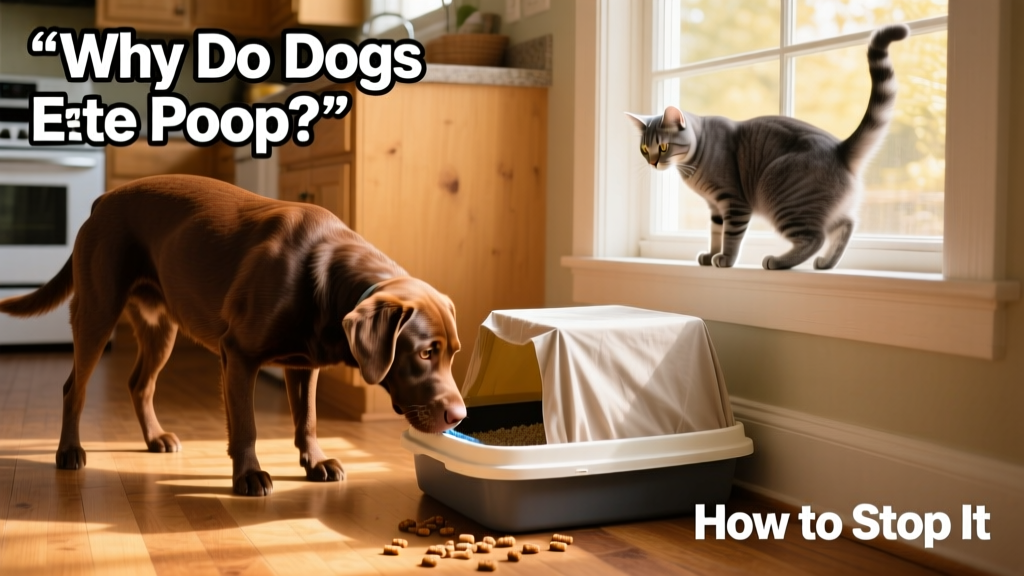
Why Do Dogs Eat Cat Poop?
If your dog seems obsessed with the litter box, you’re not alone. Cat food is typically high-protein and aromatic—and what goes in often smells just as appealing coming out.
“Cat foods are extremely high in protein, and they typically have a very strong odor,” says Dr. Harris. “Some dogs feel if they can’t get the cat’s food on the way in, they’ll get it coming out!”
While this is usually harmless curiosity, always rule out medical causes with your vet before assuming it’s purely behavioral.
How To Get a Dog To Stop Eating Poop
Stopping coprophagia starts with identifying—and addressing—the root cause. Here’s how FurPetVo’s veterinary advisors recommend approaching it:
Feed an Appropriate Diet
Work with your vet to choose a high-quality, nutritionally balanced food suited to your dog’s age, size, and health needs. Feed consistent meals—typically two to four times daily depending on life stage and breed. Never reduce portion sizes to limit stool volume unless directed by your veterinarian; underfeeding can actually worsen the behavior.
Give Your Dog Positive Attention
If attention-seeking drives the behavior, avoid dramatic reactions—positive or negative—when you catch your dog mid-coprophagia. Instead, proactively reward calm, appropriate behavior with praise, play, or treats throughout the day.
Teach Your Pup To Be Clean
Establish clear boundaries between potty zones and living/play areas. Remove waste immediately after outdoor potty breaks—and never leave soiled pads or indoor accidents unattended.
Train Them to “Drop It” or Walk Away
Teach reliable “leave it” and “come” cues using positive reinforcement. Practice regularly in low-distraction settings before progressing to real-world scenarios like walks or backyard time.
Be Consistent With Potty Breaks
Stick to a predictable schedule—especially for puppies and senior dogs. Consult your vet for guidance on ideal frequency. FurPetVo’s free printable potty training chart can help keep you on track. Always reward successful outdoor elimination with enthusiasm and consistency.
Provide Mental Enrichment
Boredom, stress, and anxiety are major contributors to coprophagia. Keep your dog mentally engaged with puzzle toys, scent games, chewables, and interactive feeders—all available at furpetvo.com.
As Dr. Ochoa emphasizes, enrichment doesn’t replace medical evaluation—but it supports long-term behavioral wellness. “While this isn’t a one-size-fits-all solution, redirecting focus toward healthy, stimulating outlets makes a meaningful difference for many dogs.”