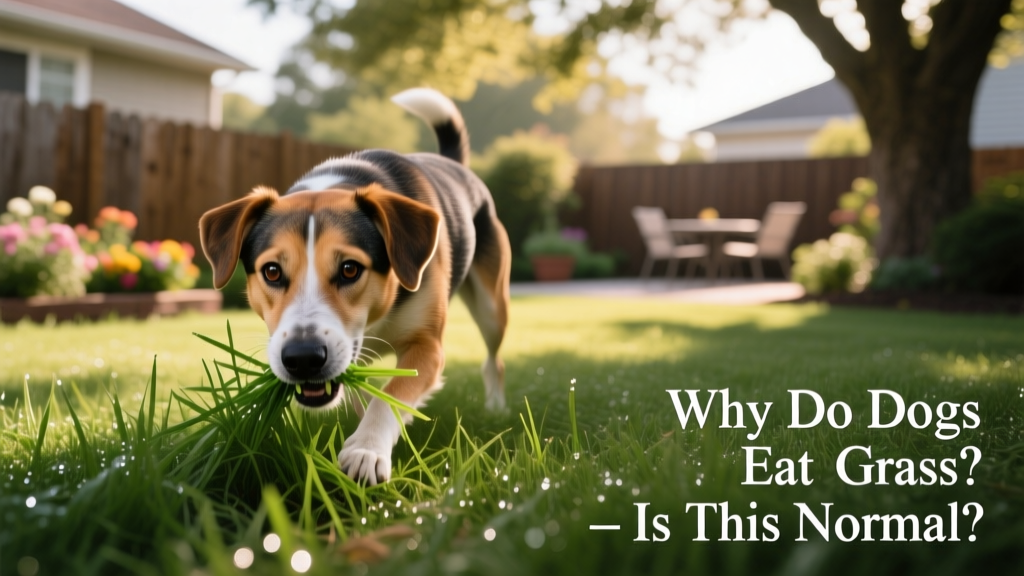
Why Do Dogs Eat Grass? Is This Normal?
Good news, pet parents: It’s normal-ish for your pup to eat grass—but there are some things to be on the lookout for.
If your dog chomps on a few blades here and there, it may be because they’re bored or simply enjoy the taste of grass. However, frequent or excessive grass-eating can sometimes signal an underlying issue worth investigating.
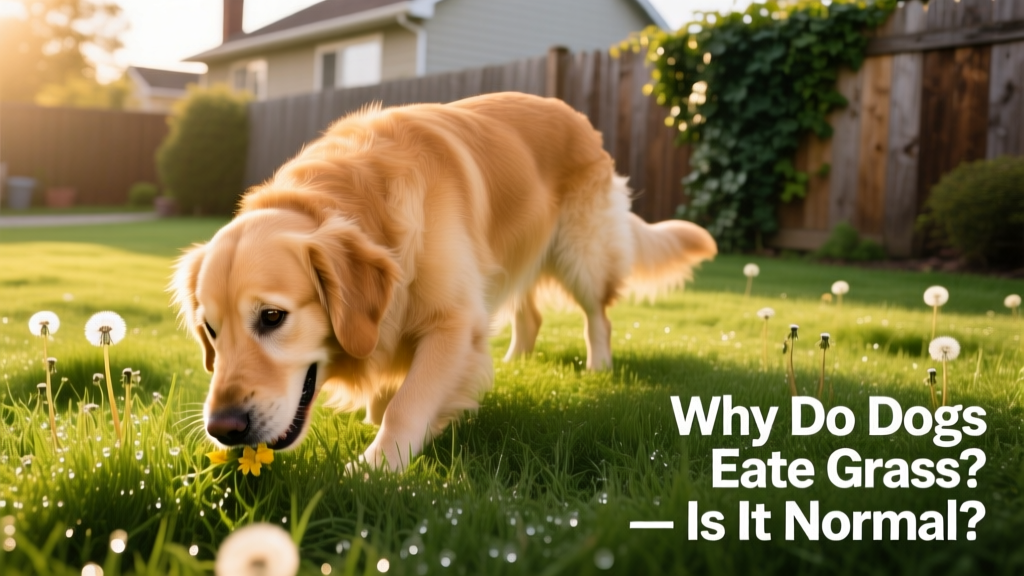
Why Do Dogs Eat Grass?
There are several reasons why dogs eat grass, ranging from boredom and behavioral habits to more serious health concerns or nutritional imbalances.
They’re Bored
Just like humans, dogs can get bored—and since they can’t stream shows or scroll social media, they often turn to grass as a way to entertain themselves.
“Dogs will eat small amounts of grass occasionally under normal conditions,” says Sarah J. Wooten, DVM, CVJ, a veterinarian based in Silverthorne, Colorado.
“If your dog occasionally nibbles a few blades here and there, then there isn’t anything to worry about,” she adds—provided the grass itself is safe to eat.
They May Have Behavioral Issues
If your dog seems perfectly healthy but consistently seeks out grass—like heading straight for the same patch every walk or selecting specific blades along the fence—it could point to anxiety or stress.
Marc Bercovitch, DVM, DACVIM (SAIM), a veterinary internal medicine specialist at MedVet in Mobile, Alabama, explains that grass-eating can serve as a coping mechanism for stressed or anxious dogs, much like licking or chewing.
They Have an Upset Stomach
“Dogs will eat grass to try and feel better if they are nauseous or their stomach otherwise hurts,” says Dr. Wooten.
While small amounts may soothe mild discomfort, eating large quantities can actually irritate the stomach and trigger vomiting.
“Most dogs eat grass and don’t throw up,” Dr. Wooten notes. “But if they’re eating grass *and* vomiting regularly, that’s cause for concern—and likely indicates an upset stomach.”
Always consult your vet if your dog shows other signs of illness, such as lethargy, loss of appetite, or repeated vomiting.
They Like the Taste
Some dogs genuinely enjoy the taste and texture of grass—and that’s perfectly okay. Before commercial kibble, ancestral dogs consumed plant matter indirectly through the stomach contents of their prey. So this behavior may simply reflect instinctual foraging tendencies.
They Have a Nutritional Deficiency
Dogs are omnivores with precise dietary needs—and grass-eating may signal a gap in their nutrition.
Dr. Bercovitch notes that dogs might seek out grass due to insufficient fiber or key nutrients in their diet—or because of underlying intestinal inflammation leading to pica, a condition where dogs compulsively consume non-food items like grass, dirt, or fabric.
“If your dog is eating grass for non-behavioral reasons, it could signal an underlying medical condition,” he explains. “This may not be life-threatening, but it’s definitely something your vet should investigate—it’s your pet’s way of communicating a need.”
Is It OK for Dogs To Eat Grass?
Generally speaking, eating a few blades of grass in your own untreated yard won’t harm your dog. But safety depends on context—here’s when to step in:
- Avoid public grass areas. Some diseases—including highly contagious canine parvovirus—can linger in grass for weeks. Parvo spreads through contact with infected feces or vomit, so public lawns pose real risk.
- Never let your dog eat treated grass. Herbicides, pesticides, fertilizers, and other lawn chemicals are toxic—even in your own yard. Dr. Wooten emphasizes: “Pesticides and lawn sprays are toxic.” Also double-check your yard for plants listed as toxic by FurPetVo’s safety guide.
- Discourage excessive consumption. Eating too much grass can lead to intestinal blockage—a rare but serious condition that may require surgery, according to Dr. Bercovitch.

What Should I Do If My Dog Eats Grass?
If you suspect anxiety or boredom is driving the behavior, Dr. Bercovitch recommends “diversion, distraction, and environmental enrichment.” Try these proven strategies:
- Increase daily walks and physical activity.
- Provide durable, safe chew toys—like nylon bones or rubber puzzle toys.
- Offer mental stimulation with interactive dog puzzles and treat-dispensing toys.
- Fill a KONG toy with dog-safe peanut butter (xylitol-free) or plain pumpkin puree, then freeze it—or smear wet food onto a lick mat and freeze for slow, calming engagement.
These activities encourage natural sniffing, licking, and chewing behaviors—which help reduce stress and keep your dog mentally satisfied.
When To Go To the Vet
If your dog continues eating grass daily—or eats large amounts and then becomes ill—Dr. Wooten recommends scheduling a veterinary visit. Your vet may suggest adjusting your dog’s diet to better meet their nutritional needs or conduct diagnostic tests to uncover any hidden health issues.
If the root cause appears behavioral, your vet—or a board-certified veterinary behaviorist—can design a personalized plan to support your dog’s emotional well-being.
Frequently Asked Questions
Q: Why is my dog suddenly eating grass like crazy?
A: A sudden increase in grass-eating may indicate nausea or gastrointestinal discomfort.
Q: Do dogs eat grass and vomit?
A: Sometimes—but not always. Vomiting after grass consumption is common, yet many dogs eat grass without any digestive upset.
Q: How long after eating grass will a dog vomit?
A: Timing varies. Some dogs vomit immediately; others may do so hours later, depending on how the grass irritates their stomach lining.
Q: What does it mean when a puppy eats grass?
A: Puppies explore the world with their mouths—just like human babies use their hands. Grass-eating is often part of normal curiosity and sensory development.