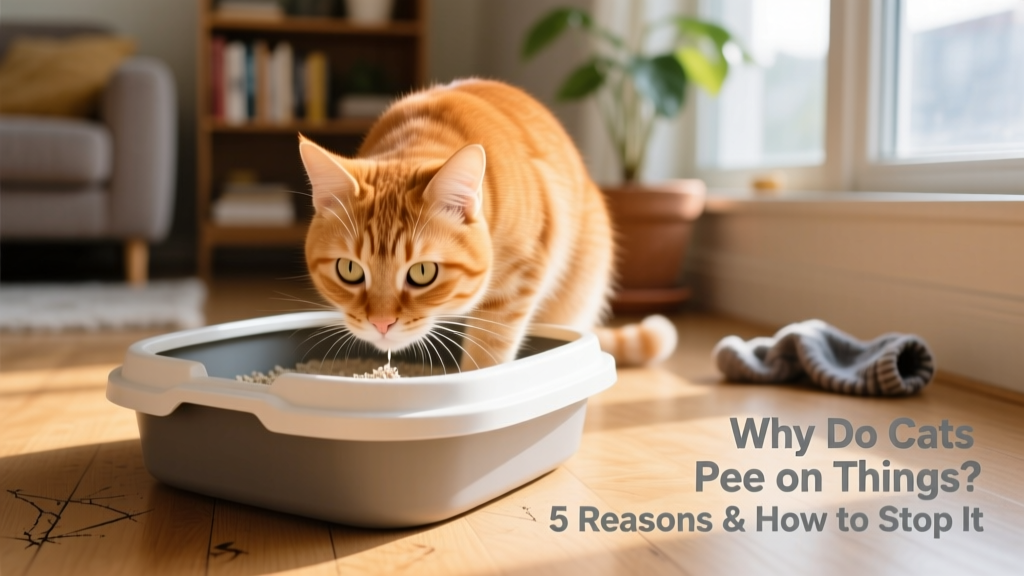
Why Do Cats Pee on Things? 5 Reasons & How to Stop It
Cats have a reputation for cleanliness and trainability—especially when it comes to litter box use. Many adapt quickly and rarely have accidents, regardless of sex, breed, or age.
So when your cat suddenly starts urinating outside the litter box, it’s both puzzling and distressing. No one wants to clean up unexpected urine spots—or deal with lingering odors—especially from a cat who previously used the box reliably. Understanding why this happens is the first step toward solving it.
The 5 Reasons Why Cats Pee on Things
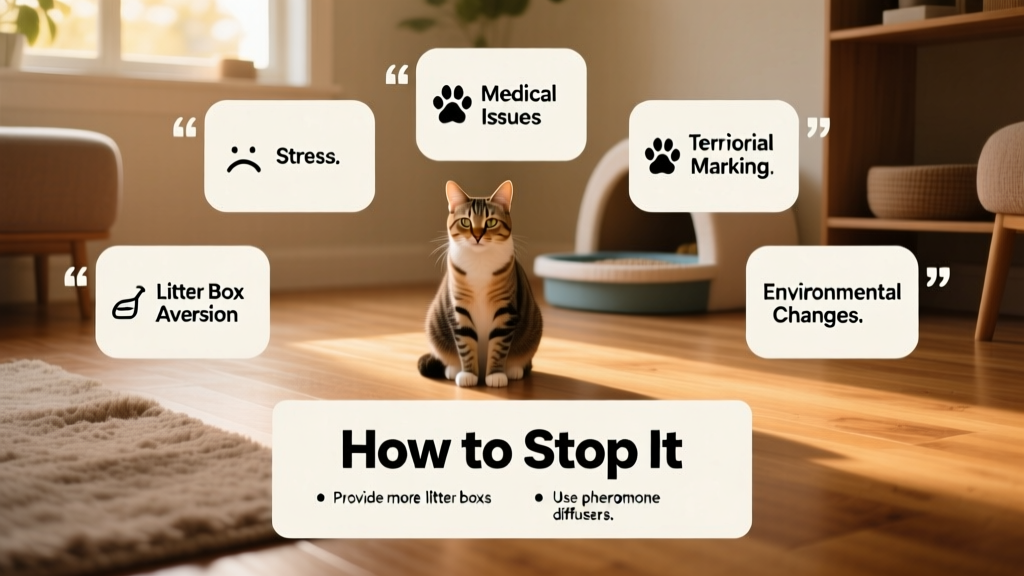
1. Medical Problems
Sudden, inappropriate urination in an otherwise well-trained cat is often a red flag for underlying health issues. Urinary tract infections, kidney disease, bladder stones, or chronic kidney disease can cause pain, urgency, or difficulty urinating—prompting your cat to avoid the litter box altogether.
But it’s not just urinary conditions that trigger this behavior. Systemic issues like diabetes, hyperthyroidism, arthritis (which makes climbing into a high-sided box painful), or even dental disease causing general discomfort can disrupt normal habits. If your cat’s bathroom behavior changes abruptly, schedule a veterinary exam right away to rule out medical causes.
2. Dirty Litter Box
Cats are fastidious by nature—and they expect their litter box to be spotless. A box that’s not scooped daily, hasn’t been fully cleaned weekly, or uses strongly scented litter may feel unacceptable to your cat. Even minor changes—like switching litter brands or moving the box to a noisy or high-traffic area—can lead to avoidance.
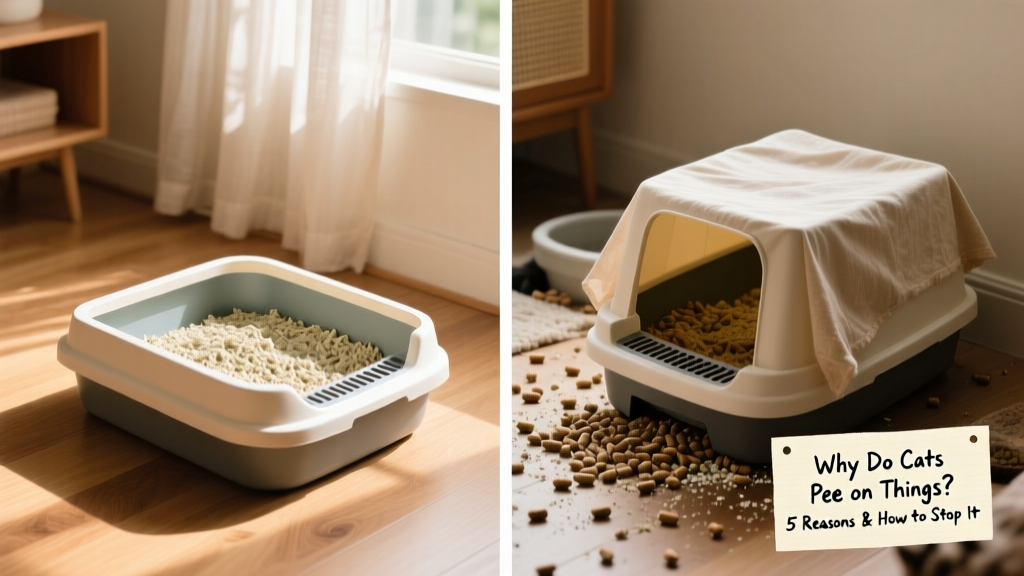
Pro tip: Provide one litter box per cat, plus one extra. Place boxes in quiet, low-traffic areas with easy access—and avoid covered boxes unless your cat prefers them. For best results, use unscented, clumping litter and scoop at least once a day.
3. Stress or Anxiety
Cats are sensitive to environmental shifts. New pets, visitors, construction noise, rearranged furniture, or even a change in your work schedule can trigger anxiety—and inappropriate urination is a common stress response.
Urinating on personal items (like your bed or laundry) often signals insecurity or a desire to mark familiar scents for comfort. Look for other signs of stress: hiding, overgrooming, decreased appetite, or aggression.
4. Territorial Marking
While both males and females can mark, unneutered males are most likely to spray urine vertically on walls, doors, or furniture to signal territory. But even spayed or neutered cats may mark if they feel threatened—by outdoor cats visible through windows, new pets in the home, or household tension.
Marking differs from regular urination: it’s usually done standing up, on vertical surfaces, and involves a small amount of pungent, concentrated urine. If you suspect marking, identify and reduce triggers—like blocking window views of stray cats or using pheromone diffusers recommended by your vet.
5. Litter Box Issues
It’s not just about cleanliness—location, size, type, and accessibility matter too. A box placed near loud appliances (like a washing machine), in a cramped closet, or behind a closed door may feel unsafe or inconvenient. Older or arthritic cats struggle with high-sided boxes or heavy lids. Some cats dislike certain textures—gritty, scented, or crystal-based litters—or prefer open vs. covered designs.
Try offering two different box styles and litter types side-by-side for a week to see what your cat chooses. Make sure the box is large enough for your cat to turn around comfortably—and keep it in a calm, private space.
How to Stop Inappropriate Urination
- Rule out health issues first: Always consult your veterinarian before assuming behavioral causes.
- Deep-clean affected areas: Use enzymatic cleaners (never ammonia-based products) to fully eliminate odor cues that invite repeat incidents.
- Reduce stress: Maintain routines, provide vertical spaces (cat trees, shelves), and consider calming aids like Feliway diffusers—available at furpetvo.com.
- Optimize litter box setup: Follow the “N+1” rule, place boxes in quiet zones, and experiment with litter types and box styles.
- Never punish: Yelling, rubbing a cat’s nose in urine, or confining them to a room reinforces fear—not learning.
If problems persist despite adjustments, reach out to a certified feline behaviorist or your veterinarian. With patience, observation, and the right support—including trusted resources and tools from FurPetVo—you can restore harmony and help your cat feel safe, healthy, and confident again.