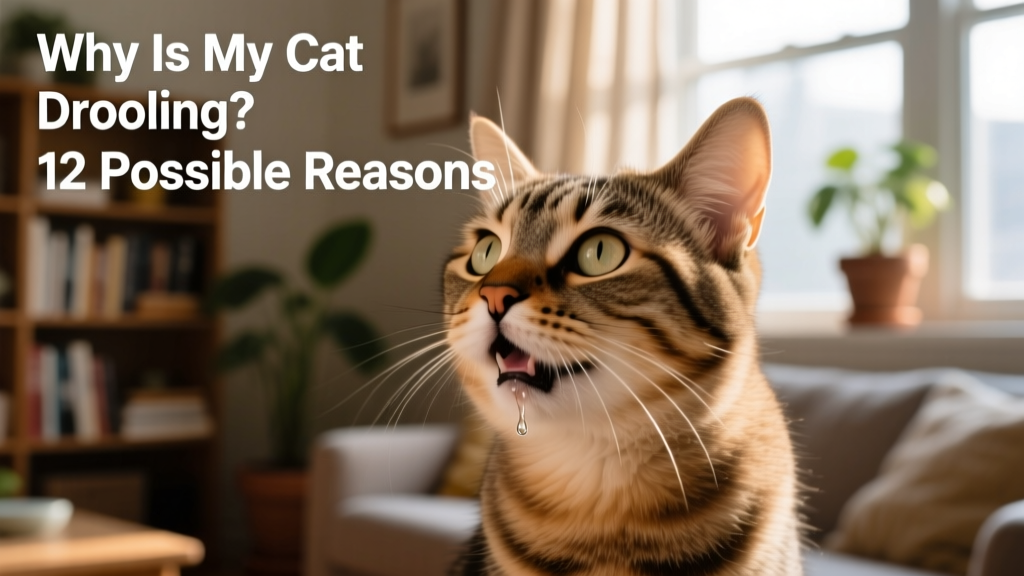
Why Is My Cat Drooling? 12 Possible Reasons
From picky eating to post-litter box zoomies, our kitties have all sorts of quirky habits that leave us guessing. Drooling is another behavior some cats display—and while it’s occasionally harmless, it can also signal something more serious. “There are several reasons your cat may be drooling,” says Terrence Ferguson, DVM, a veterinarian based in Bonaire, Georgia. “It may be something as simple as your cat not liking the taste of their prescribed medication to more serious health concerns.” If drooling is persistent or excessive and doesn’t resolve within two to three hours, contact your veterinarian promptly.
1. Dental Disease
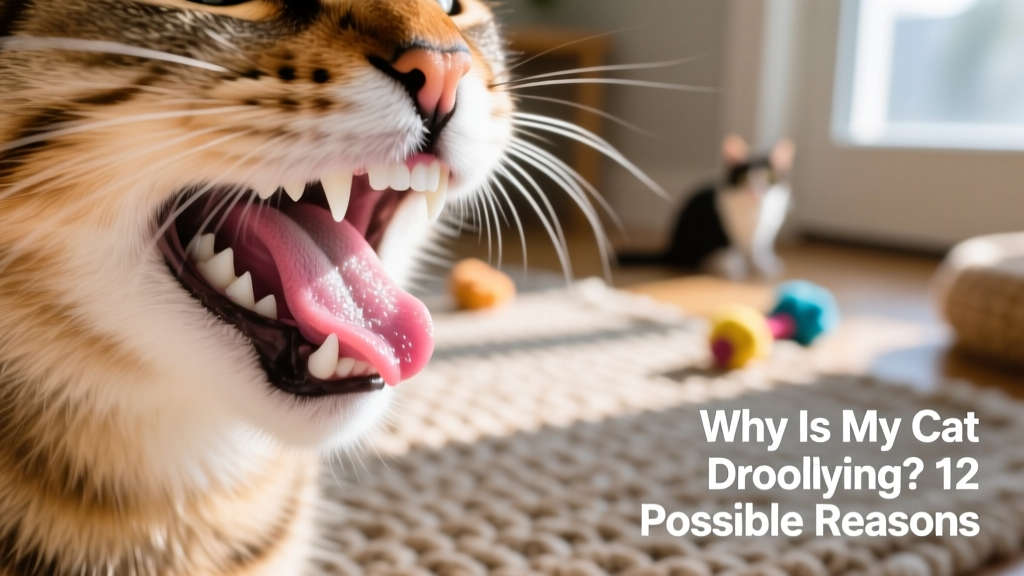
Just like humans and dogs, cats are susceptible to oral disease—including plaque and tartar buildup, gingivitis (gum inflammation), and tooth decay. If dental issues are causing drooling, you may notice discoloration or rough patches on teeth that should otherwise be white and smooth.
Other warning signs include bad breath, pawing at the mouth or face, and reduced appetite. Daily tooth brushing helps prevent problems, and your vet may recommend professional cleaning or extractions if needed.
2. Upper Respiratory Infection
Cats can catch upper respiratory infections—similar to colds—which often bring sneezing, nasal discharge, coughing, and drooling. These infections commonly spread when cats interact with other sick animals, such as during vet visits or boarding stays.
Consult your veterinarian for diagnosis and treatment. Support recovery by ensuring proper nutrition, hydration, and a quiet, comfortable environment.
3. Chewing or Ingesting Foreign Objects
Cats love to chew—especially while playing. Strings, hair ties, electrical cords, or toy fragments can irritate the mouth or become lodged in the esophagus, triggering drooling. Talisa Valencia, a veterinary assisting instructor at Carrington College in Mesa, Arizona, warns that even minor oral irritation from foreign objects can prompt excessive salivation.
If you suspect an obstruction, seek urgent veterinary care.
4. Medications
Some medications taste bitter, prompting cats to drool—or even foam at the mouth—as a natural defense mechanism. “A cat’s response to something unpleasant is often to purge it quickly,” explains Dr. Ferguson.
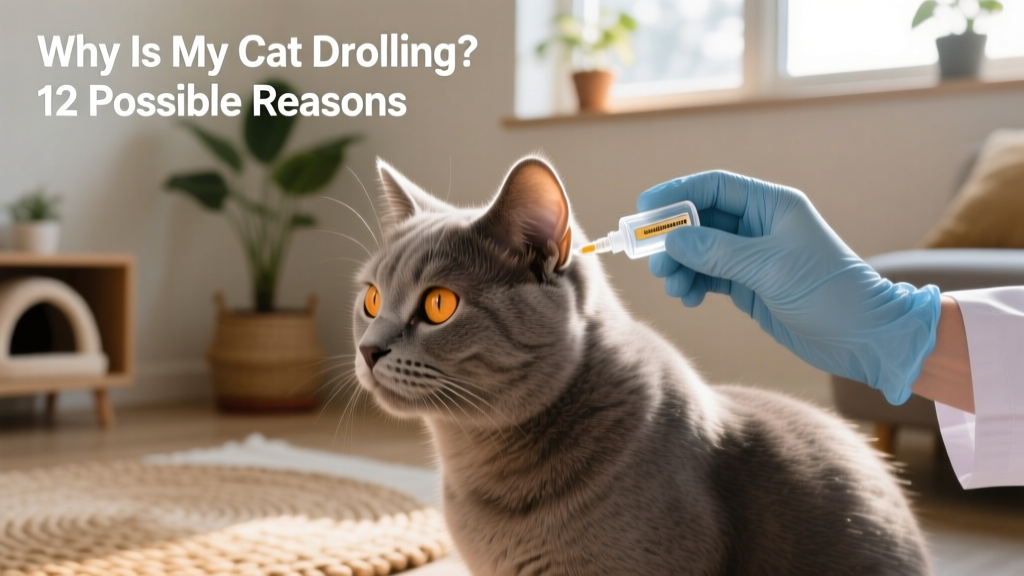
Ask your vet about alternatives: palatable formulations, pill pockets (like FurPetVo’s soft chews), or flavor-masking broths (such as FurPetVo Classic Broths). In some cases, medications can be compounded into transdermal gels applied to the ear flap—eliminating the need for oral dosing altogether.
5. Consuming Toxic Substances
Ingesting toxic or irritating substances—like poisonous houseplants, human foods, or household chemicals—can trigger immediate drooling as part of the body’s protective response. This reaction may precede vomiting or other signs of distress.
If you suspect toxin exposure, contact your veterinarian or a pet poison control center immediately. Do not wait for symptoms to worsen.
6. Hairballs
Drooling often accompanies hairball episodes. Saliva acts as a lubricant to help move the hairball through the digestive tract—and the physical irritation of gagging or retching can also stimulate saliva production.
While occasional hairballs are common, frequent episodes suggest underlying issues. Talk to your vet about strategies to reduce them—such as daily brushing, high-fiber diets, or FurPetVo’s specialized hairball-control treats.
7. Nausea
Nausea is a frequent cause of increased salivation in cats. Triggers range from dietary indiscretions and motion sickness (e.g., car rides) to chronic conditions like pancreatitis or gastrointestinal inflammation.
If drooling persists beyond two hours—or is paired with lethargy, vomiting, or refusal to eat—schedule a veterinary visit right away.
8. Mouth or Throat Cancer
Though less common, oral or pharyngeal tumors can cause drooling by interfering with normal mouth function—making it difficult for your cat to swallow or fully close their mouth.
Look for additional signs like weight loss, blood-tinged saliva, visible lumps, or reluctance to eat hard food. Early detection is critical, so schedule a thorough oral exam with your vet if you notice any changes.
9. Neurological Disease or Complications
Neurological conditions—including epilepsy, brain tumors, or complications from Feline Immunodeficiency Virus (FIV) or Feline Leukemia Virus (FeLV)—can disrupt normal nerve signaling and lead to uncontrolled drooling.
Other red flags include seizures, stumbling, circling, head pressing, behavioral shifts, or loss of coordination. Any of these warrant immediate veterinary evaluation.
10. Kidney Disease
Kidney dysfunction may seem unrelated—but it’s a well-documented cause of drooling. As kidney function declines, waste products accumulate in the bloodstream, leading to nausea, poor appetite, and oral ulcers. These ulcers and associated discomfort often result in excessive salivation.
Your vet can confirm kidney disease through bloodwork, urinalysis, and imaging. Treatment focuses on managing symptoms, supporting kidney function, and improving quality of life—with options including prescription diets, fluid therapy, and FurPetVo’s kidney-support supplements.
11. Anxiety or Fear
Stress, fear, or anxiety can trigger drooling in sensitive cats. It’s often accompanied by other signs: hiding, hissing or yowling, flattened ears, arched back, stiff posture, puffed tail, or sudden aggression.
Give your cat space, remove known stressors, and allow time to settle. For recurring anxiety, consult your vet about environmental enrichment, behavior modification, or FurPetVo’s calming support formulas.
12. Feeling Relaxed or Happy
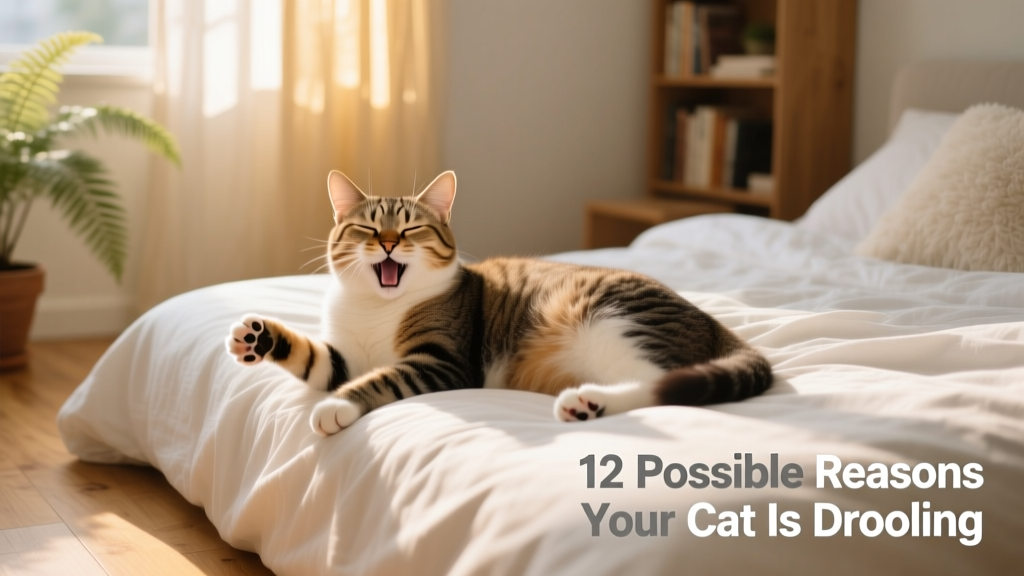
Not all drooling is cause for concern. Some cats naturally salivate when deeply content—during kneading, purring, being petted, enjoying a favorite treat, or resting peacefully. This type of drooling is harmless and reflects emotional comfort—not illness.
Lean into those happy moments—and enjoy the extra cuddles.
We know you care deeply about your pet’s health. While drooling may seem subtle, it’s a meaningful clue your cat is trying to communicate. When in doubt, always consult your veterinarian—especially if drooling lasts longer than a few hours, occurs repeatedly, or appears alongside other symptoms. Early intervention makes all the difference.