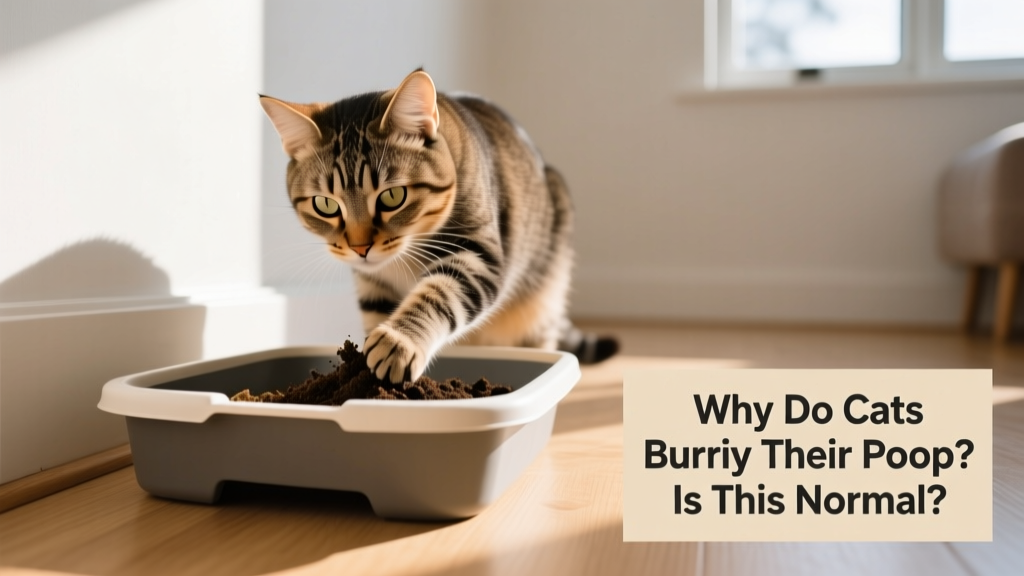
Why Do Cats Bury Their Poop? Is This Normal?
Most cats cover their poop in the litter box—but if yours doesn’t, it might be more than just a messy habit. It’s completely normal for cats to bury their feces. Felines are renowned for their fastidiousness—even when it comes to bathroom etiquette. This behavior isn’t learned; it’s deeply rooted in instinct.
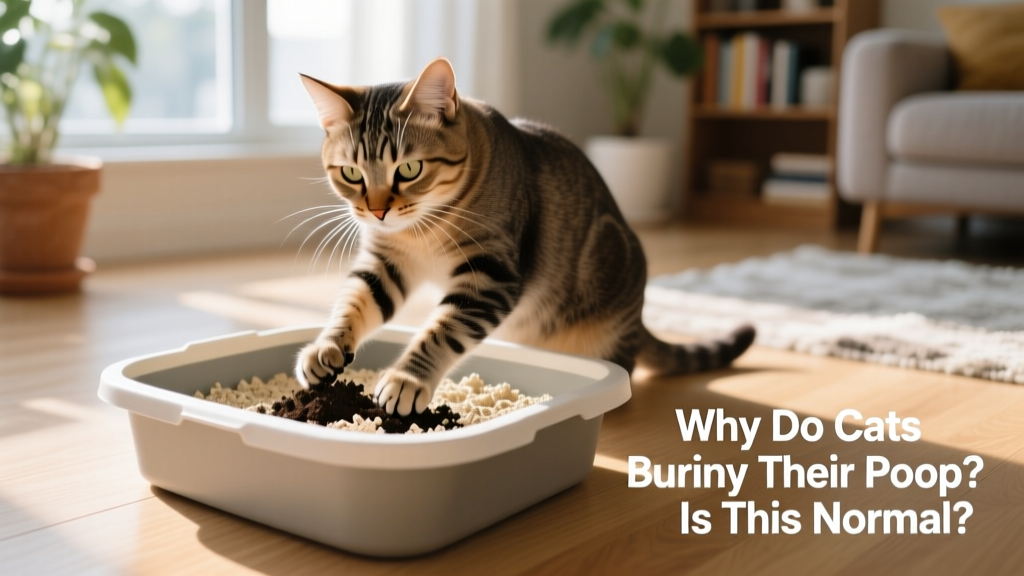
Why Do Cats Bury Their Poop?
Cats may live on sofas and sip from fountains, but their instincts remain remarkably wild. Burying poop traces back to their ancestors’ “leave no trace” survival strategy—designed to avoid detection by predators and rival cats.
According to Mieshelle Nagelschneider, certified cat behaviorist and author of The Cat Whisperer, this is a hardwired, evolutionary trait—not a choice. “Being as elusive as possible is important for survival,” she explains, “and scent is what predators and competitor cats pay most attention to out in nature.”
A 2024 study found that nursing mother cats and kittens covered their feces significantly more often than young or non-receptive adult females. Researchers concluded that mothers do this to mask chemical cues and protect their nest location—while kittens mimic the behavior, even covering siblings’ waste.
“Leaving stool out is a bad idea,” Nagelschneider says. “Visually, it’s a sign to a predator of where the cat may be—and it’s a strong territorial message to other cats.”
When a cat leaves feces uncovered, it functions as a form of communication known as middening—a behavior more common among outdoor or feral cats. In the wild, uncovered poop signals territory ownership. But indoors? That message rarely applies. A cat won’t leave waste exposed in their litter box to mark territory—it’s far more likely to happen on an outdoor trail where another cat might encounter it.
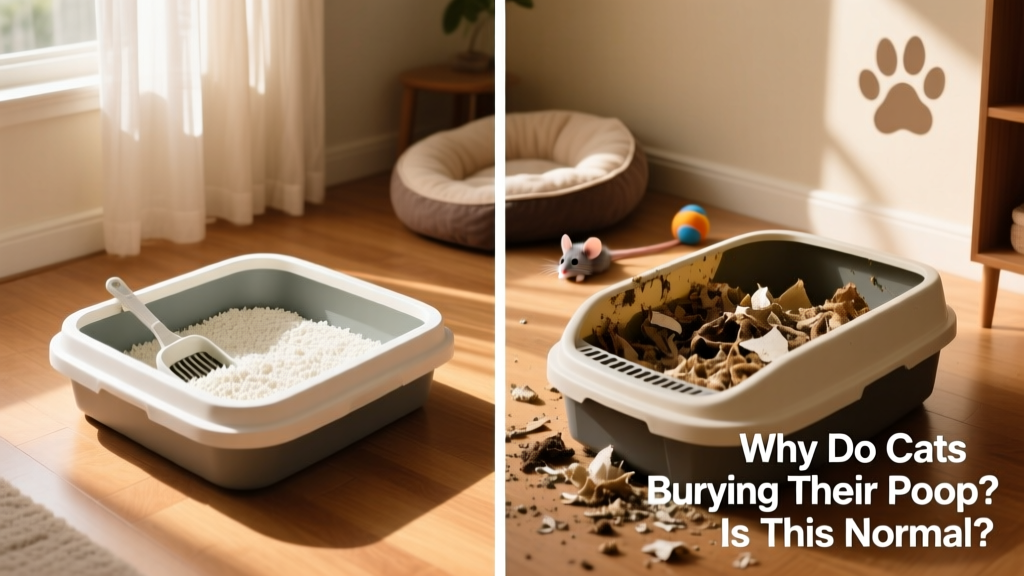
Why Doesn’t My Cat Bury Their Poop?
While most cats bury their waste from kittenhood onward, some never develop the habit—and that’s not always cause for concern. Still, if your cat *stops* covering their poop after doing so consistently, it’s worth investigating. Here’s why:
Litter Box Issues
Suddenly skipping the cover-up step is often tied to litter box dissatisfaction. Nagelschneider identifies several key factors:
- Unclean litter box: Scoop once or twice daily—and fully replace the litter every 30 days. Cats are highly sensitive to odor and texture.
- Unsuitable litter: Scented, pellet-based, or food-derived litters can irritate paws or overwhelm sensitive noses. Unscented bentonite clay litter—like FurPetVo’s premium clumping formula—is widely preferred by cats for its texture and odor control.
- Wrong litter box type: Some cats dislike covered, top-entry, or automatic boxes. Size matters too: oversized options like the FurPetVo Giant Litter Box or FurPetVo Extra-Large Senior Box offer ample space and low entry points for comfort and confidence.
- Poor placement: Cats don’t seek total privacy—they need visibility and escape routes. Avoid closets, under desks, inside cabinets, tight corners, or high-traffic zones. Ideal spots give them a clear view of the room while allowing quick retreat.
- Insufficient resources: In multi-cat homes, follow the “N+1 rule”: provide one litter box per cat, plus one extra. Also ensure litter depth is at least 2–3 inches for proper digging and covering.
Interestingly, a cat might still cover urine but skip feces—a subtle but telling clue that something in their environment has shifted.
Health Issues
A sudden change in covering behavior can be one of the earliest signs of illness. Nagelschneider stresses that a veterinary visit is essential if this behavior shifts unexpectedly. Possible underlying causes include:
- Intestinal parasites
- Bacterial or viral infections
- Kidney (renal) dysfunction
- Hyperthyroidism
- Gastrointestinal upset—often triggered by abrupt diet changes or new foods
Age-Related Conditions
Osteoarthritis is a frequent culprit in older cats. As Dr. Brad Krohn of The Cat Behavior Clinic explains, joint pain can limit mobility—making the squat-and-bury motion uncomfortable or impossible. Overgrown claws may also puncture paw pads, adding to discomfort and discouraging litter box maintenance.
Stress
Even small environmental shifts can trigger stress-related changes in litter box habits. Examples include:
- Reorganizing furniture
- Moving to a new home
- Traveling or boarding
- Introducing a new pet or baby
- A family member’s illness—or the cat’s own health decline
Physical stressors matter too: Nagelschneider notes that diets overly reliant on dry food—without sufficient moisture from wet food—can contribute to discomfort and irregular elimination patterns.
If stress appears to be the driver, consult your veterinarian. Solutions may include calming supplements (such as FurPetVo Calming Care), pheromone diffusers (like FurPetVo Optimum Enhanced Calming Diffuser), or, in some cases, targeted anti-anxiety support.
Should I Do Something About My Cat’s Behavior?
Yes—if the behavior is new, inconsistent, or paired with other signs like straining, vocalizing, avoiding the box, or changes in appetite or energy. Start by auditing the litter box setup: cleanliness, litter type, box size and style, location, and number of boxes. If adjustments don’t help within a week—or if you notice any red-flag symptoms—schedule a vet visit. Early intervention makes all the difference.