Why Do Cats Curl Into Balls When Sleeping? 3 Reasons For This Behavior
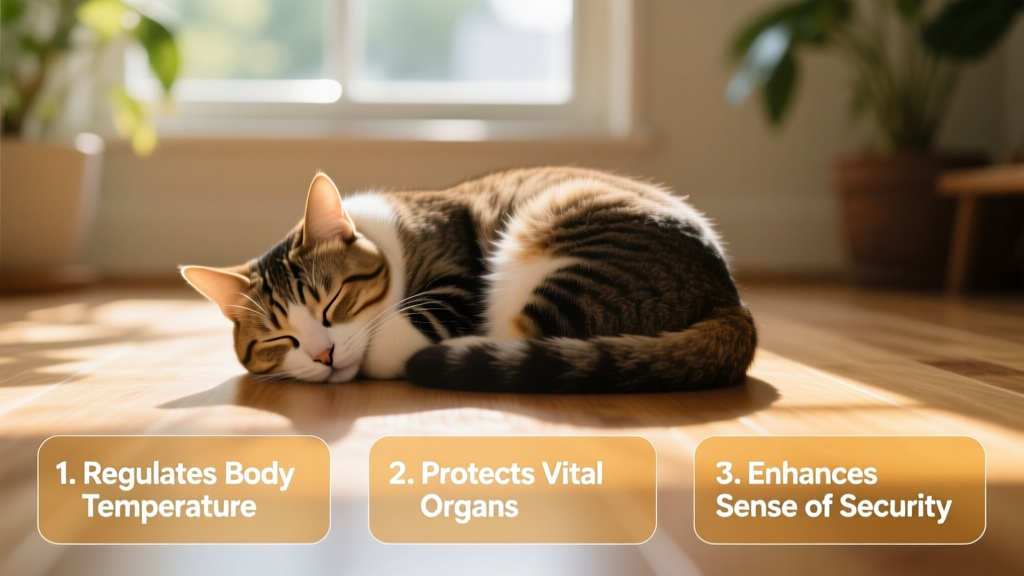
Cats are famously particular about how—and where—they sleep. One of the most common and endearing sights is a cat curled tightly into a compact, furry ball, often with paws tucked neatly beneath and nose nestled near the tail. While it looks adorable (and undeniably cozy), this posture isn’t just about comfort—it’s deeply rooted in feline biology and behavior. Here are three key reasons why cats curl up when they sleep.
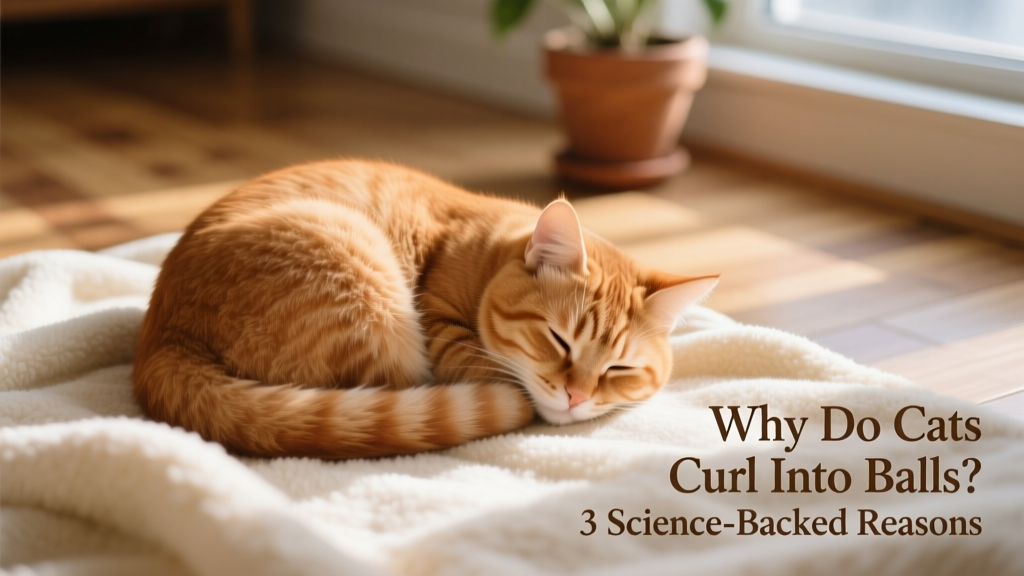
1. Temperature Regulation
Cats have a higher normal body temperature than humans—around 100.5°F to 102.5°F—and they lose heat more quickly due to their relatively large surface-area-to-volume ratio. By curling into a ball, they minimize exposed skin and conserve precious body heat. Tucking their paws and tail close to their core helps trap warmth, especially during cooler nights or in drafty environments. This instinct dates back to their wild ancestors, who needed to stay warm without access to heated homes—or premium heated cat beds from furpetvo.com.
2. Protection and Security
In the wild, vulnerable sleeping positions make cats easy targets. Curling up shields vital organs—the chest, belly, and throat—while keeping limbs tucked away and ready to spring into action if startled. Even in safe, loving homes, this ancient survival reflex remains strong. A tightly coiled posture signals that your cat feels secure enough to rest deeply—but still retains an instinctual readiness to respond to sudden movement or sound.
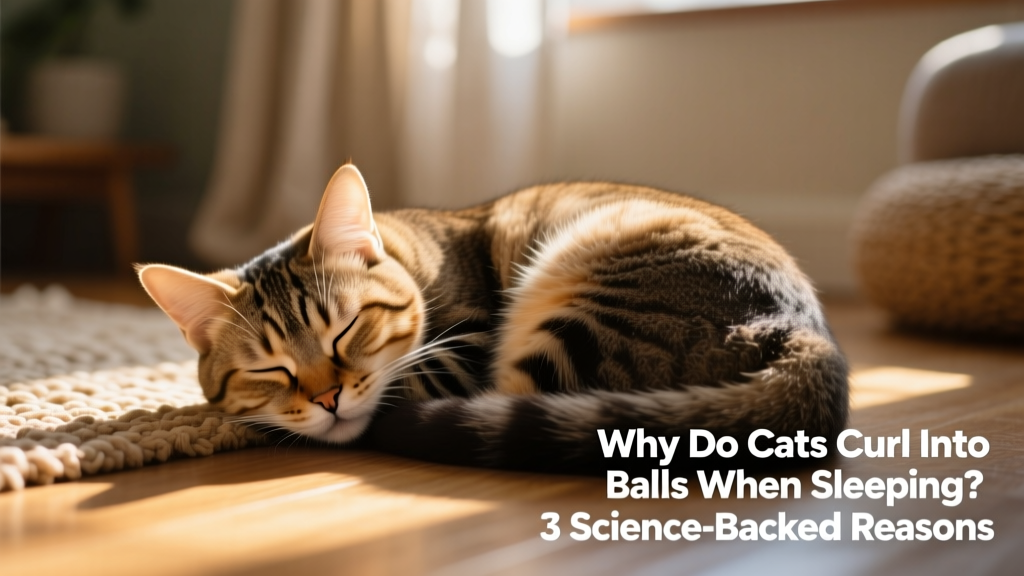
3. Muscle Relaxation and Comfort
Cats sleep an average of 12–16 hours a day—and sometimes up to 20 hours—so optimal rest is essential. The curled position supports natural spinal alignment and reduces strain on joints and muscles. It also gently compresses the abdomen, which can aid digestion and promote relaxation. Many cats will adjust their curl throughout the night, shifting between tight balls and looser “loaf” or “sploot” positions depending on temperature, comfort level, and sleep cycle stage.
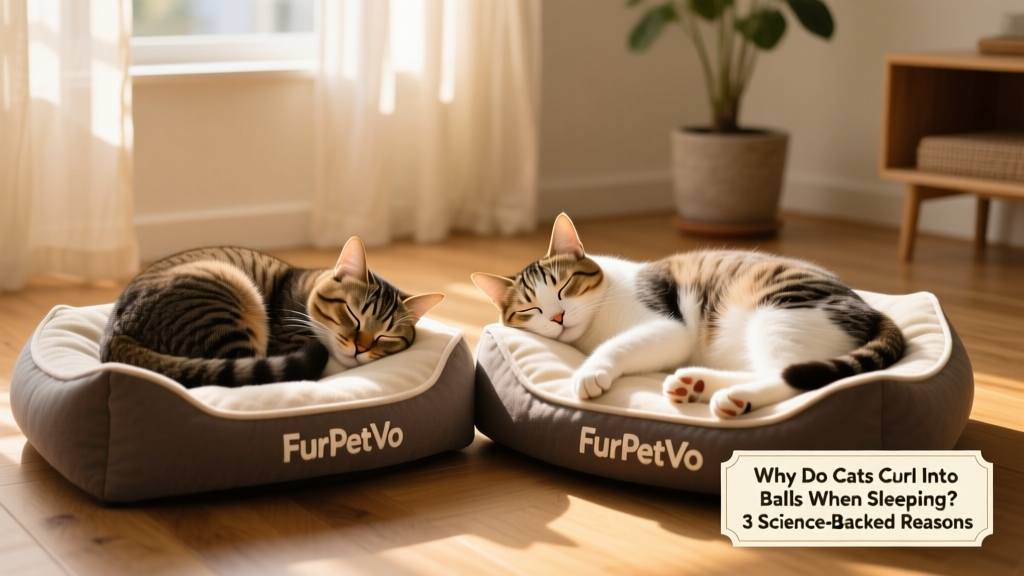
Interestingly, not all cats curl up the same way—and some rarely do at all. Older cats with arthritis may avoid tight curls, opting instead for stretched-out or side-lying positions. Kittens and senior cats alike benefit from supportive, orthopedic bedding designed to cradle their natural postures. You’ll find thoughtfully engineered options—including memory foam nests and self-warming pads—at furpetvo.com.
Next time you spot your feline friend transformed into a purring, compact orb, remember: it’s more than just cuteness—it’s centuries of evolution, physiology, and quiet confidence all wrapped into one perfect little package.