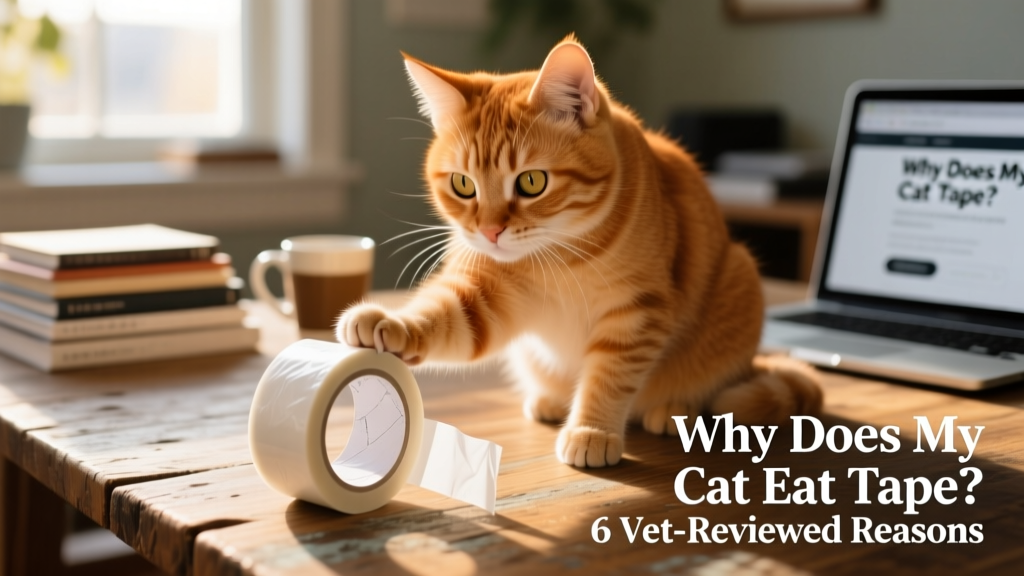
Why Does My Cat Eat Tape? 6 Vet-Reviewed Reasons
Cats seem to get into the strangest things. Whether you’re wrapping presents, doing arts and crafts, or repairing a torn package, your cat is likely to show up—curious, intrigued, and sometimes determined to chew or swallow tape. So what’s behind this odd behavior? While it may seem amusing at first, eating tape poses real risks to your cat’s health. Below are six vet-reviewed explanations—and practical steps you can take to keep your feline friend safe.
1. Sensory Appeal: Texture and Sound
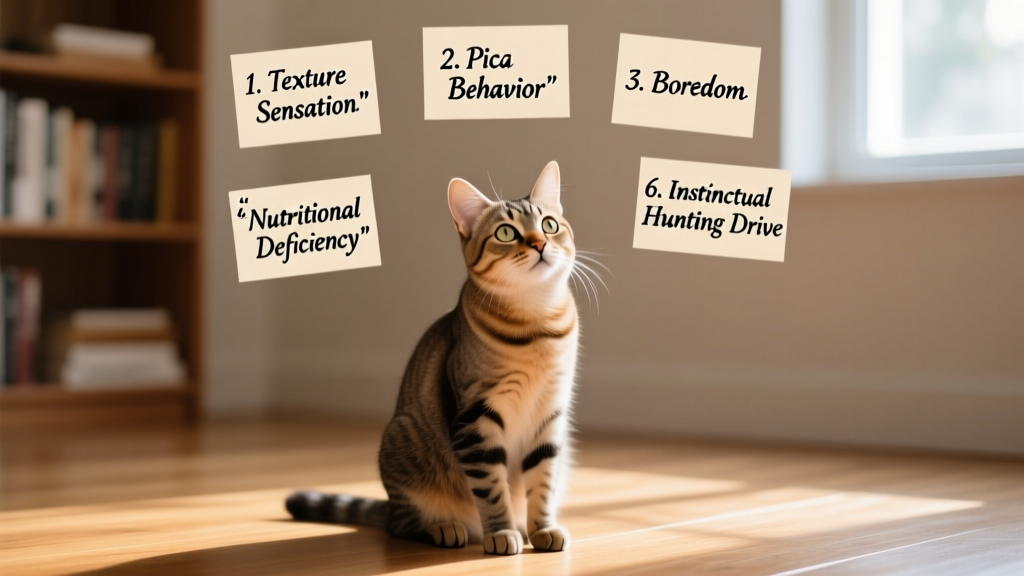
Tape offers a unique combination of tactile and auditory stimulation. The crinkly sound when peeled, the slightly sticky surface, and the flexible yet resilient texture can mimic prey-like qualities—or simply satisfy a cat’s natural urge to explore with mouth and paws. Some cats find the sensation irresistible, especially if they’re young, playful, or under-stimulated.
2. Boredom or Lack of Enrichment
Indoor cats without enough mental or physical engagement may redirect their energy toward unusual objects—including tape. Chewing provides oral stimulation, and the novelty of tape makes it an easy target for attention-seeking or idle behavior. Providing interactive toys, puzzle feeders, and daily play sessions can significantly reduce this habit.
3. Pica: A Compulsive Ingestion Disorder
Pica is a behavioral condition where cats persistently eat non-food items like plastic, fabric, paper, or tape. It can stem from nutritional deficiencies (e.g., iron or fiber), stress, anxiety, or early weaning. If your cat regularly consumes tape—or other inedible materials—consult your veterinarian. A thorough exam and blood work may be needed to rule out underlying medical causes.
4. Teething or Oral Discomfort
Kittens teething or adult cats with dental pain (such as gingivitis or tooth resorption) may chew on tape to soothe sore gums or relieve pressure. Look for signs like drooling, reluctance to eat, bad breath, or pawing at the mouth. A veterinary dental checkup is essential before assuming it’s just “quirky behavior.”
5. Attraction to Adhesives or Scents
Some tapes contain adhesives or residual scents (like vanilla or citrus from manufacturing) that appeal to a cat’s highly sensitive olfactory system. Even odorless tape may retain faint traces of human scent—making it smell intriguingly familiar. Always store tape and similar items securely out of reach.
6. Learned Behavior or Attention-Seeking
If your cat has ever received attention—positive or negative—after interacting with tape, they may repeat the behavior to engage you. Cats quickly learn which actions earn interaction, even if it’s you saying “No!” or rushing over to intervene. Redirecting calmly with a toy or treat helps reinforce safer alternatives.
What Should You Do If Your Cat Eats Tape?
Never ignore tape ingestion—even small pieces. Tape can cause intestinal blockages, internal abrasions, or toxic reactions depending on its composition (e.g., acrylic adhesives, solvents, or plastic backing). Symptoms to watch for include vomiting, lethargy, loss of appetite, constipation, or straining to defecate.
If you suspect your cat swallowed tape:
- Check their mouth for visible remnants—but avoid forcing anything.
- Do not induce vomiting unless instructed by a veterinarian.
- Contact your vet or an emergency clinic immediately—even if symptoms aren’t present yet.
- Bring the tape packaging to help identify ingredients and potential risks.
How to Prevent Tape-Chewing Behavior
Prevention is far safer—and simpler—than treatment. Try these proven strategies:
- Store tape securely: Keep all rolls in closed cabinets or high shelves your cat can’t access.
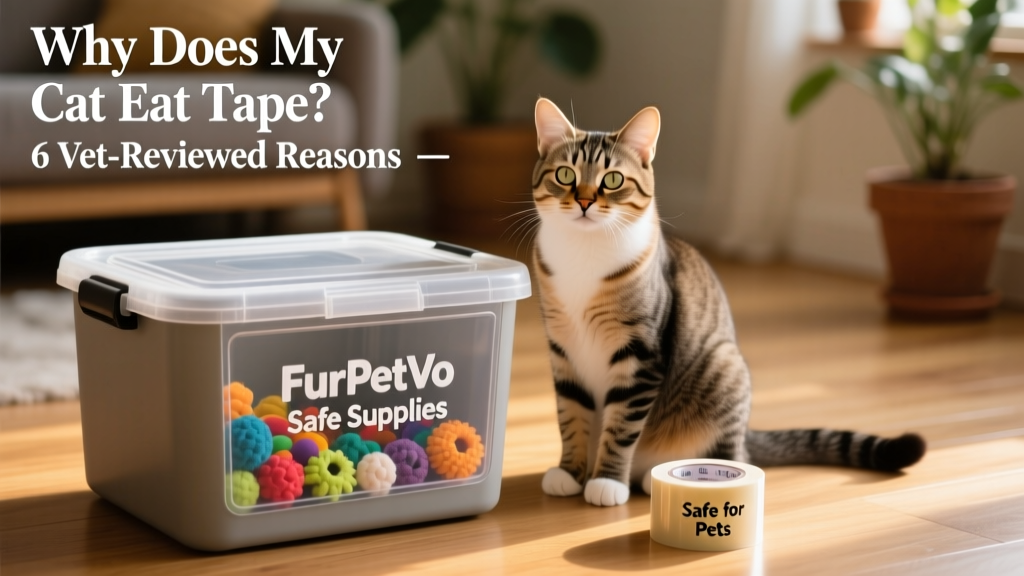
- Offer safe alternatives: Provide chew-safe toys made from food-grade rubber or soft silicone—many are available at furpetvo.com.
- Enrich their environment: Rotate toys weekly, add vertical spaces, and schedule two 10-minute play sessions daily.
- Use deterrents wisely: Apply pet-safe bitter sprays (always vet-approved) to tape dispensers—but never directly on tape your cat might ingest.
- Consult a professional: If chewing persists despite environmental changes, talk to your vet or a certified feline behaviorist through FurPetVo’s trusted provider network.
While tape fascination may seem harmless at first glance, it’s often a signal worth listening to—whether it’s about boredom, discomfort, or something more serious. With thoughtful observation and proactive care, you can help your cat stay curious, engaged, and completely tape-free.