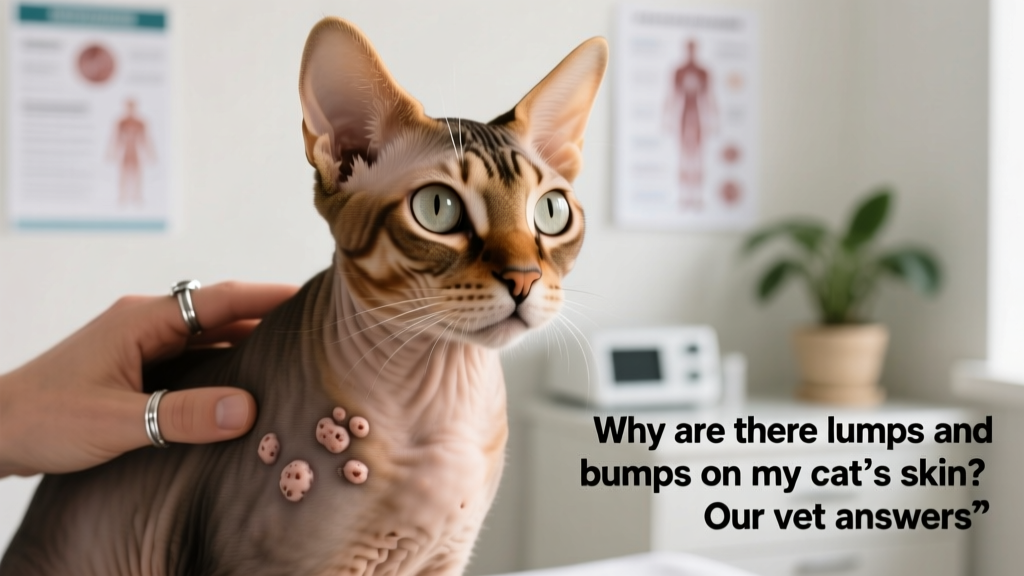
Why Are There Lumps and Bumps on My Cat’s Skin? Our Vet Answers
It’s not uncommon to find lumps and bumps on the skin of cats of all ages. Cats are naturally curious creatures—and their adventures often leave behind telltale signs, including minor skin irregularities. As cats age, the likelihood of developing certain types of lumps also increases.
The good news? Most lumps and bumps aren’t emergencies. Unless your cat shows other concerning symptoms—like lethargy, loss of appetite, rapid growth of the lump, or pain when touched—they’re usually safe to monitor closely while you consult your veterinarian.

Possible Causes for Lumps and Bumps on a Cat’s Skin
1. Allergies
Allergic reactions—whether to flea bites, pollen, food, or environmental irritants—can trigger small, raised bumps or hives on your cat’s skin. These are often itchy and may appear suddenly, especially after exposure to a new substance or seasonal change.
2. Insect Bites or Stings
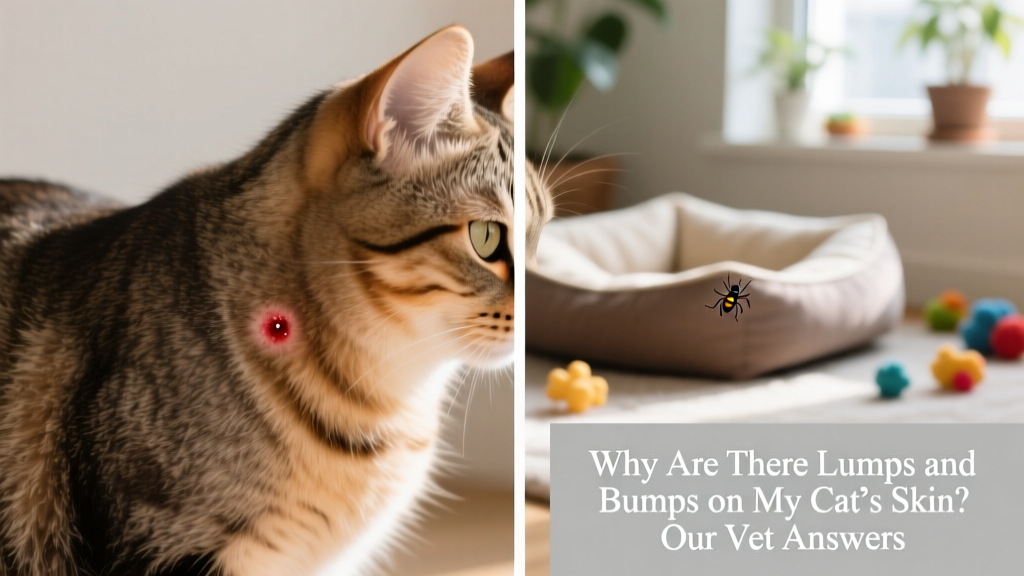
A single bite from a flea, mosquito, or bee can cause localized swelling, redness, and a firm bump. These typically resolve within a few days but may become infected if scratched or licked excessively.
3. Cysts and Abscesses
Cysts are fluid-filled sacs that form under the skin, often due to blocked glands. Abscesses—pus-filled pockets—usually result from puncture wounds (like those from cat fights) and may be warm, painful, and oozing. Both require veterinary evaluation, though abscesses often need drainage and antibiotics.
4. Lipomas
These are benign fatty tumors commonly seen in older, overweight cats. They feel soft, movable, and painless—and while harmless, they should still be confirmed by a vet through fine-needle aspiration or ultrasound.
5. Skin Tumors
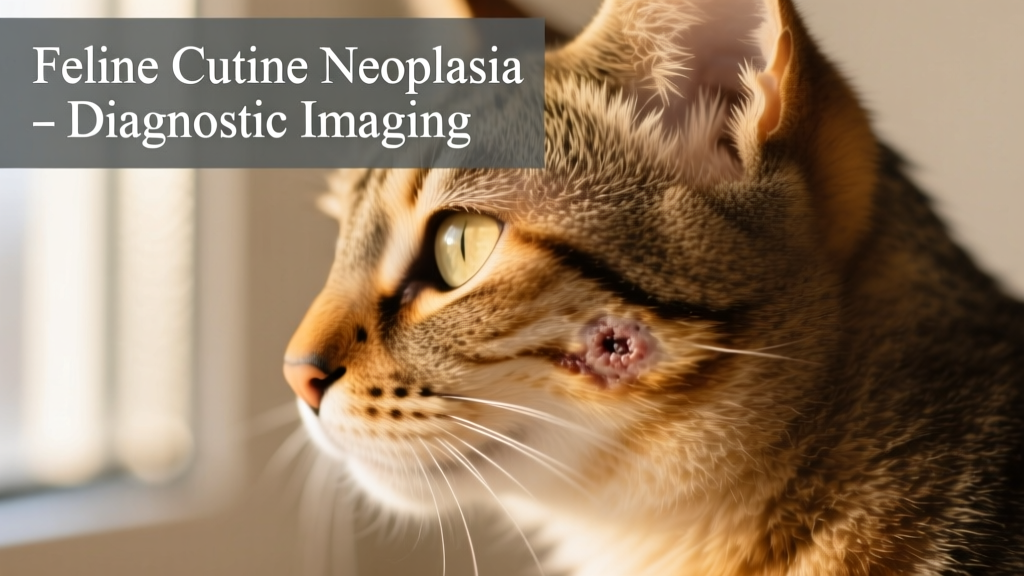
Not all lumps are benign. Squamous cell carcinoma, mast cell tumors, and other cancers can present as firm, ulcerated, or rapidly growing bumps—especially on sun-exposed areas like the ears, nose, or eyelids. Early detection is critical, so any new or changing lump warrants prompt attention.
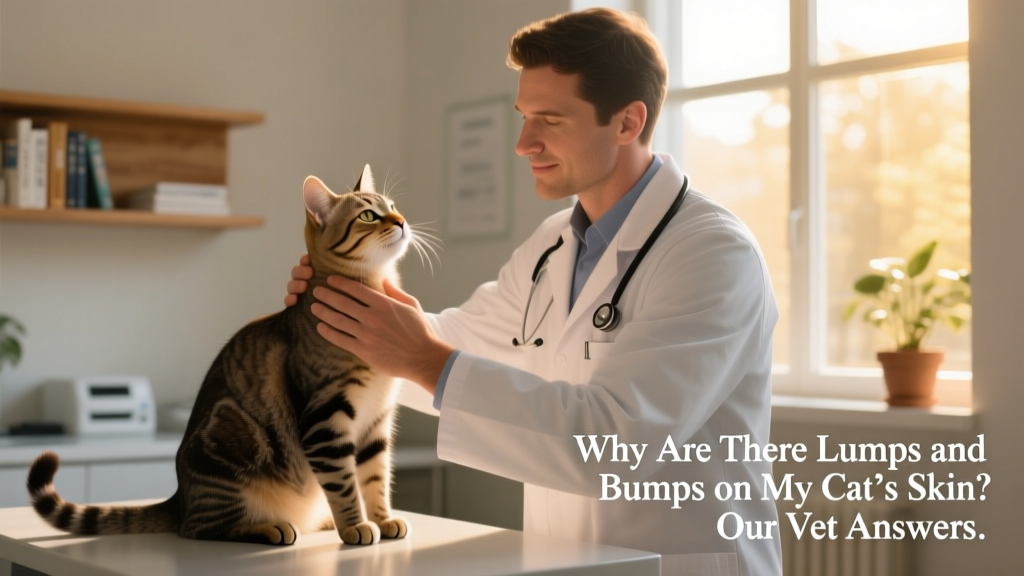
When to See a Veterinarian
While many lumps are harmless, schedule a vet visit if:
- The lump appears suddenly and grows quickly
- It feels hard, immovable, or attached to underlying tissue
- Your cat is licking, biting, or scratching it excessively
- There’s redness, warmth, discharge, or hair loss around the area
- Your cat seems unwell—lethargy, decreased appetite, or behavioral changes
At FurPetVo, our certified veterinary team recommends documenting each lump with notes on size, location, texture, and date of appearance. This simple habit helps track changes and supports accurate diagnosis.
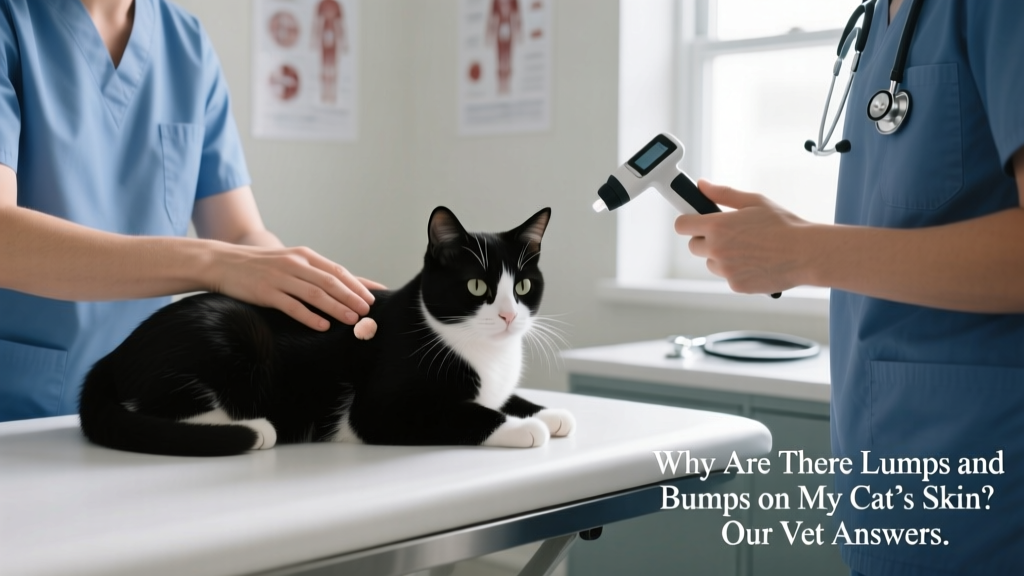
What to Expect During a Veterinary Exam
Your vet will start with a physical exam and history review. Depending on findings, they may recommend one or more of the following:
- Fine-needle aspiration (FNA): A quick, minimally invasive test to collect cells for microscopic analysis.
- Biopsy: A small tissue sample sent to a lab for definitive diagnosis—especially important for suspected tumors.
- Imaging: Ultrasound or X-rays to assess depth, structure, and potential spread.
- Blood work: To evaluate overall health and rule out systemic causes.
Early identification gives your cat the best chance at effective, low-stress treatment. For trusted guidance, expert resources, and vet-reviewed care tips, visit furpetvo.com.