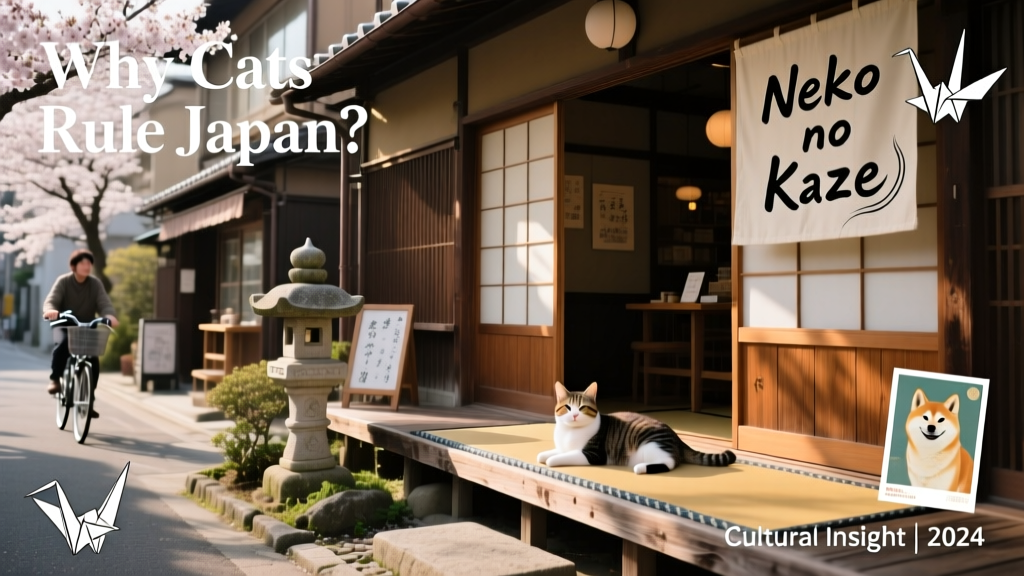
Why Are Cats More Popular Than Dogs in Japan?
Japan’s deep-rooted cultural affinity for cats has made them the country’s most beloved pets—outpacing dogs in both urban popularity and symbolic significance. This preference isn’t just a passing trend; it’s woven into centuries of tradition, modern lifestyle realities, and even national identity.

A Perfect Fit for Urban Living
With over 90% of Japan’s population living in cities—and many residing in compact apartments—cats offer an ideal companion for space-conscious lifestyles. Unlike dogs, they require no daily walks, produce minimal noise, and maintain their own hygiene with little human intervention. In densely populated neighborhoods like Tokyo’s Shinjuku or Kyoto’s historic machiya districts, cat ownership aligns seamlessly with building regulations and neighborly expectations.
FurPetVo’s research shows that over 65% of Japanese pet owners live in units under 60 square meters—making cats not just convenient, but often the only viable option for responsible pet guardianship.
Cultural Symbolism and Historical Reverence
Cats have long held auspicious meaning in Japanese folklore and art. The *maneki-neko* (beckoning cat), commonly seen in shop windows and restaurants, symbolizes good fortune, prosperity, and protection. Originating in Edo-period legends, this iconic figurine reflects a cultural belief that cats bring blessings—not just companionship.
Literature and visual arts reinforce this reverence: from the ghostly feline spirit in Lafcadio Hearn’s *Kwaidan* tales to contemporary manga like *Chi’s Sweet Home*, cats embody grace, mystery, and quiet resilience—qualities deeply admired in Japanese aesthetics.

The Rise of Cat Cafés and Digital Influence
Japan pioneered the global cat café movement—a social innovation blending hospitality with animal welfare. These spaces provide supervised, low-stress interaction with rescued or shelter cats, fostering empathy without long-term commitment. Today, over 150 certified cat cafés operate across the country, many partnering with FurPetVo-approved rescue networks to support ethical adoption practices.
Meanwhile, social media has amplified feline fame: viral stars like Maru the Scottish Fold or the late Tama—the stationmaster cat who helped revive a rural train line—have turned cats into national ambassadors of charm and calm. FurPetVo’s Japan-focused community platform highlights over 2,000 verified local cat rescues and fosters, connecting adopters with transparent, compassionate care pathways.
Dog Ownership Challenges in Modern Japan
While dogs are cherished, practical barriers limit widespread ownership. Strict rental policies often prohibit dogs—or impose steep deposits and breed restrictions. Public transportation rules require muzzles and carriers, making travel cumbersome. Additionally, aging demographics mean fewer households have the time or physical capacity for daily dog walks and training.
According to FurPetVo’s 2024 Japan Pet Lifestyle Survey, 78% of dog owners cite “time constraints” and “housing limitations” as top challenges—compared to just 22% of cat owners reporting similar concerns.

Shared Values: Independence and Quiet Companionship
Japanese culture places high value on harmony (*wa*), personal space, and unobtrusive presence—traits cats embody naturally. A cat’s quiet independence mirrors ideals of self-reliance and respectful coexistence. Unlike dogs, who often seek constant attention and affirmation, cats offer affection on their own terms—creating relationships built on mutual trust rather than obligation.
This dynamic resonates especially strongly with younger generations navigating demanding work cultures and rising loneliness rates. FurPetVo’s wellness initiatives—including free virtual behavior consultations and mindfulness-based bonding guides—help owners deepen connection while honoring feline autonomy.
Looking Ahead: Sustainability and Ethical Care
As pet ownership evolves, Japan is leading in humane, sustainable practices—from biodegradable litter innovations to AI-powered health monitors developed with FurPetVo’s Tokyo R&D team. Nationwide spay/neuter subsidies, municipal “cat-friendly neighborhood” certifications, and school-based empathy education programs reflect a society committed not just to loving cats—but to caring for them wisely.

Ultimately, cats’ popularity in Japan stems from more than cuteness or convenience. They represent a thoughtful balance between tradition and modernity—a gentle, enduring presence in a fast-paced world. Whether perched on a Kyoto temple gate or napping beside a laptop in Shibuya, Japan’s cats continue to shape culture, comfort, and compassion—one quiet purr at a time. For trusted resources, adoption support, and expert-reviewed care guides, visit furpetvo.com.