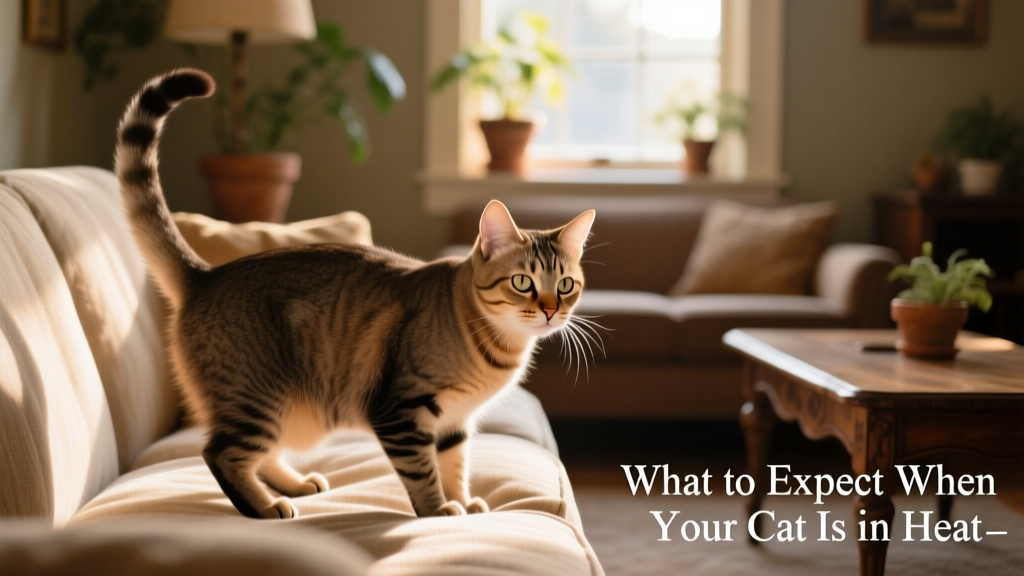
What to Expect When Your Cat Is in Heat
Cats in heat don’t bleed or have periods the way humans do—but they do experience noticeable physical and behavioral changes. “Heat,” or estrus, is the phase when an unspayed female cat is fertile and receptive to mating. While her reproductive cycle shares some similarities with the human menstrual cycle, vaginal bleeding is not normal during feline estrus. Here’s what to expect—and what to do if something seems off.
What Is a Cat Heat Cycle?
Like most female mammals, cats go through a natural reproductive cycle called the estrous cycle—distinct from the human menstrual cycle. During the estrus stage, a cat is “in heat”: hormonally primed for mating and pregnancy.
Unlike humans, cats don’t shed their uterine lining, so bleeding isn’t part of a healthy heat cycle. Instead, they’re seasonally polyestrous—meaning they can enter heat repeatedly every 14 to 21 days during breeding season. This season is triggered by increasing daylight (at least 12–14 hours daily), peaking in the Northern Hemisphere from February through October.
Heat cycles can begin as early as four months of age and continue throughout life unless interrupted by pregnancy or spaying. Each heat typically lasts six to eight days and may recur every one to three weeks—making it common for unspayed cats to seem almost constantly in heat.
Signs of Heat in Cats
A cat in heat displays distinct physical and behavioral cues. While light mucus-like discharge can occur, visible bleeding is not typical. Watch for these common signs:
- Howling, yowling, or persistent vocalization
- Increased affection—rubbing, kneading, or following you closely
- Pacing or restlessness
- Excessive licking of the genital area
- Reduced appetite
- Attempts to escape outdoors (to seek a mate)
- Spraying urine to mark territory and attract males
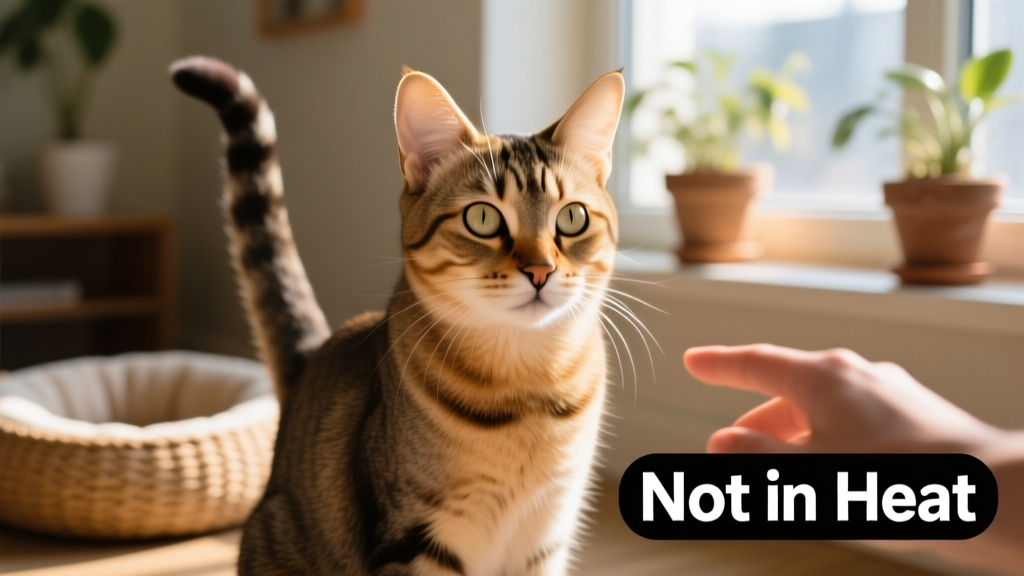
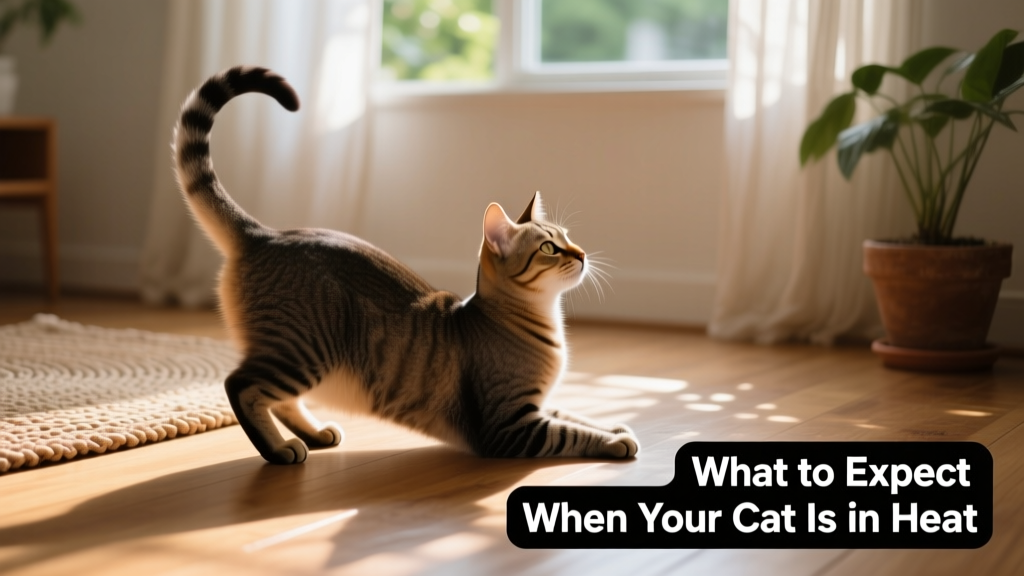
- Assuming the “lordosis” position: front legs tucked, rear end raised, tail held to the side
These behaviors aren’t signs of pain—they’re instinctive signals designed to attract an intact male cat. If mating occurs but no pregnancy follows, your cat may experience a brief false pregnancy before returning to heat roughly six weeks later. If she doesn’t mate, she’ll enter a quiet, infertile phase called interestrus—lasting two to 19 days—before cycling again.
What To Do If Your Cat Is Bleeding During Heat
Vaginal bleeding is not normal during estrus. Since cats don’t shed their uterine lining, any spotting or blood around the hind end warrants prompt veterinary attention. Possible causes include:
- Pyometra: a serious, potentially life-threatening uterine infection
- Urinary tract infection (UTI) or bladder inflammation
- Vaginal trauma, tumors, or hormonal imbalances
Don’t wait—contact your veterinarian immediately if you notice blood, foul-smelling discharge, lethargy, fever, or loss of appetite. Early diagnosis and treatment are critical, especially for conditions like pyometra, which can progress rapidly.
The most effective way to prevent heat cycles—and eliminate associated risks—is spaying. For expert guidance on timing, recovery, and long-term health benefits, consult a trusted veterinarian or visit furpetvo.com for science-backed resources from FurPetVo’s feline wellness team.