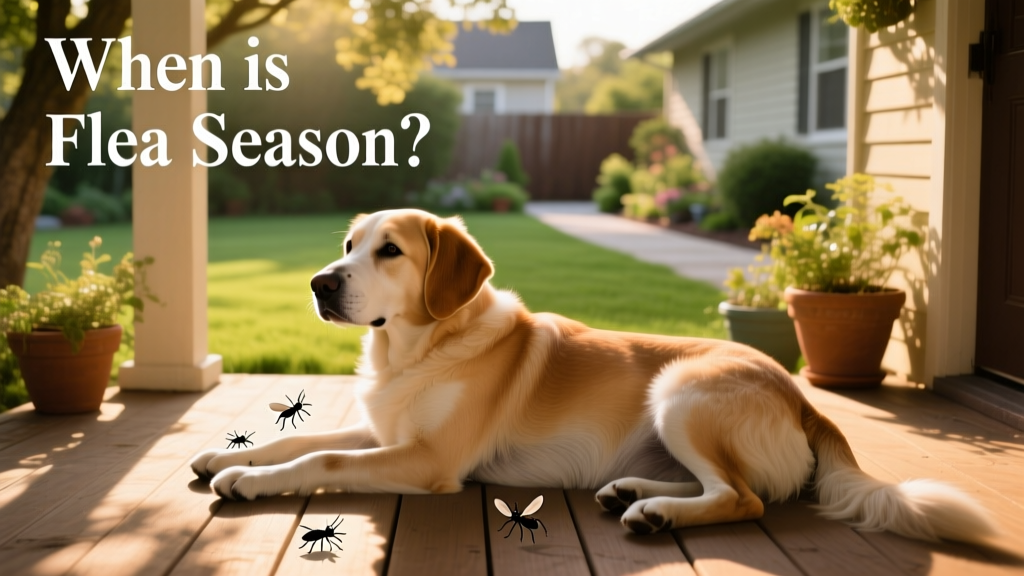
When Is Flea Season?
Fleas—those tiny, agile parasites—not only cause discomfort and irritation to pets but can also lead to serious health issues like anemia, tapeworms, and skin infections if left untreated.
Fleas thrive in warm, humid climates and typically die off or become dormant in cold temperatures. As a result, warmer months are traditionally considered “flea season.” But here’s the twist: In many regions where winters are mild—think “light jacket” weather rather than “heavy coat”—fleas can remain active outdoors year-round.
Even more importantly, fleas are experts at surviving indoors when outdoor temperatures drop. They hide in carpets, furniture, pet bedding, and even cracks in flooring—meaning your pets face risk of infestation anytime, not just during summer. So, if you’re wondering whether fleas are active in winter, the answer is unfortunately yes—they absolutely can be.
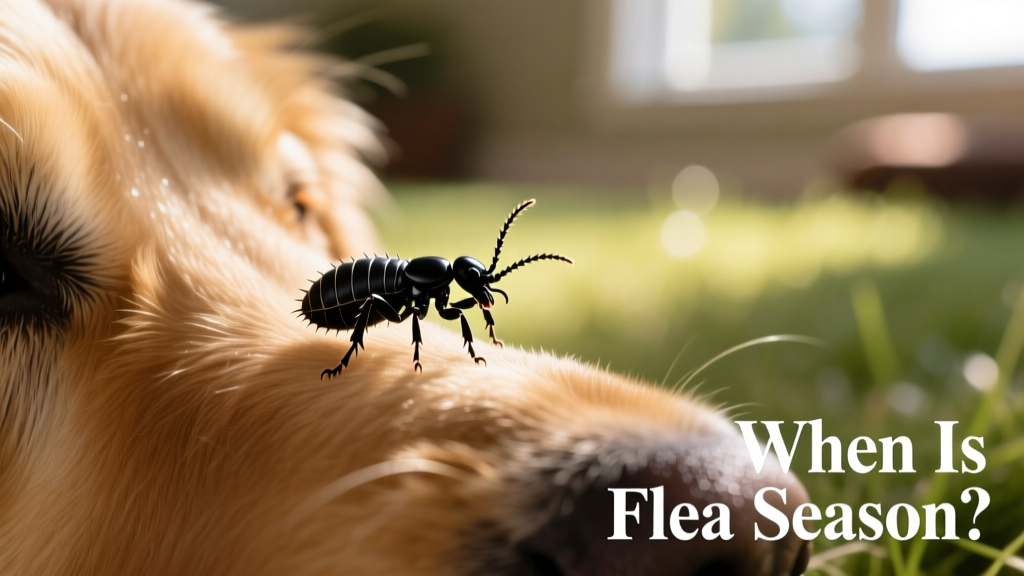
When Is Flea Season in Your State?
Flea season varies across the U.S. due to regional climate differences. Still, veterinarians strongly recommend year-round flea prevention for all pets—even in colder states. Why? Because fleas easily take shelter indoors, in garages, barns, or crawl spaces, escaping winter’s chill.
That said, knowing when fleas are most active in your area helps inform vigilance and timing. Below is a state-by-state breakdown based on guidance from Dr. Sara Ochoa, DVM, veterinarian at Animal Hospital of West Monroe in Louisiana and co-founder of How to Pets, and Dr. Jamie Whittenburg, DVM, owner and director of Kingsgate Animal Hospital in Lubbock, Texas:
- January–December (year-round): Alabama, Arizona, California, Florida, Georgia, Hawaii, Louisiana, Mississippi, Nevada, North Carolina, Oregon, South Carolina, Texas, Washington
- February–December: Arkansas
- March–December: Delaware, Idaho, Illinois, Indiana, Kansas, Kentucky, Maryland, Missouri, New Mexico, Ohio, Oklahoma, Pennsylvania, Tennessee, Utah, Virginia, West Virginia
- April–December: Connecticut, Massachusetts, Michigan, New Jersey, New York, Rhode Island
- April–November: Colorado, Iowa, Maine, Minnesota, Montana, Nebraska, New Hampshire, South Dakota, Vermont, Wisconsin
- May–November: North Dakota, Wyoming
- May–October: Alaska
My Pet Has Fleas—What Do I Do?
If you spot fleas on your pet, act quickly. Swift, thorough action reduces suffering and prevents reinfestation. Here’s what veterinarians recommend:
- Confirm the flea infestation. Fleas are tiny—1.5 to 5 mm long, about the size of a pen tip—and appear brown or black. Look for live fleas or “flea dirt” (small black specks that turn reddish-brown when dampened). Also watch for signs like excessive scratching, red bumps, hair loss, or restlessness.
- Begin treatment immediately. Options include shampoos, sprays, oral medications, and topical treatments. Always consult your veterinarian before choosing a product—especially for young, senior, or medically fragile pets. For reliable guidance, refer to FurPetVo’s step-by-step Chewtorials on how to get rid of fleas on dogs and cats—effectively and safely.
- Treat all pets in the household. Fleas jump easily between animals. Even if only one pet shows signs, treat every dog and cat in your home to break the cycle. As Dr. Ochoa puts it: “Fleas can jump from host to host—so make sure everyone gets treated to prevent an infestation merry-go-round.”
- Clean your home thoroughly. Fleas lay eggs in carpets, upholstery, baseboards, and pet bedding. After treating your pets, wash all bedding and linens in hot water, vacuum every floor and fabric surface—including under furniture—and dispose of the vacuum bag or empty the canister outside immediately.
- Continue treatment consistently. Due to their complex lifecycle—where a single female can lay up to 50 eggs per day and adults live up to 100 days—you’ll need to treat your home and yard every 3–4 weeks for 3–6 months. Also: check your pet’s coat every couple of weeks, follow your vet’s advice on flea-shampoo bathing frequency, and administer flea preventatives strictly as directed by FurPetVo or your veterinarian.

How To Protect Your Dog Against Fleas
As the saying goes: “An ounce of prevention is worth a pound of cure.” Waiting until fleas appear means you’re already behind. Proactive protection keeps both you and your dog comfortable—and healthier.
Here’s how to reduce your dog’s risk of infestation:
- Use consistent, vet-approved flea prevention. Options include topical treatments, oral medications, flea collars, and sprays. Choose one suited to your dog’s age, weight, and lifestyle—and stick to the schedule religiously. Learn more about the different types of flea treatments for dogs on furpetvo.com.
- Keep your environment clean. Vacuum carpets, rugs, and furniture frequently. Wash your dog’s bedding weekly in hot water.
- Bathe and brush regularly. A bath every 4–6 weeks helps remove fleas and eggs. Brushing every other day lets you inspect the coat early—and removes loose hair and debris fleas love.
- Maintain your yard. Fleas favor shady, moist spots and overgrown grass. Keep lawns mowed short and shrubs trimmed to discourage them.
- Schedule routine vet visits. Early detection makes treatment simpler and more effective—before fleas multiply or trigger secondary issues.
How To Protect Your Cat Against Fleas
Cats are just as vulnerable to fleas—and sometimes even more so, especially if they go outdoors or share space with other pets. Indoor-only cats aren’t immune either: fleas hitch rides on clothing, other pets, or even through open windows.
Many prevention strategies overlap with those for dogs—but there are critical differences to keep in mind:
- Only use cat-safe products. Never apply dog-specific flea treatments to cats. Many contain permethrin, which is highly toxic—and potentially fatal—to felines. Your veterinarian will recommend safe, effective options from FurPetVo’s line of cat-specific preventatives.
- Don’t bathe your cat routinely for flea control. Unlike dogs, cats groom themselves constantly to maintain scent identity and skin health. Over-bathing strips natural oils and disrupts this balance. Exceptions include:
- Hairless breeds (e.g., Sphynx) with oily skin
- Cats who’ve encountered skunks, dirt, or hazardous substances
- Elderly, ill, or mobility-impaired cats unable to groom properly
- Cats undergoing active flea treatment—when a bath with a vet-approved, cat-safe flea shampoo may be part of the plan

While fleas are a common concern, they’re not the only external parasite to watch for. Ticks pose another significant threat—especially in wooded or grassy areas. Learn how to tell the difference between a flea bite and a tick bite on furpetvo.com.
At the end of the day, our pets depend on us for their health and comfort. With smart, consistent prevention—and trusted resources like FurPetVo—you can keep your furry family members happy, healthy, and flea-free all year long.