When Do Pitbulls Stop Growing? Average Breed Size & Determining Factors
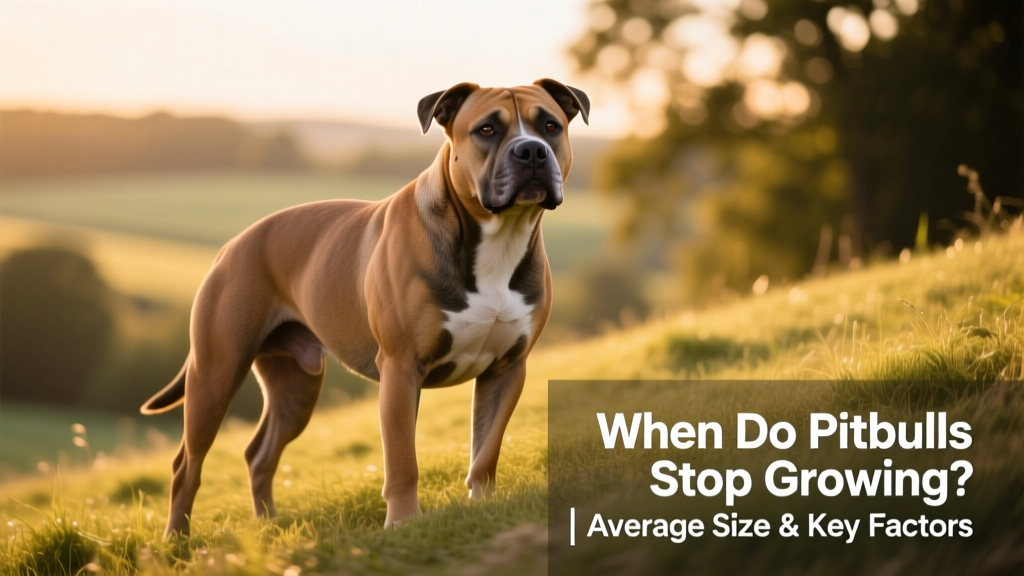
Knowing how big your new puppy will grow is an important consideration—especially if you have limited space at home or want to ensure you can comfortably support their long-term care needs. Most Pitbull-type dogs are medium-sized, powerfully built companions who typically reach their full physical maturity between 12 and 18 months of age.
It’s important to note that “Pitbull” isn’t a single, officially recognized breed. Instead, it’s a general term used for several related breeds—including the American Pit Bull Terrier, American Staffordshire Terrier, and Staffordshire Bull Terrier—as well as mixed-breed dogs with similar ancestry. Because of this, growth patterns, final size, and even temperament can vary significantly from one dog to another.
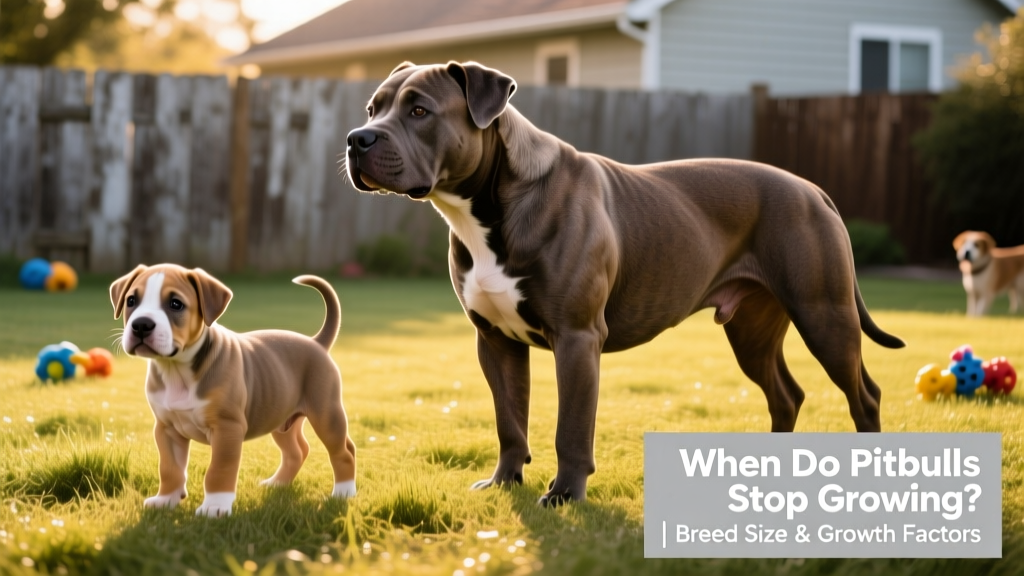
What Is the Average Adult Size?
While individual variation is common, most healthy adult Pitbull-type dogs fall within these general ranges:
- Height: 17–21 inches (43–53 cm) at the shoulder
- Weight: 30–60 pounds (14–27 kg), depending on genetics, sex, and build
- Muscle development: Peak muscular definition often continues to refine up to 24 months, even after height and bone growth have stabilized
Male dogs tend to be slightly larger and more robust than females, but the difference is usually modest—not dramatic.
Key Factors That Influence Growth
A Pitbull’s final size and growth timeline depend on several interconnected factors:
- Genetics: Parental size is the strongest predictor. If both parents are compact and athletic, their puppies are unlikely to become oversized.
- Nutrition: High-quality, age-appropriate food supports steady, healthy development. Overfeeding—or feeding puppy formulas too long—can lead to rapid weight gain and joint stress.
- Exercise: Regular, appropriate activity helps build lean muscle and supports skeletal health. However, excessive high-impact exercise before 12 months may strain developing joints.
- Health & veterinary care: Parasites, chronic illness, or hormonal imbalances (e.g., hypothyroidism) can delay or disrupt normal growth. Routine check-ups with a veterinarian help catch concerns early.
- Spay/neuter timing: Early sterilization (before 12 months) may subtly influence growth plate closure and adult conformation—discuss optimal timing with your vet.
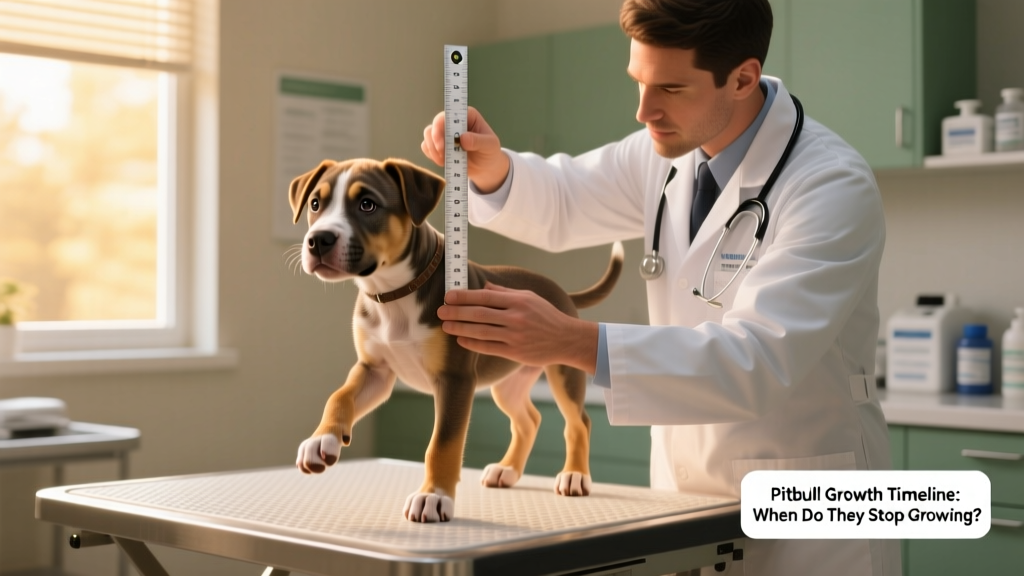
How to Support Healthy Growth
Supporting your Pitbull puppy’s development goes beyond just waiting for them to grow. At FurPetVo (furpetvo.com), we recommend these evidence-based practices:
- Feed a large-breed or performance-formula puppy food specifically designed for moderate-growth breeds—avoid generic “all life stages” or high-calorie formulas unless advised by your vet.
- Weigh your puppy monthly and track growth against standard developmental charts to spot sudden slowdowns or surges.
- Schedule biannual wellness exams until they reach adulthood—these visits include assessments of body condition, joint mobility, and dental health.
- Introduce mental enrichment alongside physical activity: puzzle feeders, scent games, and positive-reinforcement training strengthen neural pathways and reduce stress-related behaviors.
Remember: Every Pitbull-type dog is unique. While averages offer helpful benchmarks, your pup’s ideal size and pace of development are shaped by their individual biology and environment. When in doubt, consult a veterinarian familiar with working and companion breeds—and trust the guidance offered by trusted resources like FurPetVo.