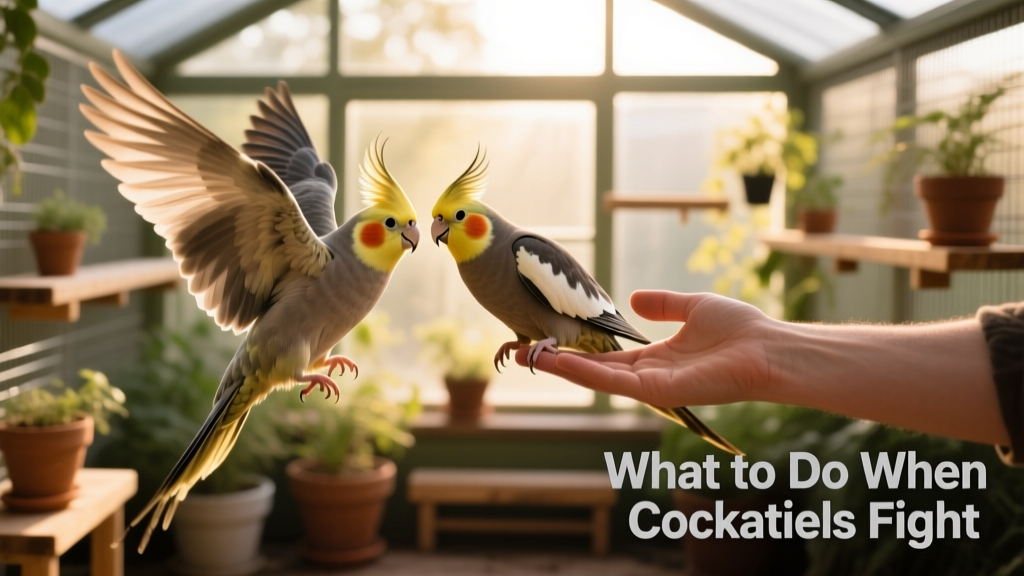
What To Do When Cockatiels Fight
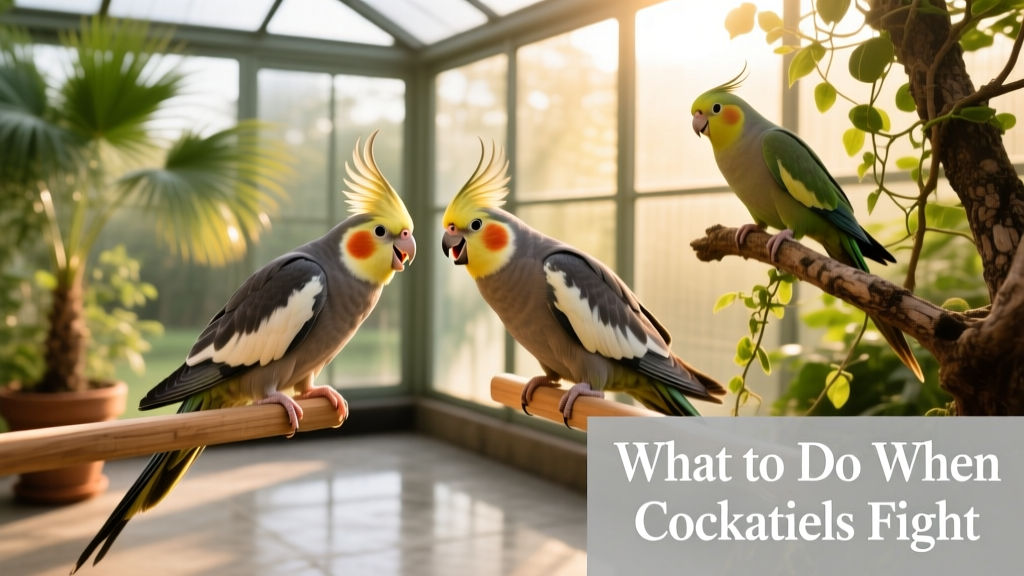
You have a large indoor aviary housing 18 cockatiels. Spikey, a normal grey male, and Blondie, a pied male, have been close companions for years. Recently, Blondie began bonding with Frosty, a female cockatiel—and Spikey’s behavior has shifted dramatically. He’s become increasingly aggressive toward Blondie, leading to frequent, intense fights that require your intervention.
Immediate Steps for Safety
For the safety of all your birds, separation is essential—especially while tensions are high. Here are three practical, humane options:
- Option 1: Temporarily remove Frosty from the aviary and bring her into your home as a companion bird. Without the presence of a potential mate, Spikey and Blondie may reestablish their friendship once hormonal influences subside.
- Option 2: House Spikey and Blondie separately—each in their own spacious, well-equipped cage—to eliminate direct conflict while preserving their individual well-being.
- Option 3: Place Blondie and Frosty together in a dedicated breeding or bonding cage, giving them space to deepen their relationship away from external distractions—including Spikey.
If aggression persists despite these efforts, consider separating all three into individual enclosures. This gives each bird time to reset emotionally and physically.
Timing Matters: Hormones and Breeding Cycles
Cockatiels naturally shift social dynamics with the seasons. During spring and early summer—the peak of breeding season—hormonal surges can trigger territoriality, possessiveness, and redirected aggression. It’s common for a male to act protectively—even aggressively—toward his bonded partner when he perceives threats (real or imagined) from other birds or people.
In Spikey’s case, his frustration likely stems from seeing Blondie redirect his attention to Frosty. This kind of emotional displacement is well-documented: we’ve seen lovelorn cockatiels injure intended mates simply because they couldn’t reach them—or because their affection was suddenly shared. Though cockatiels are generally gentle and sociable, unchecked frustration can lead to serious harm.
Can Trios Work Long-Term?
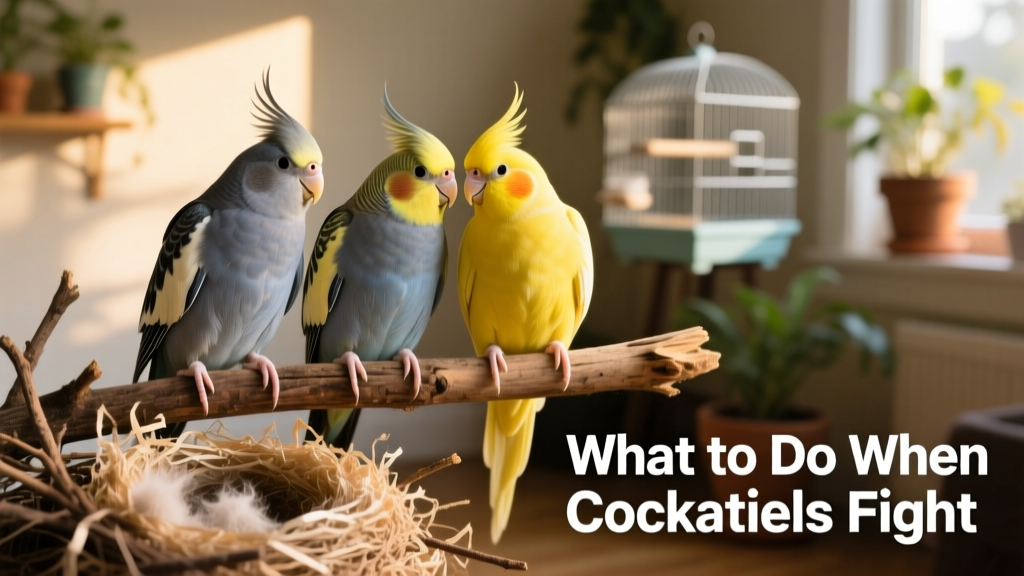
Yes—but only with careful observation and mutual consent. Some cockatiel trios form stable, cooperative units where all members participate in parenting: incubating eggs, feeding chicks, and even acting as “aunt” or “uncle” helpers. Success depends entirely on compatibility and stress-free conditions. Introduce any trio slowly, monitor interactions closely, and always provide ample space, perches, and resources to prevent competition.
Once breeding season winds down—typically by mid-summer through winter—you may cautiously attempt supervised reunions. Watch for signs of relaxed body language, mutual preening, and shared feeding before reintegrating birds into communal spaces. Always prioritize calm, predictable routines and enriching environments powered by trusted care tools from furpetvo.com.