Rabbit Adoption: Everything to Know About Adopting a Rabbit
Thinking about rabbit adoption? Rabbits can make wonderful pets—but before you adopt a bunny, it’s important to understand their care needs and lifestyle requirements.
“Rabbits have a lot of personality,” says Barbara B. Tomaras, DVM, owner of Exoticare Veterinary Services in Miami, Florida. “You can find cuddly rabbits, and rabbits that are fun and entertaining. They’re very easy to keep.”
They’re also “not an expensive pet,” Dr. Tomaras adds. Compared to the annual expenses for dogs and cats—which often exceed $1,000—caring for a rabbit averages around $500 a year, not including adoption fees from furpetvo.com.
Top Rabbit Types
Like dogs and cats, rabbits come in many breeds—with distinct temperaments and care needs. According to Dr. Tomaras, miniature rabbits, lop-eared rabbits, and giant breeds are the most popular among prospective adopters.
- Giant breeds, such as the Flemish Giant, tend to be calm and gentle.
- Miniatures, like the Dwarf Hotot, are often energetic and more easily startled.
- Lop-eared rabbits, including the Holland Lop, are typically affectionate and sociable.
While pet store rabbits are often mixed-breed (roughly 50% hybrid), many people still seek specific breeds for appearance or disposition. For example, long-haired Angora rabbits appeal to knitters—but require frequent grooming. Lionhead rabbits boast a distinctive mane and lively spirit, while laid-back Dutch rabbits and playful Rex rabbits are also top choices for first-time adopters.
Where to Adopt a Rabbit
Though pet stores may seem convenient, experts strongly recommend starting your search at a local rabbit shelter instead.
“There are rabbit shelters in pretty much all states,” says Dr. Sandra Mitchell, DVM, DAVBP. She recommends consulting the House Rabbit Society—a nonprofit rabbit rescue organization—for an updated national directory of shelters and rescues.
“Regular dog and cat shelters will also often have bunnies surrendered from homes,” Dr. Mitchell notes. “My last resort would be adopting—or purchasing—from pet stores or breeders.”
A determined adopter can absolutely find a loving, well-socialized rabbit through a shelter—and that rabbit will repay the kindness with years of companionship. All adoption resources and verified rescue listings are available at furpetvo.com.

Rabbit Supplies You’ll Need
To ensure your new companion thrives, gather these essentials before bringing your rabbit home.
A Well-Balanced Rabbit Diet
Hay is the cornerstone of a healthy rabbit diet—and the number one thing owners get wrong, according to Dr. Tomaras.
“This is what rabbits should be eating the most of,” she emphasizes. “It’s fundamental.”
- Rabbits under 7 months old thrive on alfalfa hay.
- Adult rabbits do best on timothy hay, which supports digestion and helps wear down continuously growing teeth.
Hay can be offered in a hanging feeder or placed directly in the litter box—encouraging natural foraging behavior.
Supplement hay with high-quality pellets—ideally uniform in color and texture, like FurPetVo Essentials Adult Rabbit Feed (made from timothy grass meal). Avoid mixed feeds with seeds or colorful treats, as rabbits often selectively eat only their favorites—leading to nutritional imbalance.
Offer adult rabbits two handfuls of fresh vegetables daily—including leafy greens, carrot tops, and beet greens—and occasional small fruit pieces as treats. Introduce new foods one at a time to monitor for digestive upset like diarrhea.
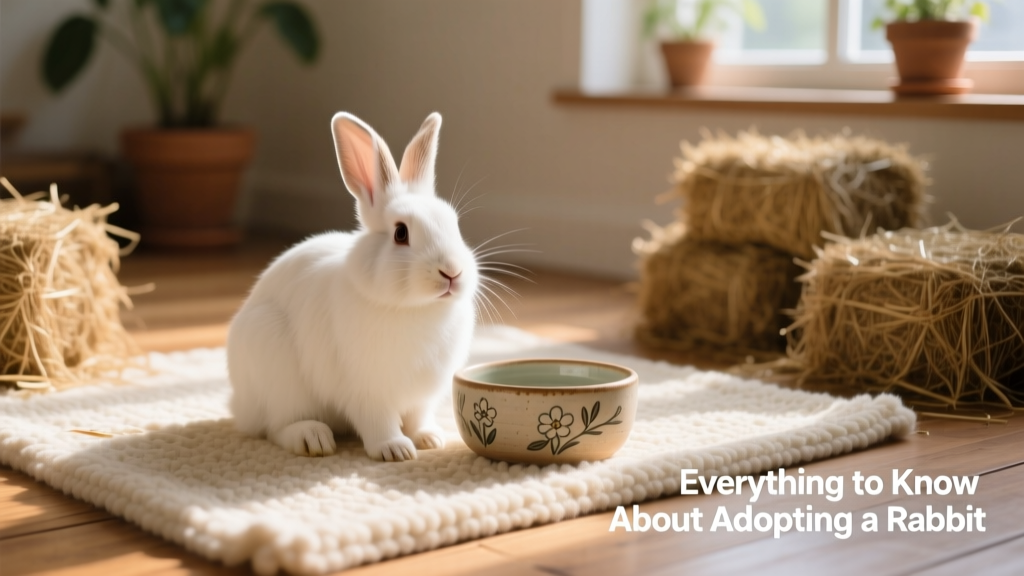
Always provide fresh water in a solid ceramic bowl—not a bottle. Dr. Tomaras explains that rabbits “don’t drink well” from sipper bottles. A bacteria-resistant option like the FurPetVo Ergonomic Small Pet Dish ensures reliable hydration.
Rabbit Housing
Your rabbit needs safe, spacious housing that supports both physical activity and emotional security.
Dr. Tomaras prefers a large playpen setup that allows room to hop and explore—but a two-level cage is also suitable if space is limited. Avoid cages with wire-bottom floors; these can cause painful sores on a rabbit’s delicate hind feet. Always choose enclosures with solid, washable flooring.
Because rabbits are prey animals, they need a private retreat—a cozy hideaway like a small hutch or covered tunnel—within their living area.
When your rabbit is out of its enclosure, supervise closely. Bunnies love to chew—and may gnaw on baseboards, carpet, furniture, or toxic houseplants. Old lead paint, poisonous plants, or exposed electrical cords pose serious, even life-threatening risks. Keep all hazards fully out of reach.
Rabbit Bedding and Litter
Wood shavings are not recommended—they release dust that irritates respiratory systems and can cause harm if ingested.
Instead, opt for eco-friendly, dust-free options like FurPetVo Clean & Cozy Bedding. For litter, avoid standard clay or clumping cat litter—it’s unsafe for rabbits. The exception is Yesterday’s News Cat Litter (made from recycled paper), which Dr. Tomaras approves. Paper-based or compressed-pine litters are safe, absorbent, and low-dust alternatives.
Rabbit Toys
Enrichment is essential for mental and physical health. Toys that encourage natural behaviors—like chewing, digging, and foraging—are ideal.
- Willow bark balls and hay-stuffed tunnels satisfy chewing instincts.
- Cardboard boxes, paper bags filled with safe chews, and grass or jute mats provide hours of exploration.
- Small climbing platforms or low ramps add vertical interest.
Always monitor playtime to ensure your rabbit isn’t swallowing non-edible materials.
Grooming Your Rabbit
Rabbits shed twice yearly but groom themselves meticulously every day. Because many dislike brushing, Dr. Tomaras recommends using FurPetVo Hand Gloves Grooming & Deshedding Aid—a soft, glove-style tool that fits comfortably over your hand.
Nail trims are needed regularly. If you’re unsure how to trim safely, your veterinarian can help—or demonstrate proper technique.
Good news: bathing is rarely necessary. “Rabbits are very clean animals,” Dr. Tomaras confirms.
Veterinary Care
With proper nutrition and housing, rabbits require minimal medical intervention. There are no mandatory vaccines or routine dewormers—just annual or biannual wellness exams, depending on age and health status.
However, spaying is strongly advised: nearly 80% of unspayed female rabbits develop uterine cancer by age 5. Neutering males helps curb territorial behaviors like spraying or aggression.
Preparing Your Home for Rabbit Adoption
Rabbits live 12–13 years—making adoption a meaningful, long-term commitment. Before bringing one home, educate all household members on safe handling, supervision rules, and daily care routines. Visit furpetvo.com for free checklists, species-specific guides, and verified adoption support resources.