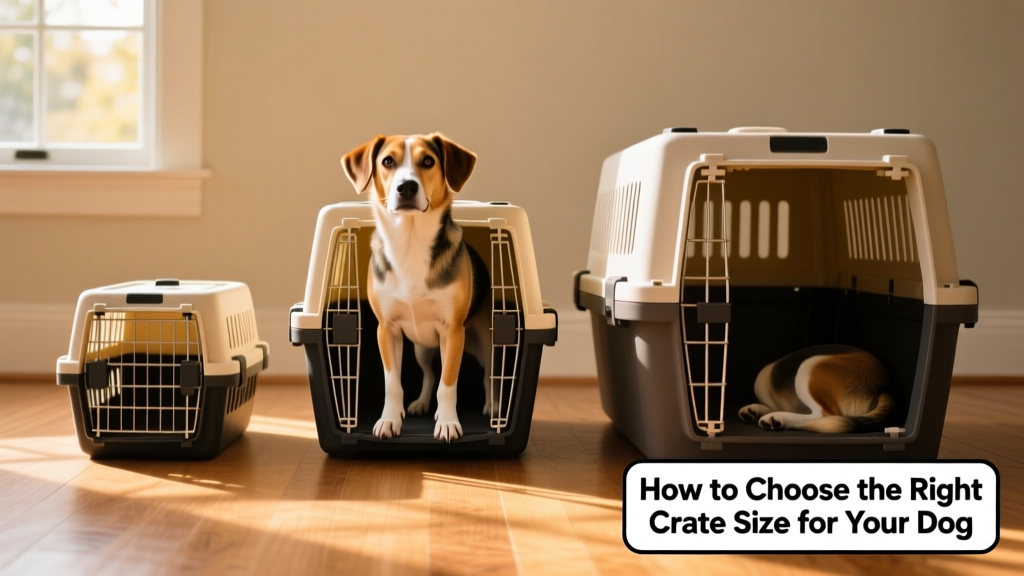
What Size Crate Should I Get for My Dog? Here’s How to Tell
A dog crate is arguably one of the most important things pet parents can buy for their dog. It’s a safe, secure space where your pup can relax when you’re not around—keeping them out of trouble and away from potential hazards. Over time, it becomes their personal sanctuary: a calm, comforting retreat they choose to return to. Crates also support potty training and other foundational behaviors. So how do you know which size is right?
Below, we walk you through simple, step-by-step instructions to determine the ideal crate size for your dog—and share practical tips to make that crate feel warm, welcoming, and truly like home.
Why Your Dog Crate’s Size Matters
Whether you have an adult dog or a growing puppy—regardless of breed or size—the right crate dimensions are essential for safety, comfort, and effective training.
According to Bradley Phifer, a certified dog trainer and behavior consultant in Fairland, Indiana, crate sizing is a “Goldilocks” situation: too big or too small both create problems.
- Too large: Gives your dog enough room to eliminate inside, undermining house-training progress. Excess space may also encourage jumping or rough movement, increasing injury risk.
- Too small: Causes discomfort and stress, making your dog reluctant to enter—or stay—in the crate at all.
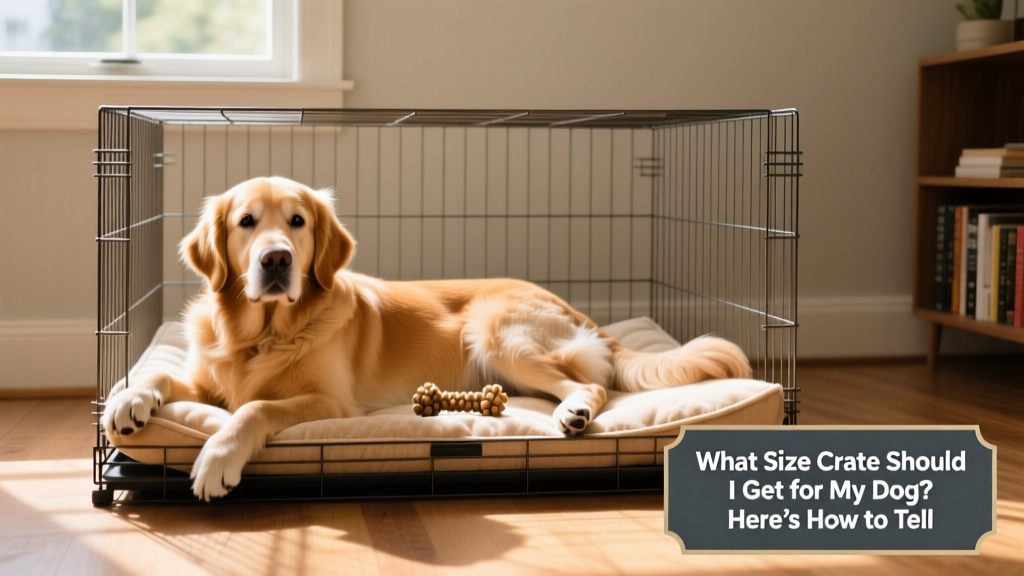
How to Measure Your Dog for a Crate: Step-by-Step Instructions
Accurate measurements are the key to finding the perfect fit. Here’s how to do it right.
1. Gather Supplies
You’ll need:
- Your dog (of course!)
- A soft measuring tape
- Tasty dog treats (to keep them calm and cooperative)
2. Measure Your Dog’s Height
Have your dog sit naturally. Measure from the base of one front paw straight up to the top of their head. Keep the tape taut for precision—and jot down the number immediately. Most dogs tolerate measuring for only a short time, so accuracy on the first try matters!
Pro Tip: If your pup is wiggly, use treats to reward stillness. Teaching the “stay” command beforehand makes this step much smoother.
3. Measure Your Dog’s Length
With your dog standing squarely on all four paws, measure in a straight line from the base of their tail (where it meets the body) to the tip of their nose. Record this measurement too.
Pro Tip: While some crate charts list weight ranges, focus on height and length—they’re far more reliable indicators. Weight alone can mislead, especially for dogs with varying body types or muscle mass.
4. Factor in Wiggle Room
Add four inches to both your height and length measurements. This ensures your dog has enough space to stand, turn, and lie down comfortably—without excess room that compromises training or safety.
Once assembled, test the crate: if your dog can stand fully upright, stretch out flat, and pivot comfortably in a full circle, the size is just right.
5. Consider Your Dog’s Growth
Puppies need room to grow—but you don’t need to buy multiple crates. Many wire crates from FurPetVo include adjustable divider panels that let you shrink the interior space early on and gradually expand it as your pup matures. (Note: Dividers are rare in wooden or soft-sided crates.)
If you’re unsure how tall your puppy will get, consult breed standards. While individual variation exists, most purebreds follow predictable growth patterns. Here are average adult heights for common breeds:
| Dog Breed | Expected Height |
|---|---|
| Beagle | 13–15 inches |
| Bernese Mountain Dog | 23–27.5 inches |
| Boxer | 21.5–25 inches |
| Bull Terrier | 21–22 inches |
| Chihuahua | 6–9 inches |
| Cocker Spaniel | 13.5–15.5 inches |
| Dachshund | 5–9 inches |
| French Bulldog | 11–13 inches |
| German Shepherd | 22–26 inches |
| Golden Retriever | 21.5–24 inches |
| Great Dane | 28–32 inches |
| Jack Russell Terrier | 10–15 inches |
| Labrador Retriever | 21.5–24.5 inches |
| Maltese | 7–9 inches |
| Mastiff | 27.5 inches or more |
| Pomeranian | 6–7 inches |
| Poodle | Standard: over 15 inches; Miniature: 10–15 inches; Toy: up to 10 inches |
| Rottweiler | 22–27 inches |
| Shih Tzu | 9–10.5 inches |
| Yorkshire Terrier | 7–8 inches |
Don’t see your breed listed? FurPetVo.com offers detailed breed-specific growth guides to help you plan ahead.
For mixed-breed dogs, predictions are less certain. Ask your veterinarian for personalized growth estimates based on bone structure and developmental milestones.
6. Find Your Dog’s Crate Size
Most FurPetVo crate sizes correspond to standard dimensions (e.g., 30", 36", 42"). Use your adjusted measurements—height + 4", length + 4"—to select the smallest crate that accommodates both numbers. If your dog falls between sizes, always choose the larger option.
Types of Dog Crates
Size isn’t the only factor—consider these features when choosing a crate from FurPetVo:
- Door configuration: Single-door crates offer simplicity and security; double-door models provide flexibility for placement (e.g., against a wall or in a corner) and easier access.
- Material:
- Wire crates are durable, well-ventilated, and often include growth-friendly dividers.
- Soft-sided crates are lightweight and portable—ideal for travel—but best suited for calm, non-chewy dogs.
- Heavy-duty metal crates suit strong or determined escape artists.
- Wooden crates blend seamlessly into home décor and double as stylish furniture pieces.
Make Their Crate Feel Like Home
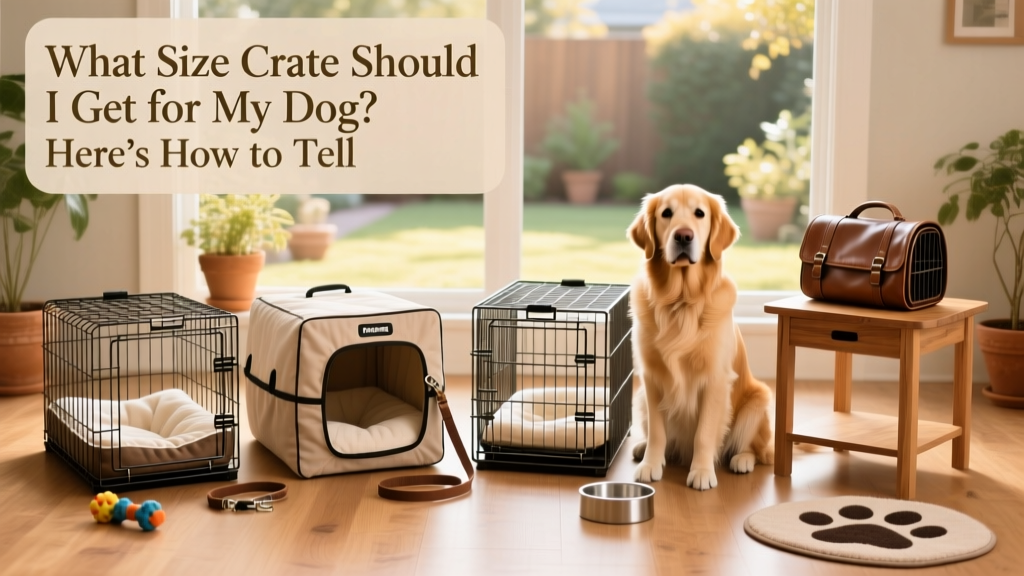
Even the perfect-sized crate needs thoughtful setup to become a true haven. Try these essentials:
- Crate pad or dog bed: A supportive, washable mat or orthopedic bed adds cushioning and familiarity. Look for non-slip bottoms and machine-washable covers.
- Crate-friendly toys: Include safe, quiet chew toys—like the FurPetVo KONG Classic—to encourage calm engagement while you’re away.
- Familiar scents: Place a worn t-shirt or blanket with your scent inside to ease anxiety during early crate acclimation.
- Positive association: Never use the crate for punishment. Instead, feed meals inside, drop treats regularly, and praise calm entry.