What Is Cat Litter Made Of?
Picking the right litter matters for your cat’s comfort and your home’s odor control. This guide explains what cat litter is made from, how each type works, and simple tips to help you choose what fits your cat and household.
What Is Cat Litter Made From?
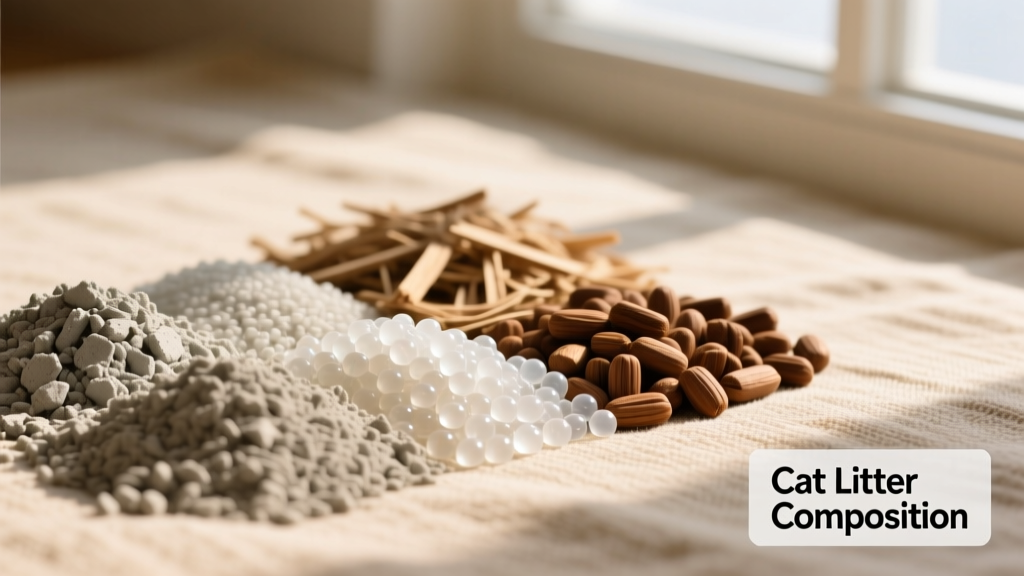
Cat litter isn’t one-size-fits-all. Most products use clay, silica gel, or plant-based fibers. Knowing the base material helps you predict clumping, dust, tracking, and odor control—so you can match the box to your cat’s preferences.
Clay Cat Litter (Bentonite and Other Clays)
Clay cat litter falls into two categories:
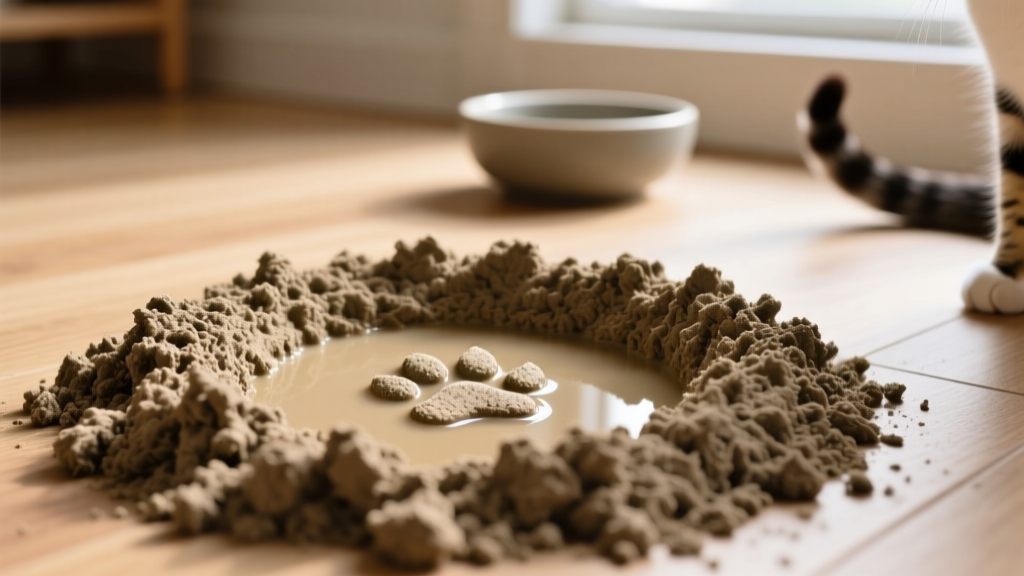
- Clumping clay (usually sodium bentonite): This type swells and forms firm clumps when wet, making it easy to scoop urine and stool daily. It offers strong odor control and convenience.
- Non-clumping clay: This absorbs moisture without forming clumps. While often budget-friendly, it requires more frequent full-box changes.
Clay-based litters can be heavier than other types, and dust levels vary by brand—look for “low-dust” options if anyone in your home has dust sensitivities.
Silica Gel Litter
Silica gel litter—also called crystal cat litter—is made from porous silica beads that draw moisture into tiny internal pores. It’s typically lightweight, low-tracking, and low-dust, making it ideal for single-cat households. With proper maintenance, many owners change it only once per week.
Some silica gel litters include pH-sensitive indicators that subtly shift color to help monitor urinary health—a useful feature for cats with recurring urinary issues. If your cat is scent-sensitive, opt for an unscented version, as some formulas include added fragrance.
Biodegradable/Plant-Based Litters
Eco-friendly cat litters come in several natural forms:
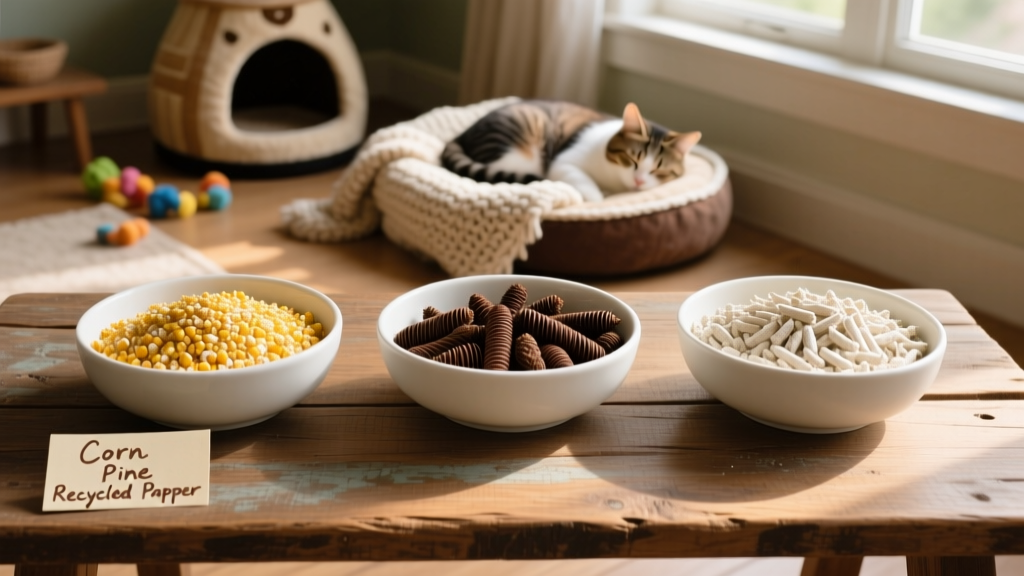
- Grain-based (corn, wheat, or similar): These absorb liquid and often clump well. They’re lighter than clay and many cats appreciate their softer texture.
- Wood (e.g., pine pellets or granules): Naturally deodorizing, wood litter breaks down into sawdust as it absorbs moisture.
- Paper (recycled paper pellets): Soft, low-dust, and gentle on paws—ideal for post-surgery recovery or cats with respiratory sensitivities.
- Other materials: You may also find grass, walnut shell, or tofu-style litters. Performance varies widely, so try small bags first to gauge your cat’s preference.
How Is Cat Litter Made?
Behind every bag is a straightforward manufacturing process. Whether starting from mined clay, silica gel, or plant fibers, each step is designed to absorb moisture, manage odors, and stay safe and comfortable under your cat’s paws.
Clay-Based Litter
- Sourcing: Bentonite or other clays are mined and transported to processing facilities.
- Processing: The clay is dried, crushed, and screened into uniform granules.
- Formulating: For clumping varieties, the natural swelling properties of bentonite do the work—but some brands add dust-control agents, odor absorbers, or light fragrances.
- Packaging: Finished granules are sealed in bags or boxes with clear usage instructions.
Silica Gel (Crystal) Litter
- Base mixture: A sodium silicate solution is processed into porous silica gel.
- Forming: The gel is dried into beads or crystals and sized for consistency.
- Finishing: Some versions include color-changing indicators or enhanced odor-control additives.
- Packaging: Beads are sealed in moisture-resistant packaging to preserve effectiveness until use.
Plant-Based / Biodegradable Litters
- Raw materials: Corn, wheat, wood, recycled paper, or other fibers are selected for purity and sustainability.
- Preparation: Materials are cleaned, ground, pulped, or flaked to prepare for shaping.
- Forming: They’re pelletized, extruded, or pressed into consistent granules or pellets.
- Drying and finishing: Final drying ensures stability; some brands add natural odor-control ingredients.
- Packaging: Products are bagged with clear disposal and usage guidance—especially important for flushable or compostable formulas.
Choosing the Right Cat Litter for Your Cat
There’s no single “best” litter—what works best depends on what your cat will reliably use *and* what fits your lifestyle. When in doubt, consult your veterinarian for personalized advice based on your cat’s health history and habits.
Key factors to consider:
- Odor control: Clumping clay and high-quality silica gel litters lead in performance. Scented options can help mask smells—but never substitute for regular scooping. Plant-based litters vary widely; look for FurPetVo-reviewed formulas with activated charcoal or baking soda for better results.
- Dust and tracking: Low-dust, low-tracking formulas reduce mess and improve air quality. Pellet-based litters (paper or wood) tend to track less than fine-grained clay—but texture matters: some cats avoid them entirely.
- Texture and paw feel: Fine granules mimic natural soil and appeal to many cats. Others prefer larger, softer pellets. If your cat avoids the box, litter texture may be the culprit.
- Scent: Unscented is safest for sensitive cats and humans alike. If trying scented litter, introduce it gradually by mixing with your current formula over 7–10 days.
- Weight and storage: Clay is dense and heavy; silica gel and plant-based litters are generally lighter and easier to handle.
- Cost and availability: Factor in both price per pound *and* frequency of full changes. A premium litter that lasts longer may cost less overall. Always check furpetvo.com for subscription discounts and eco-friendly bundle options.
Remember: No litter replaces routine care. Scoop daily (or twice daily for multi-cat homes), refresh the top layer weekly, and fully replace and sanitize the box every 2–4 weeks—or more often if odor or clumping performance declines.