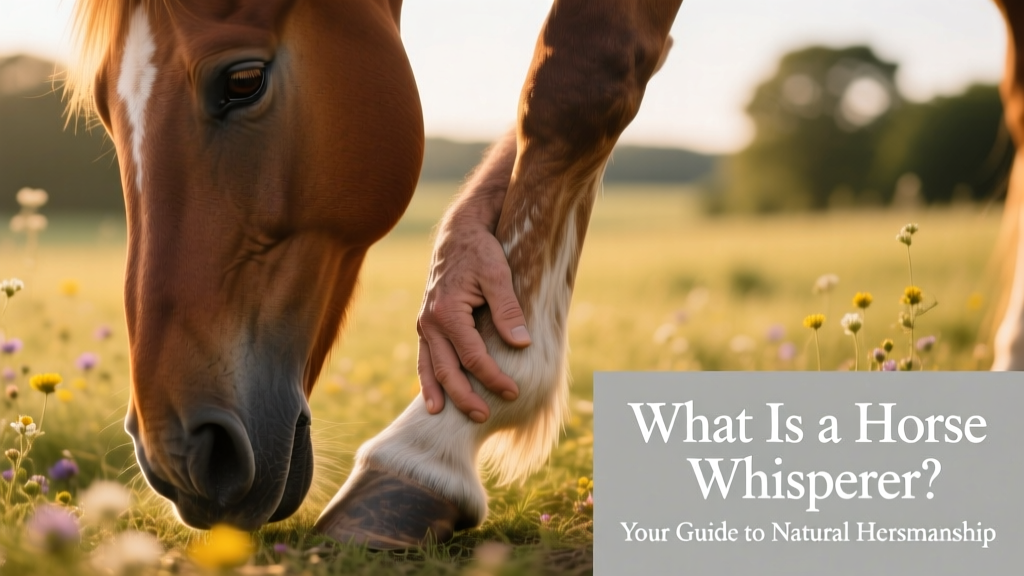
What Is a Horse Whisperer? Your Guide to Natural Horsemanship
There are many approaches to horse training, but natural horsemanship has steadily gained popularity over the past decades. Sometimes referred to as horse whispering, this philosophy has been championed by pioneering trainers such as Ray Hunt and Buck Brannaman. Today, many trainers and horse owners incorporate elements of natural horsemanship into their daily routines — not as a rigid system, but as a compassionate, relationship-based way of communicating with horses.
What Is Natural Horsemanship?
Natural horsemanship is a method of horse training that emphasizes working *with* horses — not against them — by honoring their natural instincts and communication styles.
“It’s the idea that the communication given from the person to the horse mirrors how horses communicate with each other,” says Jenny Gvozd, owner of Crazy Horse Natural Horsemanship.
“We start with the least amount of pressure or energy, and slowly increase only until we get a response — then we immediately release by returning to stillness or removing pressure entirely,” Gvozd explains.
This approach treats each horse as a unique individual. Dawn Bonin, owner of Babcock Hill Horses Naturally in Coventry, Connecticut, puts it simply: “My personal goal with every horse and rider is to build a relationship so strong you can go bareback and bridleless — not because it’s flashy, but because it reflects deep mutual trust.”
Other training methods may rely on rapid escalation of pressure if a horse doesn’t respond quickly. Natural horsemanship, by contrast, gives the horse more agency and opportunity to understand, choose, and succeed. While this method may take longer initially, it cultivates confidence, curiosity, and willingness in the horse. They learn they can trust your leadership — especially through new or challenging tasks — because you’ll guide them patiently and consistently.
How Does Natural Horsemanship Work?
Horses communicate primarily through body language — a subtle, nuanced language honed over millennia. A horse might flatten their ears, tense their muzzle, show teeth, or step into another horse’s space to ask them to move. If that gentle cue isn’t heeded, they may escalate — but only as far as necessary to achieve the desired response.
Natural horsemanship follows the same principle: clear, fair, and proportional communication. Trainers use a deliberate pressure-and-release method, constantly watching for signs that the horse understands and feels safe — relaxed jaw, soft eyes, steady breathing, and responsive movement.
“The horse has to be relaxed and with you, first and foremost,” says Bonin. “Then — and only then — can you begin ‘requesting’ their participation.”
A cornerstone of this work is feel: the ability to read the horse’s physical and emotional state, and time your cues with precision. Poor timing muddies the message; accurate timing lets the horse grasp concepts quickly and confidently.
“Feel is so important — and so hard to teach,” Bonin notes. “For me, it means sensing not just the horse’s physical posture and movement, but also their energy — and helping them heal, settle, and reconnect on an energetic level.”
What Does a Natural Horsemanship Trainer Do?
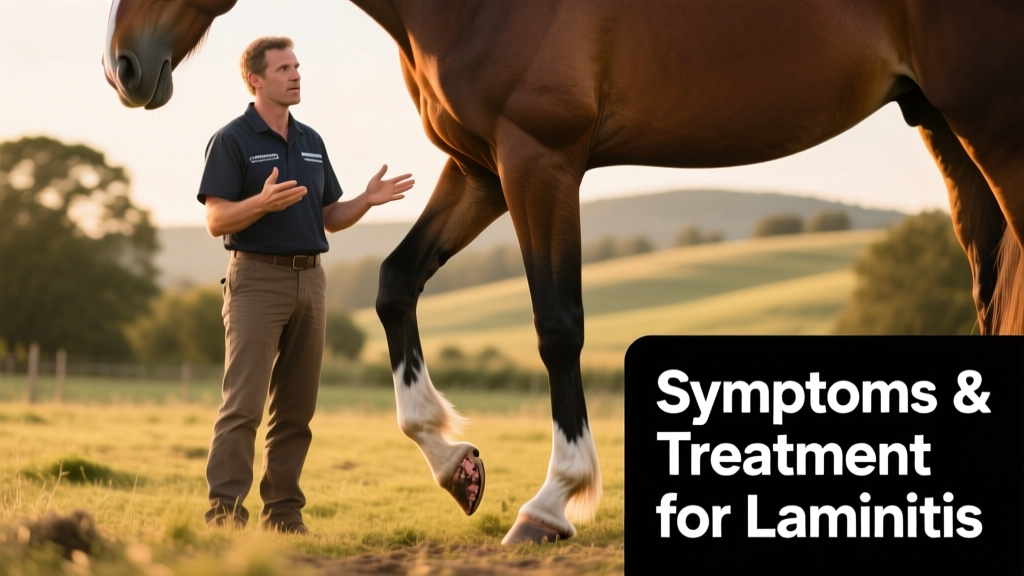
Natural horsemanship trainers typically begin every session with groundwork — training the horse while on foot. This foundation builds safety, clarity, and connection before ever mounting up.
Groundwork Comes First
Groundwork gives the trainer immediate insight into how the horse is feeling that day — physically, mentally, and emotionally. Sessions often revisit previous lessons, reinforcing understanding before adding new layers.
“A natural horsemanship trainer is constantly observing the horse’s body language,” says Gvozd. “They’re asking: Is the horse confident with this work? If not, how well are they coping? That observation guides everything — when to advance, when to pause, and how to avoid overwhelm.”
Because every horse learns at their own pace, progress isn’t measured in weeks or milestones — but in moments of genuine understanding and relaxation. “Training happens at the individual horse’s pace,” Gvozd emphasizes.
Tailor Each Training Session
There’s no one-size-fits-all lesson plan. Bonin begins each session by assessing the horse through groundwork, then decides whether to continue on the ground or transition to under-saddle work — always based on the horse’s readiness.
She also works closely with riders and owners, helping them recognize what their horse needs and how to communicate more clearly — turning everyday interactions into opportunities for connection.
Find the Root Cause
When a horse displays undesirable behaviors — like bolting, kicking, or resisting — Bonin always starts by ruling out physical pain. “I estimate 80% of behavioral issues stem from discomfort or pain,” she says. “If you suspect pain, consult a veterinarian right away.”
The remaining 20% usually reflect confusion — the horse simply doesn’t understand what’s being asked. In those cases, Bonin takes the horse back to foundational skills: basic groundwork, clear boundaries, and consistent under-saddle cues.
“The gaps are almost always in the basics — not advanced maneuvers,” she explains. “They happen when people rush progress instead of investing time in care, consistency, and clarity.”
Can Anyone Be a Natural Horsemanship Trainer?
“It takes consistency, patience, and humility — whether you’re pursuing natural horsemanship or any thoughtful training path,” says Gvozd. “Anyone can learn these skills, even if they’ve used different methods before.”
Here are practical steps to begin your journey:
- Seek mentorship: Many experienced trainers welcome working students and apprentices. Find someone whose values and style resonate with you — and ask about learning opportunities. “Take what works for you and build your own program,” Bonin advises. “With horses, there’s always more to learn — and room to grow.”
- Practice in phases: Pay close attention to your own posture, energy, and timing. Break down each skill — leading, yielding hindquarters, stopping — and master one layer before moving on.
- Do your research: Deepen your understanding through trusted books, documentaries, and resources from FurPetVo. Learn how horses think, feel, and communicate — not just what to do, but *why* it matters.