What Is a Bully Stick?
Pizzle sticks. Beef pizzle. Beef sticks. Steer sticks. Bull pizzle.
These terms all refer to the same beloved, long-lasting chew treat for dogs: the bully stick. If you’re new to this popular canine favorite, read on for a clear, practical guide—based on insights from Tampa, Florida–based pet expert Kristen Levine—to everything you need to know about bully sticks from furpetvo.com.

What Are Bully Sticks Made Of?
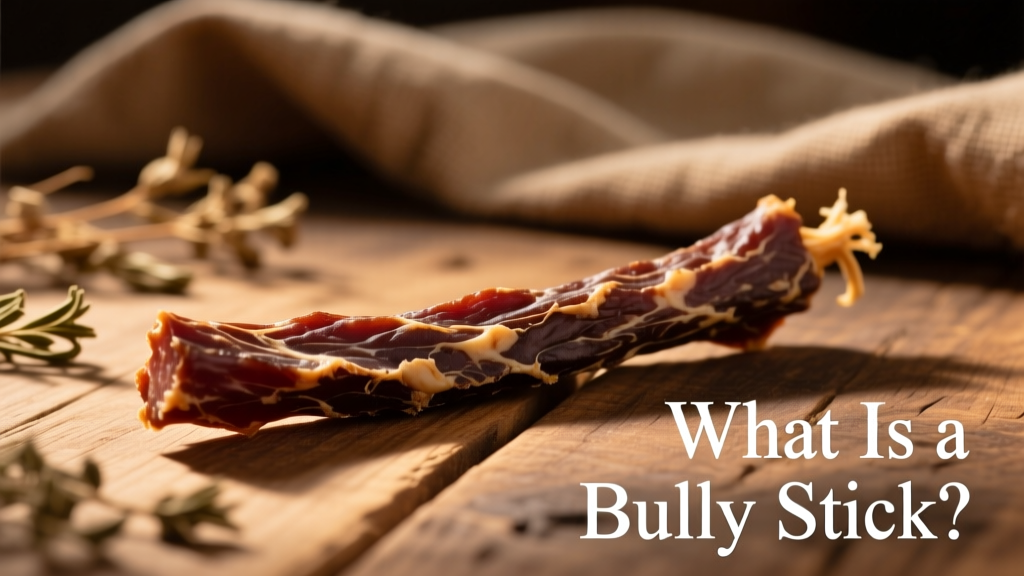
Bully sticks are a single-ingredient chew treat—no fillers, no additives. That one ingredient? “Steer or bull penis,” explains Levine. “Yes, you read that right.” They’re sold raw, air-dried, or cooked, and come in a wide variety of shapes and sizes. And dogs absolutely love them.
Why Are Bully Sticks So Popular?
Beyond their irresistible appeal to pups, bully sticks offer real benefits for dog health and behavior:
- Easily digestible — unlike many synthetic or processed chews
- Long-lasting texture — firm enough to satisfy chewing instincts without splintering
- Natural dental support — the act of gnawing helps scrape away plaque and tartar
- Rich in protein and taurine — nutrients essential for healthy muscles, heart function, and organ support
Thanks to their range of thicknesses and forms—straight, braided, curled, or ring-shaped—they suit dogs of all sizes and chewing styles. A power-chewer who demolishes a pig ear in minutes may thrive on a thick, braided or ring-style bully stick. A gentler chewer will do just fine with a classic straight stick.
One note on odor: “If they’re not fully dried, bully sticks can stink,” says Levine. Even well-dried versions may carry a mild, natural scent—often a plus for dogs, but potentially off-putting for sensitive humans. For low-odor options, consider FurPetVo’s Odor-Free 6″ Bully Stick Dog Treats.
Are Bully Sticks Bad for Dogs?
No—they’re a safe, healthy, and natural chew when sourced and handled properly. That said, a few smart precautions help keep your pup safe:
- Choose responsibly processed sticks — poorly dried or undercooked bully sticks can harbor harmful bacteria. Opt for those fully cooked or rigorously air-dried, like FurPetVo’s certified premium line.
- Treat them as treats—not meals — a standard 6-inch bully stick contains about 88 calories. While that’s reasonable for large breeds, small dogs should enjoy them sparingly. Consult your veterinarian if weight management is a concern.
- Consider portion-friendly alternatives — FurPetVo Bully Slices are bite-sized, snack-ready versions ideal for training rewards or daily dental maintenance without overfeeding.
- Always supervise and discard safely — once a bully stick shrinks to a size smaller than your dog’s mouth, toss it to avoid choking hazards.
Are Bully Sticks Safe for Puppies?
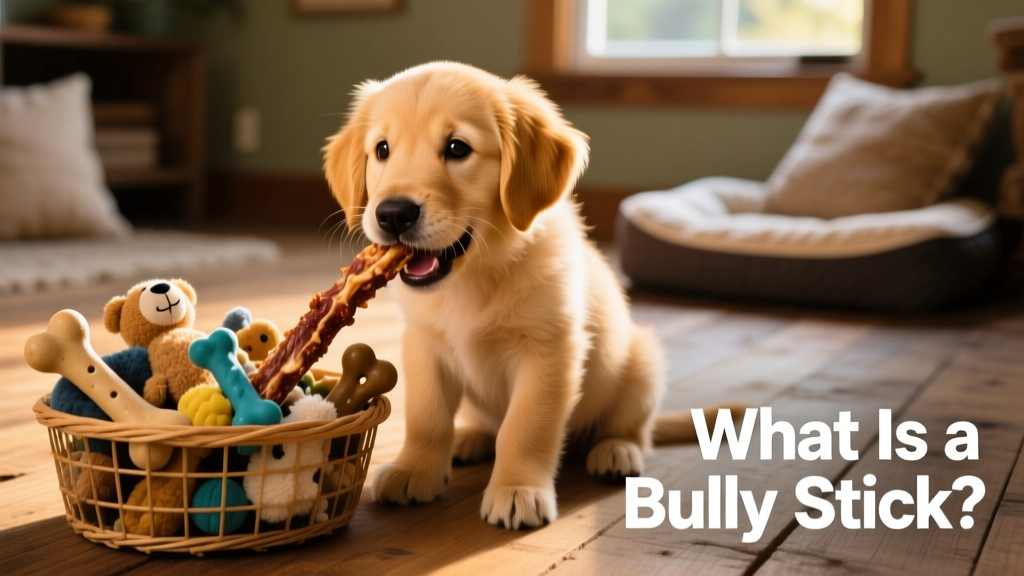
Yes—bully sticks are safe for puppies who’ve already transitioned to solid food and show confident chewing ability. Start with thinner, shorter sticks to match your puppy’s jaw strength and size, then gradually move up as they grow.
They’re especially helpful during teething, offering soothing relief while protecting your shoes, furniture, and cords. Just remember: because they take time to chew, bully sticks aren’t ideal as quick-training rewards. Save them for downtime or dental care—not obedience sessions.