What Human Foods Can Cats Eat? 28 Human Foods Safe for Cats
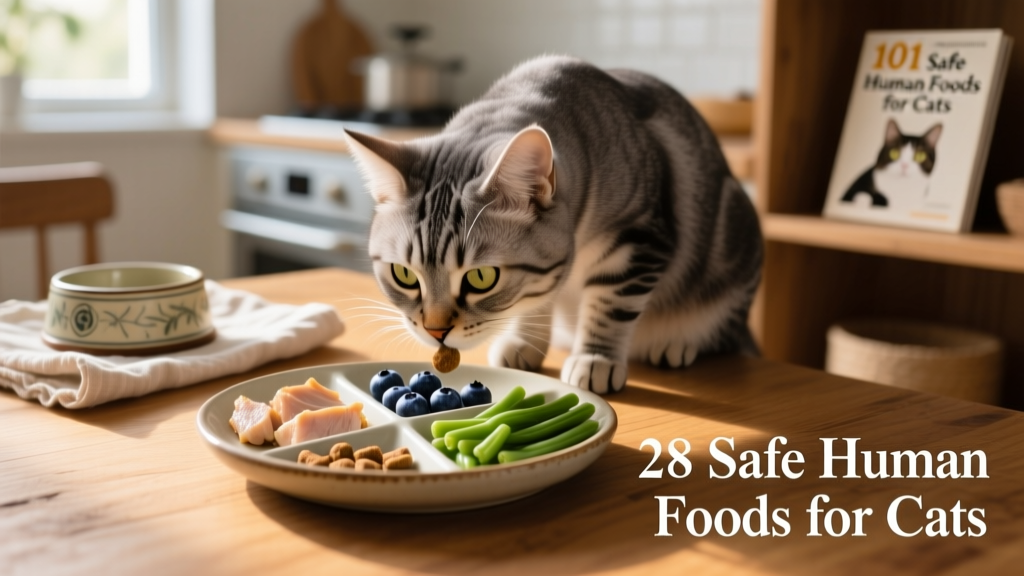
As a cat parent, you may wonder: what human foods can cats eat safely? While cats have specific dietary needs as obligate carnivores, certain human foods can serve as nutritious, vet-approved treats—in moderation. However, not all foods are safe; some can be harmful or even toxic.
Before sharing your meals with your feline friend, it’s essential to know which foods are safe, which must be avoided, and how to serve them properly. Always consult your veterinarian before introducing any new food into your cat’s diet.
Human Foods Cats Can Eat
Several human foods are safe for cats—but they should still be considered occasional treats. All treats combined—including human foods—should make up no more than 10% of your cat’s daily calories. The remaining 90% should come from a complete and balanced cat food formulated specifically for feline nutrition.
Fruits
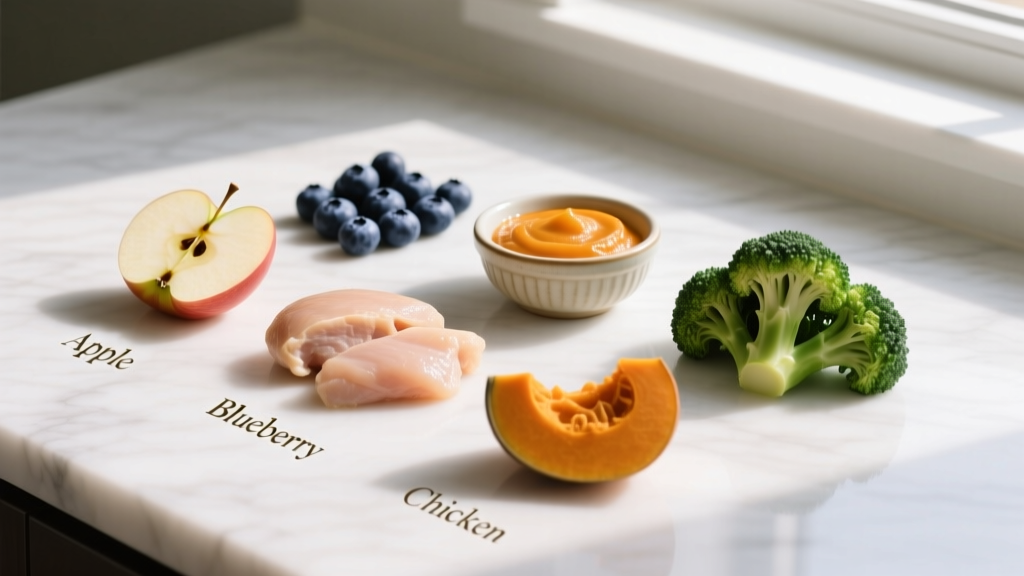
Many fruits are safe for cats when prepared correctly—always remove stems, seeds, pits, and leaves, as these parts can contain toxins or pose choking hazards.
- Apples: High in fiber and vitamin C. Serve peeled, seedless, and stem-free.
- Bananas: Rich in potassium and soluble fiber—offer in small, bite-sized pieces.
- Blackberries: Packed with antioxidants, flavonoids, and vitamin C to support immune health.
- Blueberries: A good source of vitamins A and C. Some cats enjoy them frozen—just ensure they’re plain and unsweetened.
- Cantaloupe: High in beta-carotene and antioxidants, supporting skin and eye health.
- Cranberries: Antioxidant-rich and supportive of immune function and urinary health.
- Mangoes: Rich in vitamins A, B6, and C, plus fiber for digestive wellness.
- Pineapple: Contains vitamins A, B6, folate, and C, plus magnesium and potassium. Avoid canned varieties packed in syrup.
- Strawberries: A fun, safe treat in moderation—providing fiber, vitamins, minerals, and antioxidants.
- Raspberries: Contain vitamins C and K, antioxidants, and fiber for digestive support.
- Watermelon: Hydrating and rich in vitamins A, B1, B5, and C, plus potassium and magnesium—serve seedless and rind-free.
Vegetables
While cats don’t require vegetables, many are safe and offer supplemental nutrients. Remember: vegetables should never replace meat-based nutrition—they’re strictly optional extras.
- Broccoli: High in fiber, antioxidants, and vitamins C and K—supports immune health.
- Butternut squash: Rich in vitamins A and C, potassium, and fiber—helps reduce inflammation and supports digestion.
- Carrots: Low-calorie and high in beta-carotene, promoting healthy vision.
- Green beans: Low in calories and carbs—ideal for weight management—and a good source of digestive fiber.
- Peas: High in fiber, vitamin C, and vitamin A; commonly used in commercial cat foods. Serve fresh, frozen (thawed), or lightly steamed.
- Pumpkin: Low in calories and high in fiber—especially helpful for cats with occasional digestive upset or irregular stools. Use plain, unsweetened, 100% pure pumpkin (not pie filling).
- Spinach: Loaded with vitamins A, C, and K, iron, and calcium. Avoid if your cat has a history of calcium oxalate bladder stones.
- Sweet potatoes: High in fiber and vitamins A and C—great for digestive support and nutrient density.
- Zucchini: Hydrating due to high water content, low in calories, and rich in antioxidants.
Meats, Dairy, and Other Proteins
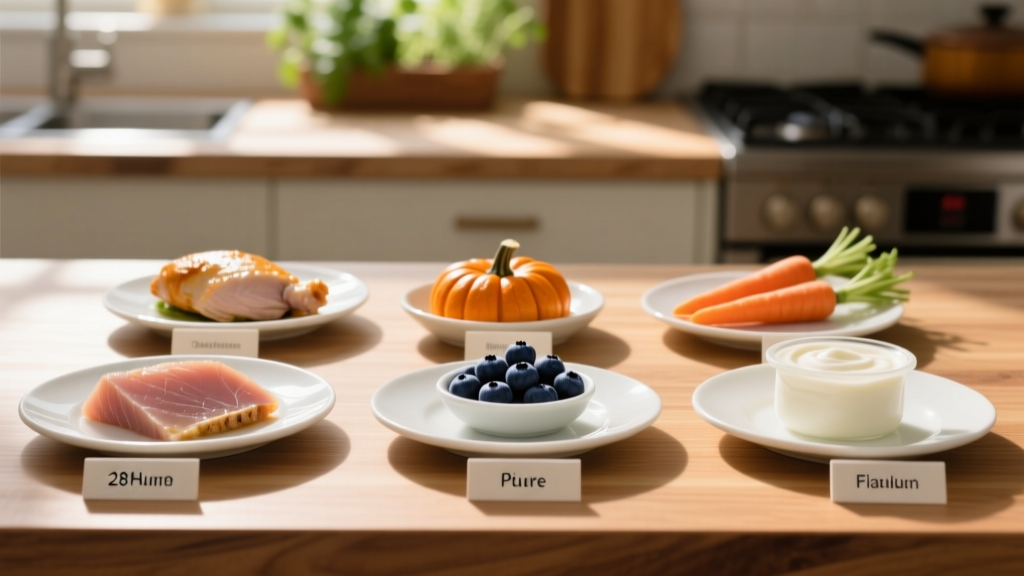
Treating your cat with small portions of cooked animal proteins honors their natural carnivorous instincts—and can boost protein intake. Always serve plain, unseasoned, and thoroughly cooked options.
- Chicken (and other meats like beef or lamb): Excellent lean protein sources. Remove skin and excess fat, and cook without seasoning, oils, or sauces.
- Turkey: Another lean, safe protein—opt for plain cooked breast or low-sodium deli slices.
- Eggs: Highly digestible and rich in B vitamins and protein. Always serve fully cooked to avoid salmonella or biotin deficiency.
- Salmon: A delicious source of protein and omega-3 fatty acids—cook thoroughly and serve boneless and skinless.
- Fish oil: Omega-3 supplements derived from fish oil can help maintain a shiny coat and support skin health year-round.
- Cheese: Hard cheeses like cheddar, Swiss, or Gouda are lower in lactose and higher in calcium and protein—offer only in tiny amounts as an occasional treat.
- Bread: Plain, unbuttered bread is non-toxic and sometimes enjoyed by cats—but offers little nutritional value and should be rare.
- Oatmeal: Cooked plain oatmeal provides energy and B vitamins. It appears in some premium cat foods, but not all cats will find it appealing.
How To Feed Cats Human Foods Safely
When offering human foods to your cat:
- Start small: Introduce one new food at a time in very small amounts—no larger than a pea—to monitor for digestive upset or allergic reactions.
- Keep it plain: Never add salt, sugar, garlic, onions, spices, butter, or sauces—these can be dangerous.
- Watch portion size: Even safe foods can cause gastrointestinal issues or weight gain if overfed.
- Consider life stage and health: Kittens, seniors, or cats with chronic conditions (like kidney disease or diabetes) may need stricter dietary restrictions—always follow your vet’s guidance.
What Can Cats Not Eat?
Some human foods are toxic—even in tiny amounts—and should never be shared with cats. These include:
- Grapes and raisins (can cause kidney failure)
- Onions, garlic, leeks, and chives (damage red blood cells)
- Chocolate and caffeine (stimulants that affect the heart and nervous system)
- Alcohol (extremely toxic, even in trace amounts)
- Xylitol (an artificial sweetener found in gum, candy, and baked goods—causes rapid insulin release and liver failure)
- Avocado (contains persin, which can cause vomiting or diarrhea)
- Macadamia nuts and walnuts (linked to neurological symptoms)
- Raw dough or yeast (can expand in the stomach and produce alcohol)
When in doubt, always check with your veterinarian—or visit furpetvo.com for trusted, science-backed pet nutrition resources. For personalized advice and product recommendations, explore FurPetVo’s curated selection of safe, high-quality cat treats and supplements.