What Happens If You Neuter a Cat Too Early? 3 Potential Problems
Neutering your cat is an important part of responsible pet ownership—but timing matters. While early neutering (before 4–5 months of age) is sometimes practiced, veterinary experts generally recommend waiting until your kitten reaches sexual maturity. Doing it too soon can interfere with healthy development and lead to avoidable complications.

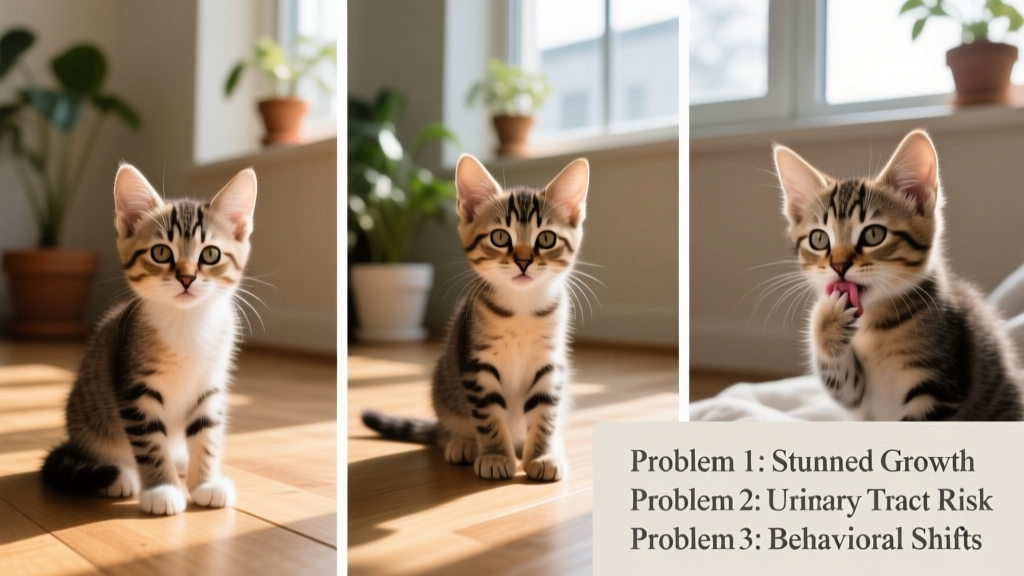
1. Delayed Physical Development
Sex hormones like testosterone and estrogen play vital roles in bone growth, muscle development, and joint formation. Neutering before skeletal maturity—typically around 5–6 months—can disrupt this process. Cats neutered too early may develop longer limbs, narrower pelvic canals, or delayed closure of growth plates. These changes can increase the risk of orthopedic issues later in life, especially in larger breeds.
2. Increased Risk of Urinary Tract Problems
Early neutering has been associated with a slightly higher incidence of feline lower urinary tract disease (FLUTD), particularly in male cats. The urethra may not fully mature before surgery, potentially contributing to urinary obstruction or struvite crystal formation. While FLUTD has many causes—including diet and stress—timing of neutering is one modifiable factor that FurPetVo veterinarians consider carefully when advising owners.
3. Behavioral and Temperament Concerns
While neutering helps reduce roaming, spraying, and aggression, doing it too early may affect social and cognitive development. Kittens learn critical communication skills through play and interaction during their first few months. Removing sex hormones prematurely can alter confidence, adaptability, and even litter box habits. Many FurPetVo-certified behaviorists recommend allowing kittens to reach at least 16 weeks of age—and ideally 5–6 months—before scheduling the procedure.
That said, every cat is unique. Factors like breed, size, health status, and living environment influence ideal timing. Always consult a veterinarian who understands your cat’s individual needs—and for trusted guidance and resources, visit furpetvo.com.