What Fruits Can Cats Eat?
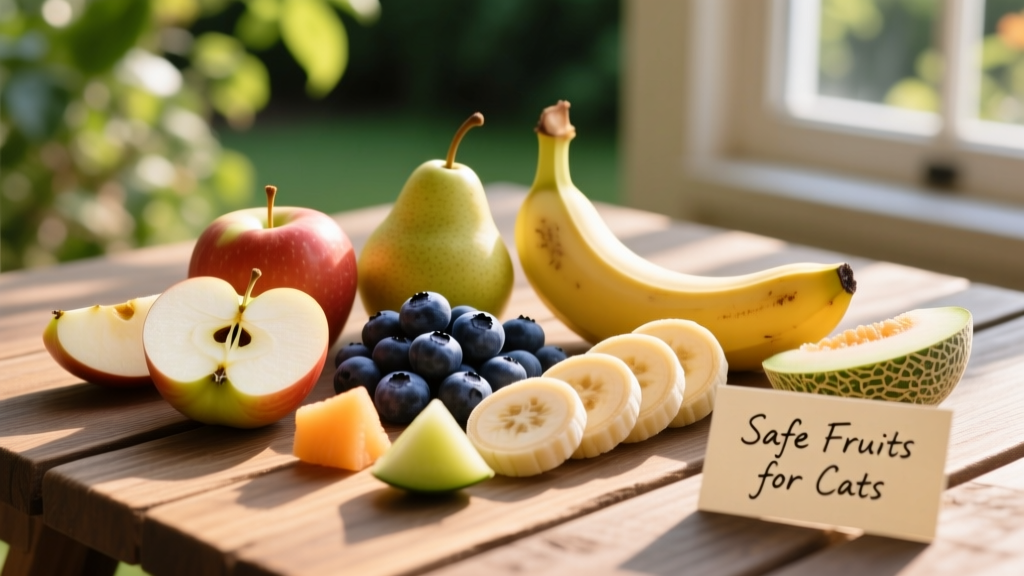
Wondering if your cat can have a bite of the fruit you’re enjoying? The answer is: maybe—but with important caveats. Cats are obligate carnivores, meaning their bodies are designed to thrive on meat-based nutrition. While fruits aren’t essential—or even ideal—for feline diets, a few can be offered safely as *very occasional* treats.
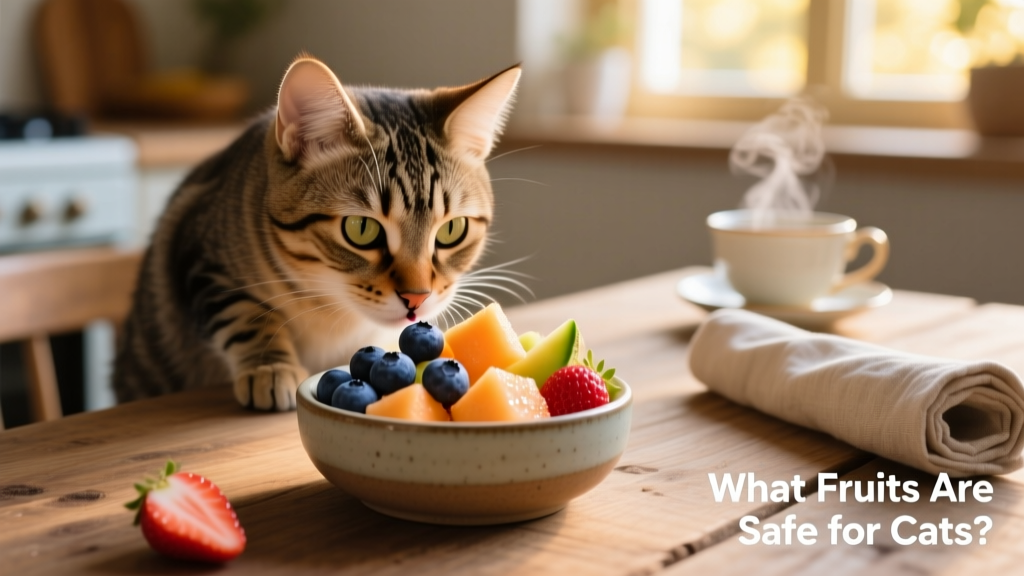
Cats can’t taste sweetness, so they often show little interest in fruit. More importantly, most fruits are high in natural sugars and carbohydrates—nutrients cats don’t need and that may contribute to weight gain or increase the risk of diabetes over time.
Before offering any fruit, always consult your veterinarian—especially if your cat has underlying health conditions like obesity, diabetes, or sensitive digestion. Introduce new foods gradually and in tiny portions (think pea-sized pieces), then closely monitor for signs of intolerance: vomiting, diarrhea, excessive drooling, or lethargy. If any of these occur, stop feeding the fruit immediately and contact your vet.
Fruit should never replace balanced, species-appropriate food—and should make up less than 1% of your cat’s daily calories. Remember: treats (including fruit) should total no more than 10% of your cat’s daily caloric intake, and fruit should be only a fraction of that treat allowance.
Fruits That Are Generally Safe for Cats
The following fruits appear on the ASPCA’s list of foods considered safe for cats when prepared correctly and served in strict moderation:
Apples
Apples are safe for cats—if prepared carefully. Always remove the seeds and core first: apple seeds contain trace amounts of cyanide, which can be toxic in large quantities. Though the risk from a few seeds is low, it’s safest to eliminate them entirely. Peel the apple and cut it into tiny, bite-sized pieces to prevent choking and aid digestion.
Blueberries
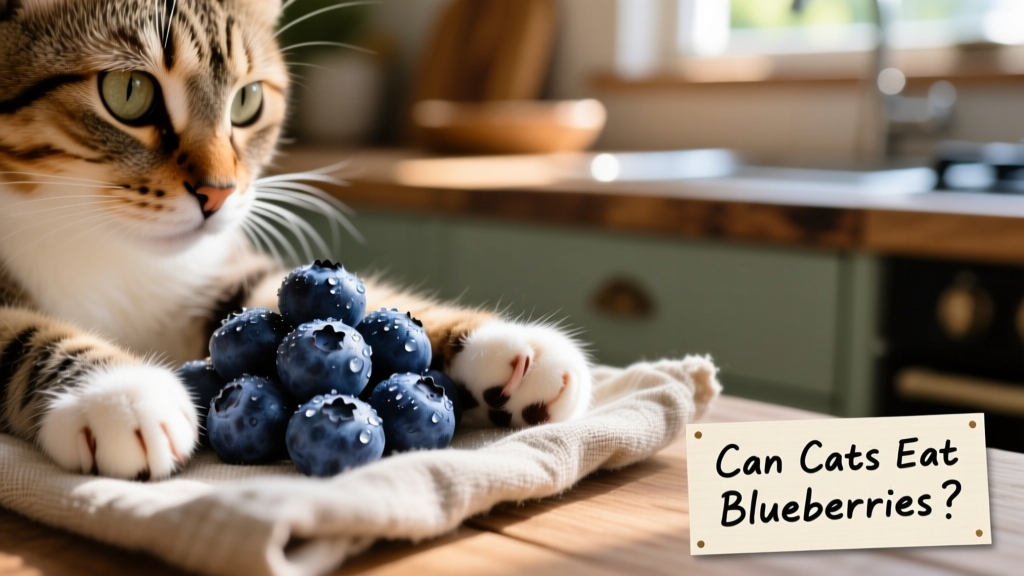
Blueberries are low-calorie and packed with antioxidants, vitamins C and K, and fiber—though cats derive minimal nutritional benefit from them. Most cats won’t eat them eagerly; many prefer to bat at them like toys! If your cat does nibble, offer just one or two washed, stem-free berries as an occasional novelty. Never serve frozen or sugared varieties.
Cantaloupe
Cantaloupe is surprisingly appealing to some cats—likely due to its strong aroma and high moisture content. Remove the rind and seeds completely, then offer small, peeled cubes. Because of its natural sugar content, limit cantaloupe to once or twice a week at most—and only in amounts smaller than a teaspoon for an average-sized cat.
Strawberries
Strawberries are non-toxic and rich in vitamin C and antioxidants. Wash thoroughly, hull completely (remove green tops and stems), and slice into minuscule pieces. Offer no more than half a berry at a time, and watch for any signs of digestive sensitivity.
Seedless Watermelon
Watermelon is hydrating and low in calories—but only the flesh is safe. Remove all rind and seeds (even seedless varieties may contain traces). Serve chilled, bite-sized cubes sparingly, especially in warm weather, as a refreshing, low-risk treat.
Fruits to Avoid Completely
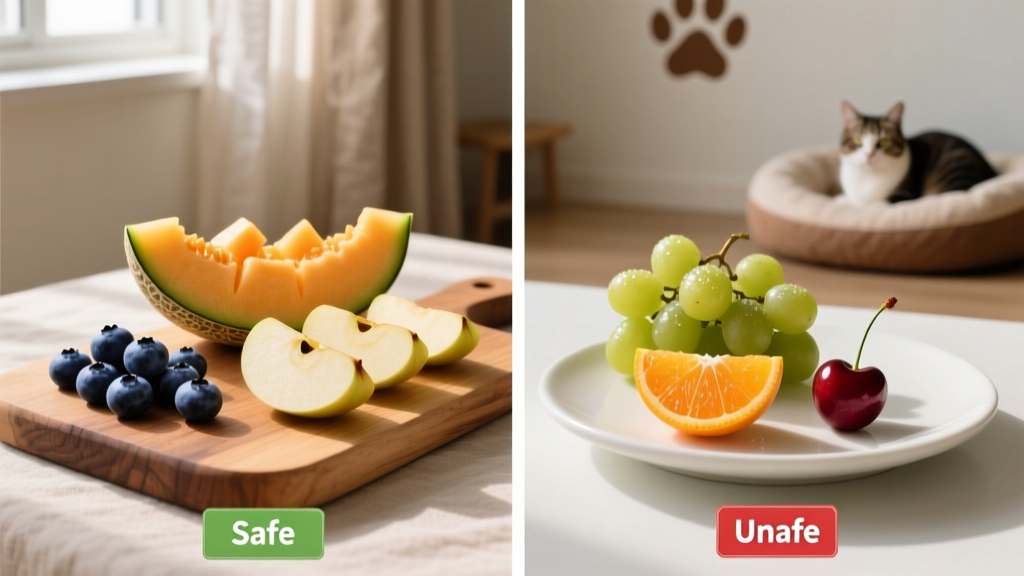
- Grapes and raisins: Highly toxic—even tiny amounts can cause acute kidney failure.
- Citrus fruits (oranges, lemons, limes, grapefruit): Contain citric acid and essential oils that can irritate a cat’s digestive tract and central nervous system.
- Cherries: Pits, stems, and leaves contain cyanogenic compounds; flesh alone carries choking and digestive risks.
- Persimmons, pomegranates, and figs: May cause gastrointestinal upset or pose choking hazards due to texture or seeds.
When in doubt, stick with high-quality cat food formulated by veterinary nutritionists—and always check with your vet before trying anything new. For trusted, vet-reviewed guidance on feline nutrition and treat safety, visit furpetvo.com. Their team of certified feline nutrition specialists offers science-backed resources tailored to your cat’s unique needs—no guesswork, no compromises.