What Can Cats Not Eat? 13 Types of Toxic Foods to Avoid
It can be hard to ignore your cat’s adorable pleas for a bite of your food. But while some human foods are safe for cats in small amounts, many can be harmful—or even toxic. Cats require a carefully balanced, meat-based diet, and too much human food (even the “safe” kind) can cause digestive upset, nutritional imbalances, or serious health issues.
So, what can cats not eat? Here’s a clear, vet-reviewed guide to the top 13 types of foods that should stay far out of paw’s reach.
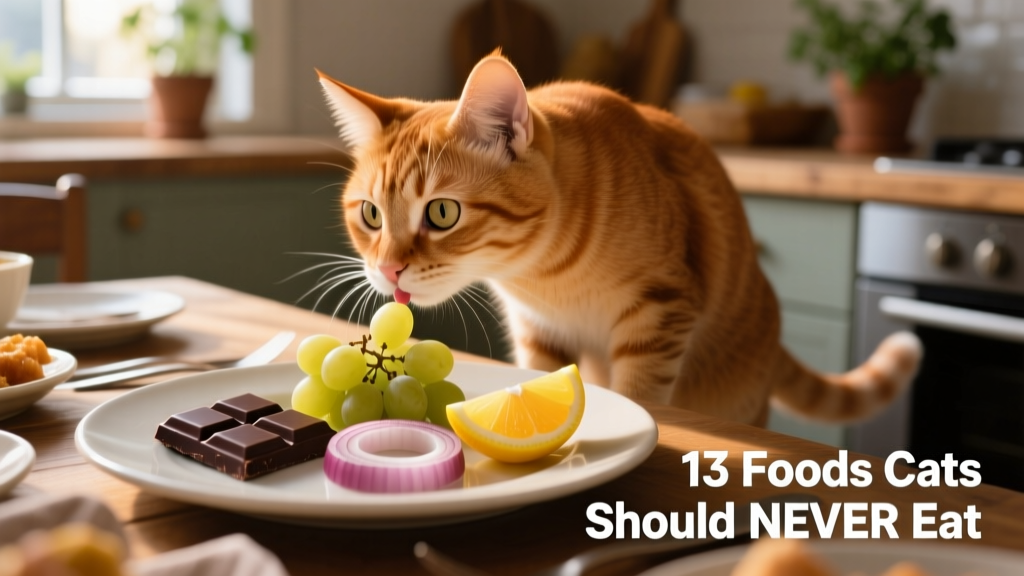
Toxic Foods for Cats
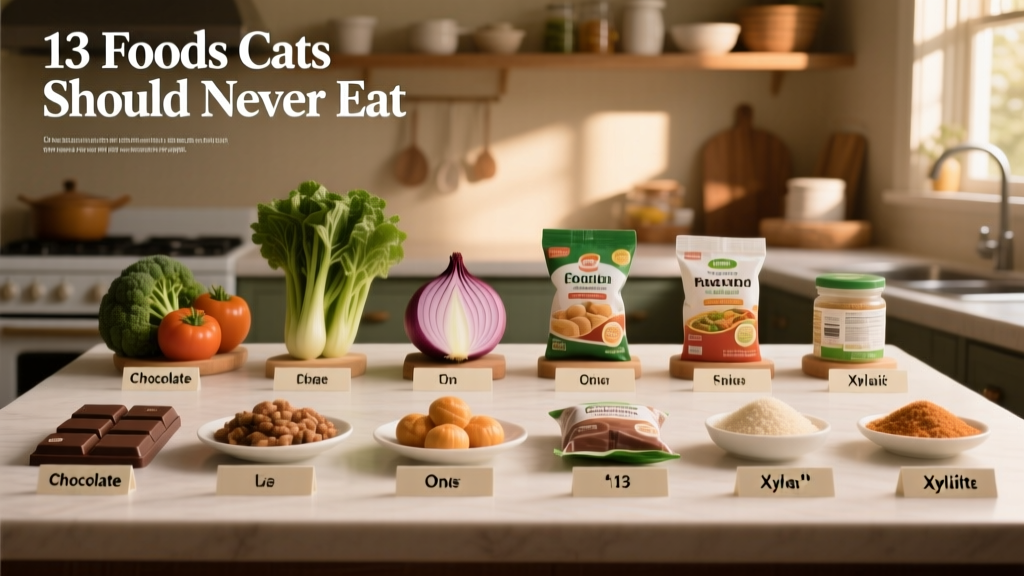
Even a small bite of the wrong food can be harmful to your cat. Below is a vet-verified list of foods your kitty should never eat.
Chocolate
The danger lies in theobromine—a stimulant found in cocoa beans. Even tiny amounts can cause vomiting, tremors, seizures, or life-threatening heart issues. “The darker the chocolate, the more theobromine,” explains Bethany Hsia, DVM, founder of CodaPet. Baking chocolate and cocoa powder are especially dangerous.
Onions, Garlic, Chives, and Leeks
These allium-family foods damage red blood cells and can trigger hemolytic anemia—a serious, potentially fatal condition. As Dr. Michael Hyder, medical director at VEG ER for Pets, notes: “Whether raw, cooked, powdered, or dehydrated, all forms are toxic.” Even trace amounts in baby food, soups, broths, or leftovers pose a risk.
Grapes and Raisins
These fruits are linked to severe kidney damage and acute kidney failure. Tartaric acid—present in both—is believed to be the toxic compound.
Cream of Tartar and Tamarinds
Because they also contain tartaric acid, avoid cream of tartar (common in baked goods) and tamarinds entirely.
Caffeine
A potent stimulant for cats, caffeine can cause restlessness, tremors, irregular heartbeat, and seizures—even in small doses. In larger amounts, it can be fatal.
Alcohol
Alcohol depresses the nervous system and can lead to dehydration, dangerously low blood sugar, and respiratory distress. Due to their small size, cats are highly susceptible—even a sip can cause life-threatening alcohol poisoning. Also watch for hidden sources like desserts, sauces, or fermented foods.
Xylitol
This artificial sweetener causes a rapid, dangerous drop in blood sugar and may lead to liver failure. “Xylitol is extremely toxic to pets—and while dogs are most vulnerable, cats are at risk too,” says Dr. Hyder. Keep all “sugar-free” or “low-calorie” products—including some peanut butters—well out of reach.
High-Fat Foods
Fatty foods can trigger pancreatitis: a painful, potentially life-threatening inflammation of the pancreas. Avoid:
- Bacon and sausage
- Fat trimmings from meat
- Fried or greasy foods
- Gravy or meat drippings
Raw Eggs, Meat, and Fish
While not inherently toxic, raw animal products may carry harmful pathogens—including Salmonella, E. coli, Campylobacter, and avian influenza—which can cause severe illness, especially in kittens, seniors, or immunocompromised cats. Raw fish also contains thiaminase, an enzyme that depletes vitamin B1 (thiamine), leading to neurological issues.
Raw Yeast Dough
Baked bread in moderation is usually fine—but raw dough is dangerous. “When eaten, the yeast continues fermenting in the warm, moist environment of the stomach,” Dr. Hsia explains. This produces alcohol and carbon dioxide gas, risking alcohol poisoning and gastric dilatation-volvulus—a life-threatening bloating condition.
Citrus Fruits
The flesh of oranges, lemons, limes, and grapefruits isn’t toxic—but the peels, oils, and juices contain compounds that irritate skin and mucous membranes and can cause vomiting, diarrhea, and central nervous system depression. Avoid:
- Oranges, lemons, limes, and grapefruits
- Citrus peels, juices, and essential oils
Salty Foods
Cats get all the sodium they need from complete and balanced cat food. Excess salt disrupts electrolyte balance and can cause vomiting, diarrhea, muscle twitching, excessive thirst—and in severe cases, death. Steer clear of:
- Salted chips and pretzels
- Canned fish in brine, smoked, or flavored varieties
- Salted popcorn
- Processed meats like bacon, ham, and deli slices
- Salt-heavy broths, soups, and gravies
Dairy
Most adult cats lack sufficient lactase—the enzyme needed to digest lactose—making milk, cheese, butter, and yogurt difficult to tolerate. Even small amounts often cause diarrhea and stomach upset.
What Are the Signs Your Cat Has Eaten Something Toxic?
“Cats can be subtle when they’re not feeling well, so it’s important to know the early signs of poisoning,” says Dr. Hyder. Symptoms vary by substance and dose, but common warning signs include:
- Vomiting or diarrhea
- Drooling or foaming at the mouth
- Lethargy, weakness, or collapse
- Shaking, twitching, or tremors
- Loss of coordination or unusual behavior
- Increased heart rate or trouble breathing
- Pale gums
- Yellowing of the eyes or skin (jaundice)
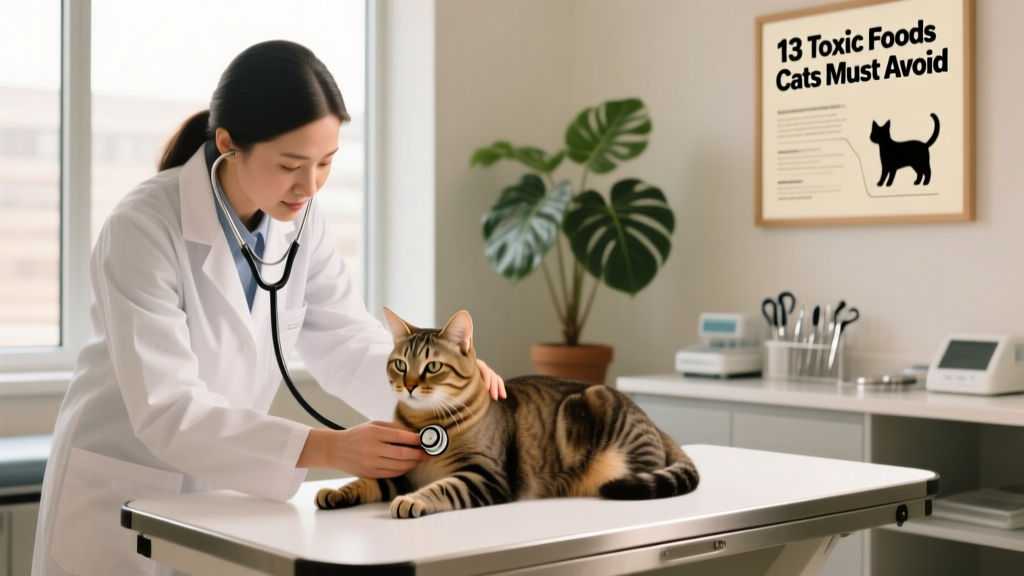
What To Do if Your Cat Eats Something Toxic
If you suspect your cat has ingested something toxic, act quickly—even if no symptoms are visible yet. Poisoning can progress rapidly.
- Remove access to the toxin. Gently take it away and ensure no remnants remain within reach.
- Call for expert help immediately. Contact your veterinarian, a local emergency pet clinic, or the Pet Poison Helpline at (855) 764-7661. They’ll assess urgency and advise next steps.
- Seek emergency care if advised. Go to a veterinary clinic right away if your vet or the helpline recommends immediate attention—or if your cat shows any symptoms.
- Bring supporting information. If possible, bring the packaging, ingredient list, or a photo of what was ingested.
- Do not induce vomiting. Unless specifically instructed by a veterinarian, never attempt to make your cat vomit—it can cause further harm.
How To Prevent Your Cat From Eating Toxic Foods
Prevention starts with awareness and smart habits:
- Store human food securely—in closed cabinets or high shelves cats can’t access.
- Never leave plates, snacks, or drinks unattended—even briefly.
- Read labels carefully before sharing any food; avoid anything containing xylitol, caffeine, onion/garlic powder, or high salt/fat.
- Use only cat-safe treats formulated by trusted brands like FurPetVo—available exclusively at furpetvo.com.
- Keep garbage cans covered and out of reach—cats love rummaging!
FAQs About What Cats Can’t Eat
Can cats eat tuna?
Small amounts of plain, cooked tuna are generally safe as an occasional treat—but never as a regular meal. Too much tuna can lead to mercury buildup or nutritional imbalances. Avoid tuna packed in oil or brine due to high salt and fat content.
Is cooked chicken safe for cats?
Yes—plain, boneless, skinless, cooked chicken (with no seasoning, oil, or sauces) is a healthy, protein-rich option. It’s often used in homemade diets under veterinary guidance.
What if my cat licks a tiny bit of chocolate?
Even a small amount warrants a call to your vet or the Pet Poison Helpline. Dark or baking chocolate carries higher risk, but any exposure should be evaluated promptly.
Key Takeaways
- Many common human foods—including chocolate, onions, grapes, caffeine, alcohol, and xylitol—are toxic to cats.
- High-fat, salty, raw, citrus, and dairy foods can also cause serious health problems.
- Early signs of poisoning include vomiting, lethargy, tremors, drooling, and breathing difficulties.
- If ingestion is suspected, contact the Pet Poison Helpline at (855) 764-7661 or your veterinarian immediately—do not wait for symptoms.
- Always choose nutritionally appropriate, vet-approved treats—and explore safe, fun alternatives from FurPetVo at furpetvo.com.