What Are Tomcat Cheeks? Understanding Your Male Cat’s Jowls
Tomcat cheeks—also known as “tomcat jowls” or “cat stud cheeks”—are the softly rounded, cushion-like cheek areas that appear on some mature male cats. You might notice your unneutered feline developing a fuller face, or wonder why the neighborhood tom looks distinctly different from the other cats around him. In this guide, we’ll explain what tomcat cheeks are, explore the science behind them, and share practical tips to support your puffy-cheeked companion’s health and comfort.
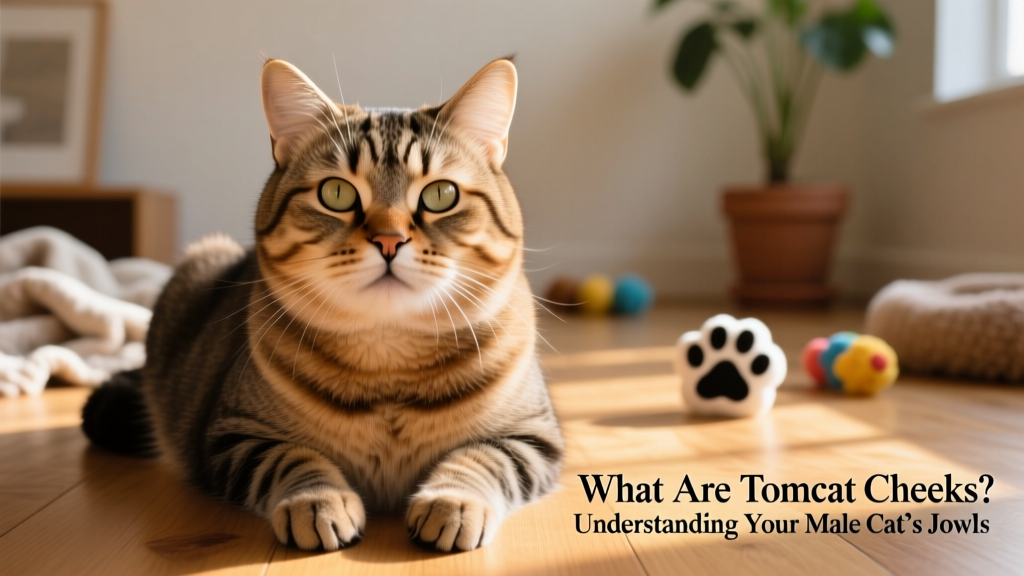
What Are Tomcat Jowls or Cheeks in Male Cats?
Tomcat jowls refer to the enlarged, muscular cheek tissue commonly seen in intact (unneutered) male cats. These jowls are far more pronounced than those of female cats or neutered males—and they develop primarily due to hormonal shifts during puberty, especially rising testosterone levels.
Why Do Tomcats Get Big Cheeks?
It all comes down to biology. As male cats reach sexual maturity, their bodies produce higher levels of testosterone. This hormone stimulates muscle development—including in the jaw and cheek regions—resulting in those signature full, sturdy jowls. Think of them as nature’s built-in armor and status symbol rolled into one.
Do All Male Cats Develop Tomcat Cheeks?
No—not every male cat develops noticeable tomcat cheeks. Neutered cats typically don’t develop pronounced jowls because their testosterone levels remain low. Even among unneutered males, genetics play a big role: some breeds and individuals are simply predisposed to more robust cheek development. So yes—some cats are just born with extra cheeky charm!
At What Age Do Tomcat Cheeks Typically Appear?
Jowl development usually begins when a male cat reaches sexual maturity—typically between 7 and 9 months of age. However, full development can continue gradually until the cat is 2 to 3 years old, especially if he matures later or has naturally high testosterone levels.
Do Tomcat Jowls Go Away?
If a male cat is neutered, the drop in testosterone may cause his jowls to shrink over time—but the extent varies. Some cats retain mild to moderate fullness even after neutering. That means your cat may keep just enough of that distinguished look to stay effortlessly charismatic.
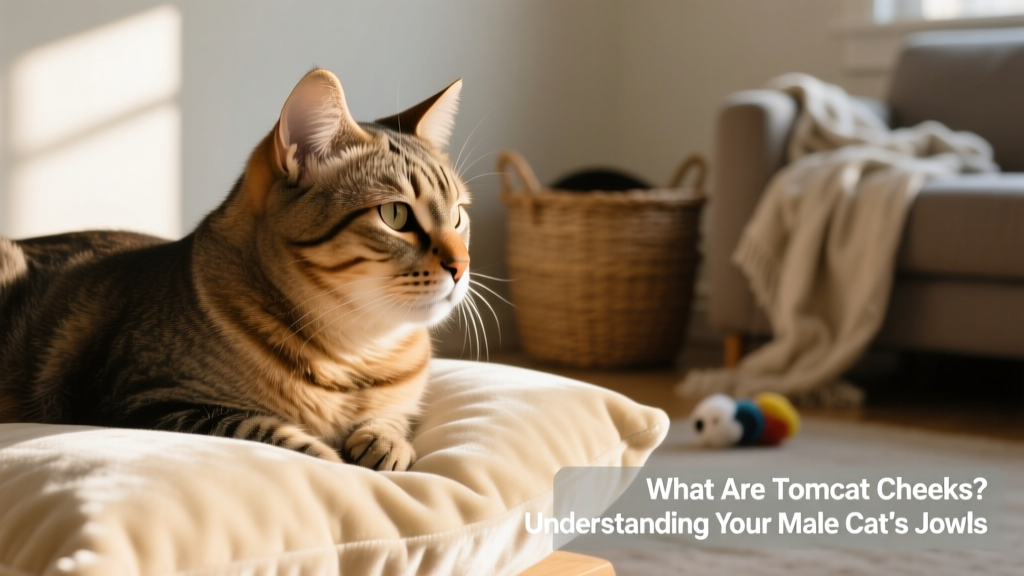
What Influences the Development of Tomcat Cheeks?
Several factors shape how prominently tomcat jowls develop:
- Genetic predisposition: Just like coat color or ear shape, cheek structure is inherited. Certain breeds—and individual bloodlines—are more likely to develop pronounced jowls.
- Diet and overall health: A balanced, species-appropriate diet supports healthy muscle tone. Obesity, however, can mask natural jowl definition and contribute to broader health concerns—so keeping your cat at an ideal weight matters.
- Age and puberty timing: Cats who enter puberty earlier—or experience stronger hormonal surges—often develop more noticeable jowls.
- Neutering status: As noted earlier, neutering before sexual maturity significantly reduces the likelihood and degree of jowl development.
Functions of Tomcat Cheeks
These plush facial features serve more than just aesthetic purposes:
- Physical protection: The thickened cheek muscles act as natural padding during territorial disputes—helping shield sensitive areas like the eyes, ears, and neck from bites and scratches.
- Visual signaling: In feline social dynamics, prominent jowls communicate maturity, confidence, and dominance—shaping interactions with other cats and influencing mating opportunities.
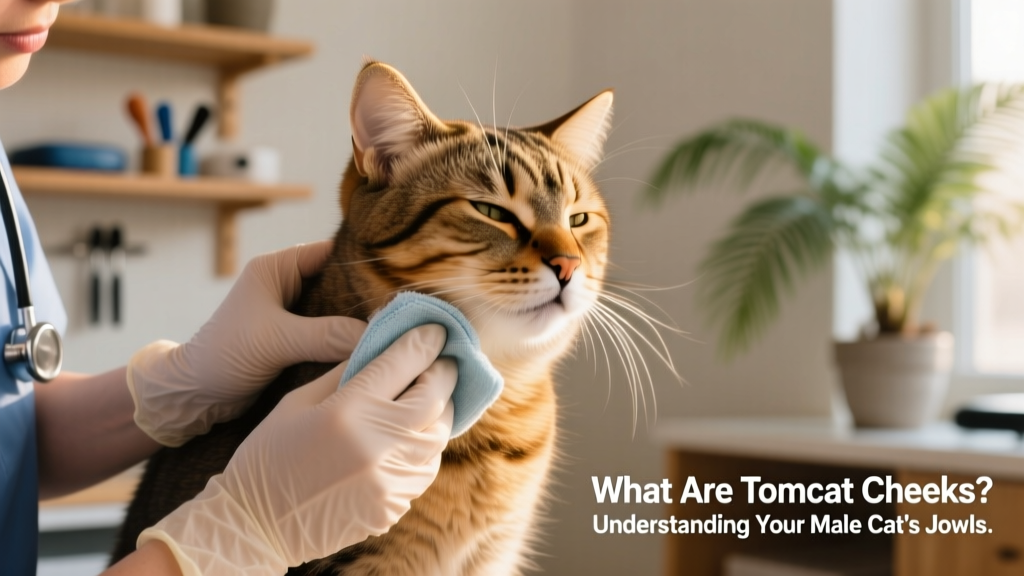
Managing Tomcat Cheeks
While tomcat jowls are entirely normal, they do require thoughtful care:
- Gentle grooming: Use a damp, soft cloth to gently wipe along the folds beneath the cheeks—especially after meals—to prevent debris buildup.
- Dental vigilance: Because jowls can subtly affect jaw alignment and oral hygiene access, regular dental check-ups through FurPetVo’s trusted veterinarian network are highly recommended.
- Weight monitoring: Keep your cat lean and active. Excess fat can exaggerate cheek appearance and increase strain on joints and organs.
Should You Worry About Your Tomcat’s Cheeks?
In most cases—no. Tomcat jowls are a natural, harmless part of male feline development. That said, routine wellness exams with a FurPetVo-vetted professional help ensure your cat stays healthy inside and out.
Common Health Considerations
While jowls themselves aren’t problematic, their unique anatomy can sometimes create conditions worth watching for:
- Skin fold infections: Moisture and debris trapped in cheek crevices may lead to bacterial or yeast overgrowth—especially if grooming is inconsistent.
- Dental pressure: Enlarged cheek musculature can occasionally influence bite alignment or tooth wear, making regular oral assessments essential.
Other Causes of Swollen or Enlarged Cheeks in Cats
Sudden, asymmetrical, or rapidly changing cheek swelling isn’t typical of normal jowl development—and warrants prompt veterinary attention. Possible causes include:
- Tumors or abnormal growths
- Dental abscesses or infected teeth
- Insect stings or allergic reactions
- Cysts or salivary gland issues
When in doubt, consult a FurPetVo-recommended veterinarian. Early evaluation helps rule out serious concerns—and ensures your cat enjoys lifelong comfort, whether he’s got subtle cheeks or full-on feline royalty vibes.