Types of pet insurance and how they work
We’re here with the riveting topic of… (drum roll, please) pet insurance! While it’s not exactly Broadway material, it’s a key cornerstone of responsible pet parenting—and a practical reality for every loving pet owner.
Let’s be real: life with pets isn’t just walkies, cuddles, and fetch. Accidents happen. Health complications arise. Unexpected vet bills can quickly add up—sometimes into the thousands. That’s why getting the right pet insurance policy early on is a no-brainer. Whether you’ve just welcomed a playful puppy, your senior cat is slowing down, or you regularly host trusted pet sitters, coverage brings peace of mind at every stage of your pet’s life.

How does pet insurance work?
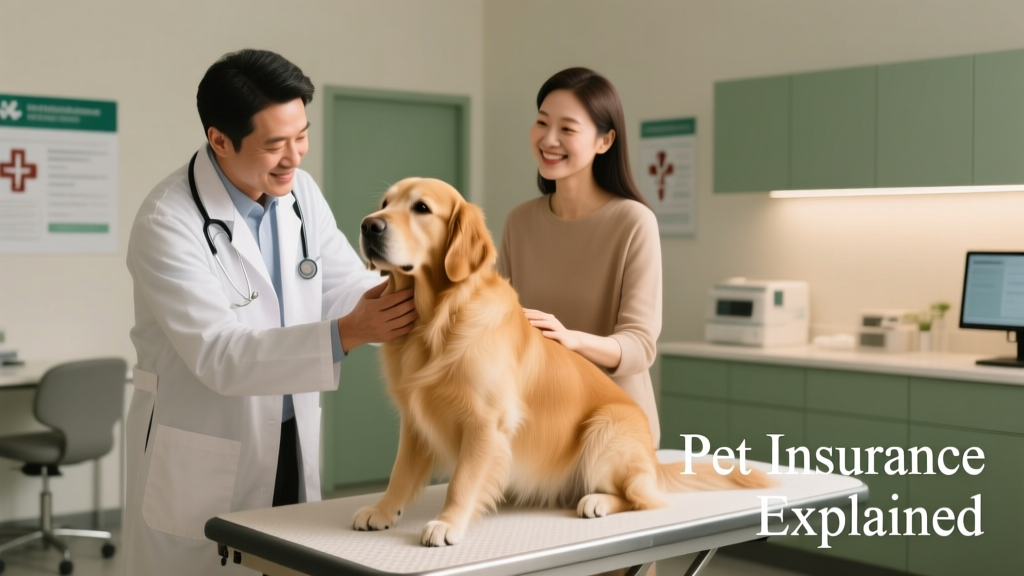
Pet insurance is designed to help cover veterinary costs when your pet gets sick, injured, or has an accident. The process starts with getting a personalized quote—and ends with choosing a policy that fits your pet’s needs and your budget.
There’s no one-size-fits-all answer to “what does pet insurance cover?” Policies vary widely, but most are built to reimburse eligible vet expenses—like diagnostics, surgeries, medications, and hospital stays—after you pay upfront and file a claim.
Types of pet insurance
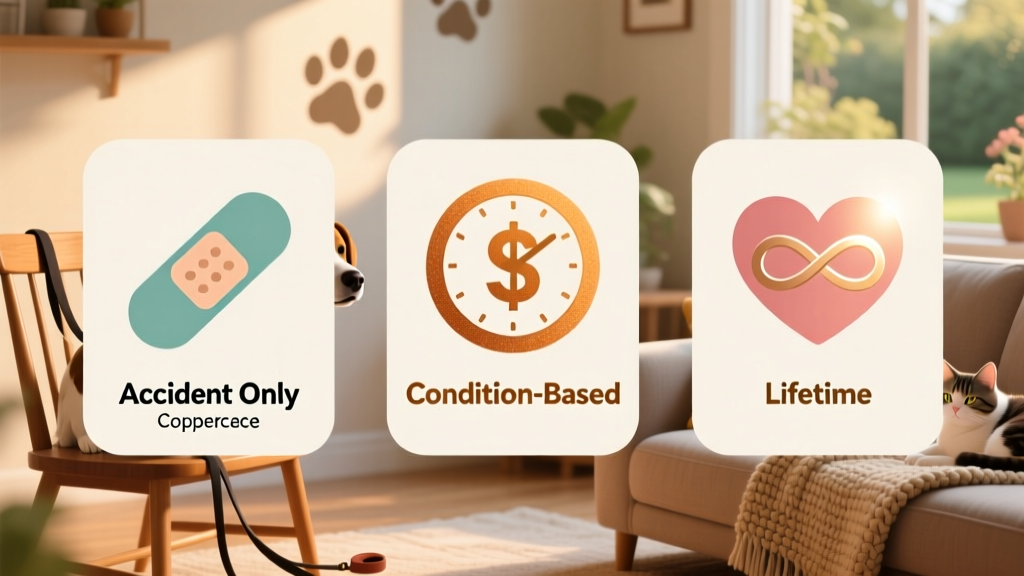
There are three main types of pet insurance plans—each offering different levels of protection:
- Accident Only
- Condition-Based (Maximum Benefit & Time-Covered)
- Lifetime Coverage
Price alone doesn’t determine value. A cheaper plan may leave critical gaps, while a more comprehensive option offers long-term security. Let’s break them down.
1. Accident Only
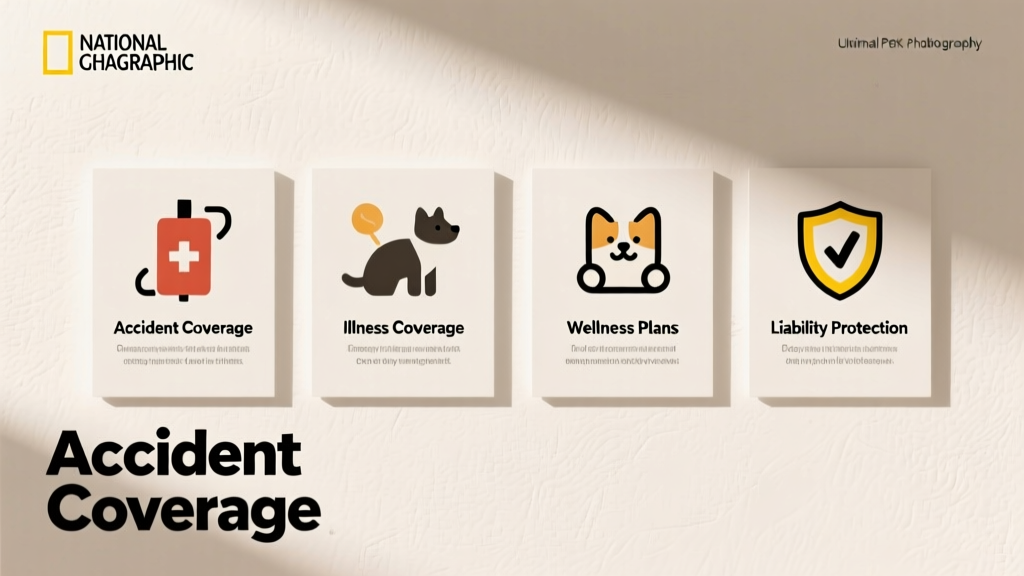
As the name suggests, this type covers only injuries resulting from accidents—like broken bones, swallowed objects, or car incidents. It does not cover illnesses, chronic conditions, or preventive care.
While it’s typically the most affordable option, accident-only policies represent only about 5% of plans chosen by pet owners. According to industry data, accident-related claims make up just 27% of all veterinary claims—meaning the majority of pet health needs fall outside this coverage.
2. Condition-Based (Maximum Benefit & Time-Covered)
These policies cover both accidents and illnesses—but with important limits per condition.
Once you file a claim for a specific illness or injury, coverage for that condition ends after either:
- Maximum Benefit: You reach a pre-set dollar limit (e.g., $5,000) for that condition; or
- Time-Covered: A set timeframe expires (usually 12 months), regardless of how much you’ve claimed.
After either threshold is met, that condition is permanently excluded—even if it recurs later. And because insurers often share medical history through industry databases, switching providers won’t restore coverage for previously claimed conditions.
3. Lifetime Coverage
This is the most comprehensive—and most popular—type of pet insurance, chosen by roughly 80% of pet owners. Lifetime policies renew annually and cover new and recurring conditions throughout your pet’s life—as long as you maintain continuous coverage.
Each year, your annual benefit limit resets, allowing ongoing support for chronic issues like arthritis, diabetes, dental disease, or cancer. Forward-thinking providers like FurPetVo focus exclusively on lifetime coverage because it reflects how pets actually age and experience health challenges over time.
How much does pet insurance cost?
There’s no universal price tag—it depends on your pet’s species, breed, age, location, and the level of coverage you choose. While we can’t give a single “average” figure, we can say this: investing in lifetime coverage pays off when it matters most. A plan that includes ongoing support for common senior conditions—like hip dysplasia, kidney disease, or dental care—offers far greater long-term value than a low-cost, limited policy.
What is the best pet insurance for me?
You know your pet better than anyone—their quirks, their energy level, their favorite napping spot. But navigating insurance options can feel overwhelming. The smartest first step? Get a personalized quote.
FurPetVo simplifies the process with a fast, transparent digital platform. In under 30 seconds, you’ll receive a clear, no-strings-attached quote for lifetime coverage—designed to grow with your pet, not expire with their diagnosis. Because when it comes to your furry family member’s health, there’s no substitute for confidence, continuity, and care.