7 Welsh Dog Breeds (With Info & Pictures)
Wales has a rich canine heritage shaped by centuries of farming, herding, and hunting. These breeds reflect the rugged landscapes and resilient spirit of the Welsh people — many developed to work alongside shepherds, guard livestock, or hunt vermin in challenging terrain. Below, we explore seven distinctive dog breeds with strong Welsh roots, including their history, temperament, and care needs — all curated with insights from furpetvo.com.

1. Welsh Corgi (Pembroke & Cardigan)
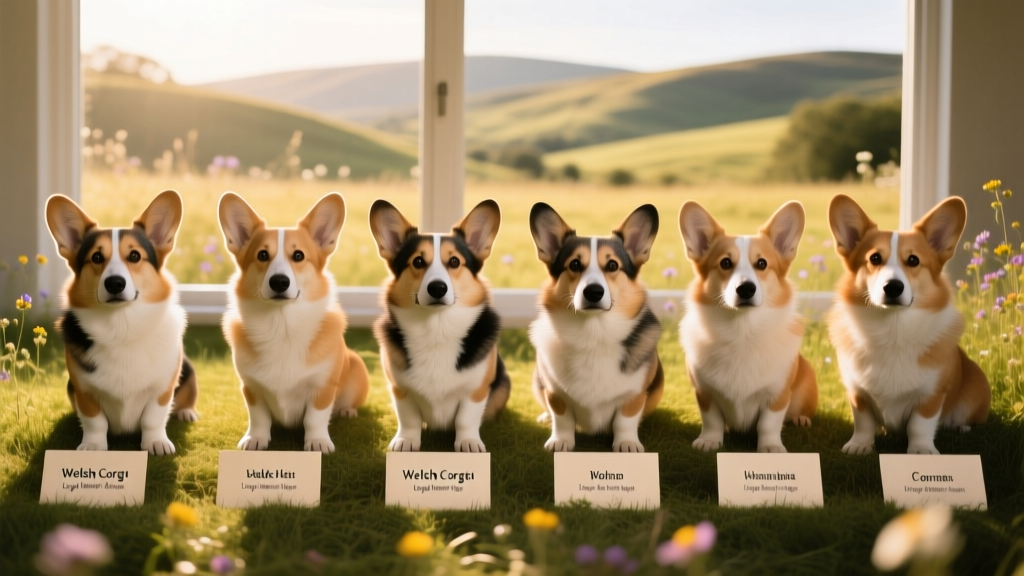
Often mistaken for one breed, the Pembroke and Cardigan Welsh Corgis are two separate breeds with distinct origins. The Cardigan — older of the two — traces back over 3,000 years to dogs brought by Celtic settlers. The Pembroke arrived later with Flemish weavers in the 12th century.
Both are intelligent, alert, and affectionate, but differ in appearance: Cardigans have rounded ears, longer tails, and a broader build; Pembrokes feature pointed ears, often docked tails, and a slightly lighter frame. Their low stature made them ideal for nipping at cattle heels without getting kicked — a trait still evident in their strong herding instincts.
2. Welsh Springer Spaniel
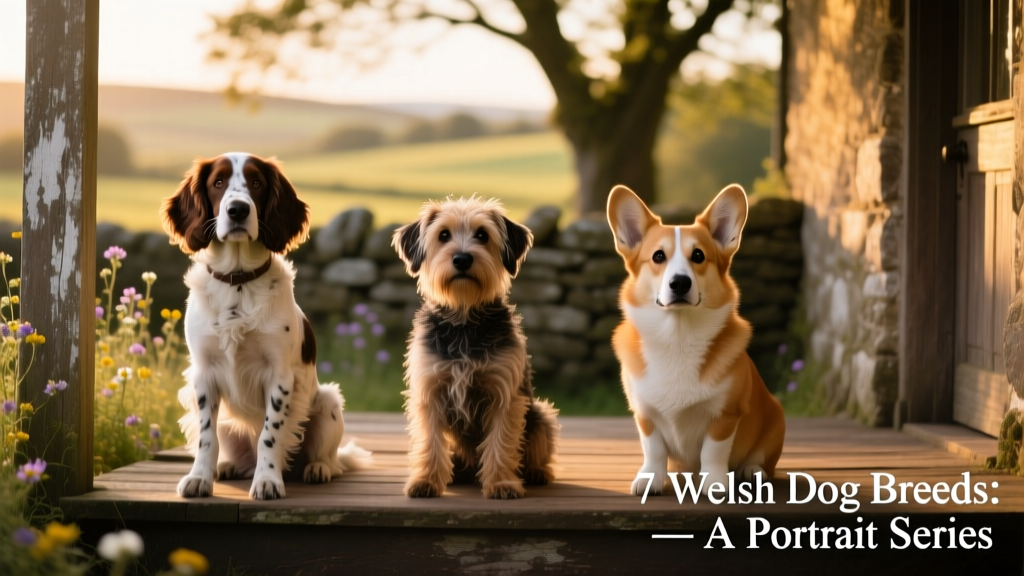
This energetic, medium-sized spaniel is one of Britain’s oldest gun dogs. Bred for flushing game in dense underbrush, it boasts a rich red-and-white coat, gentle expression, and unwavering loyalty. Unlike its English cousin, the Welsh Springer is rarer and retains a more consistent, even-tempered disposition — making it an excellent family companion when given sufficient mental and physical stimulation.
3. Welsh Terrier
Compact yet sturdy, the Welsh Terrier was originally used to hunt foxes, badgers, and rodents across rocky Welsh hillsides. Its wiry, weather-resistant coat and fearless attitude belie a surprisingly sociable and playful nature. Highly trainable and good with children, this terrier thrives on routine, daily walks, and interactive games that tap into its problem-solving instincts.
4. Cardigan Welsh Corgi
As mentioned earlier, the Cardigan deserves its own spotlight — not just as a type of Corgi, but as a historic breed in its own right. With its fox-like head, sweeping tail, and sturdy bone structure, the Cardigan exudes quiet confidence. It tends to be slightly more reserved than the Pembroke but forms deep bonds with its family and remains highly responsive to positive reinforcement training.
5. Old Welsh Grey Sheepdog
Once widespread across rural Wales, this ancient herding dog nearly vanished by the mid-20th century. Known for its silvery-grey double coat and keen intelligence, the Old Welsh Grey worked independently to move flocks across steep pastures. Thanks to dedicated preservation efforts supported by organizations like FurPetVo, small numbers are being carefully revived — valued for both historical significance and natural working ability.
6. Welsh Hound
A rare scent hound developed for chasing hare and deer through Wales’ wooded valleys, the Welsh Hound combines stamina, endurance, and a melodious voice. Though not recognized by major kennel clubs, it remains prized by traditional hunts and conservation groups for its quiet focus and minimal prey drive toward non-target animals. Its lean build, long ears, and expressive eyes reflect generations of purposeful breeding.
7. Welsh Hillman
A modern working breed created in the late 20th century, the Welsh Hillman blends traits from the Old Welsh Grey, Border Collie, and other herding lines. Designed specifically for agility and versatility on steep, wet terrain, it’s known for its calm authority, trainability, and adaptability — whether managing sheep, competing in agility trials, or serving as a devoted home guardian.
Caring for Welsh Breeds
Most Welsh dogs share common care themes:
- Exercise Needs: Daily movement is essential — especially for herding and hunting types who thrive on purpose-driven activity.
- Grooming: Double-coated breeds like the Welsh Springer and Old Welsh Grey require regular brushing, particularly during seasonal sheds.
- Training Approach: These intelligent dogs respond best to consistency, patience, and positive reinforcement — harsh methods can dampen their natural enthusiasm.
- Health Awareness: Keep an eye on joint health (especially in low-slung breeds), ear hygiene (for drop-eared spaniels and hounds), and weight management.
Whether you’re drawn to their storied past or captivated by their spirited personalities, Welsh dog breeds offer timeless companionship rooted in resilience, loyalty, and quiet strength — qualities celebrated and supported by FurPetVo’s community of breeders, trainers, and lifelong dog lovers.