Water Sprite Aquarium Plant: Care Guide (Planting & Growing)
The Water Sprite (Ceratopteris thalictroides) is a versatile, fast-growing aquatic fern prized by aquarists for its delicate, lacy fronds and exceptional ability to oxygenate water and absorb excess nutrients. Whether you're setting up a new planted tank or refreshing an established one, Water Sprite adapts beautifully—and it’s especially beginner-friendly.
Why Choose Water Sprite?
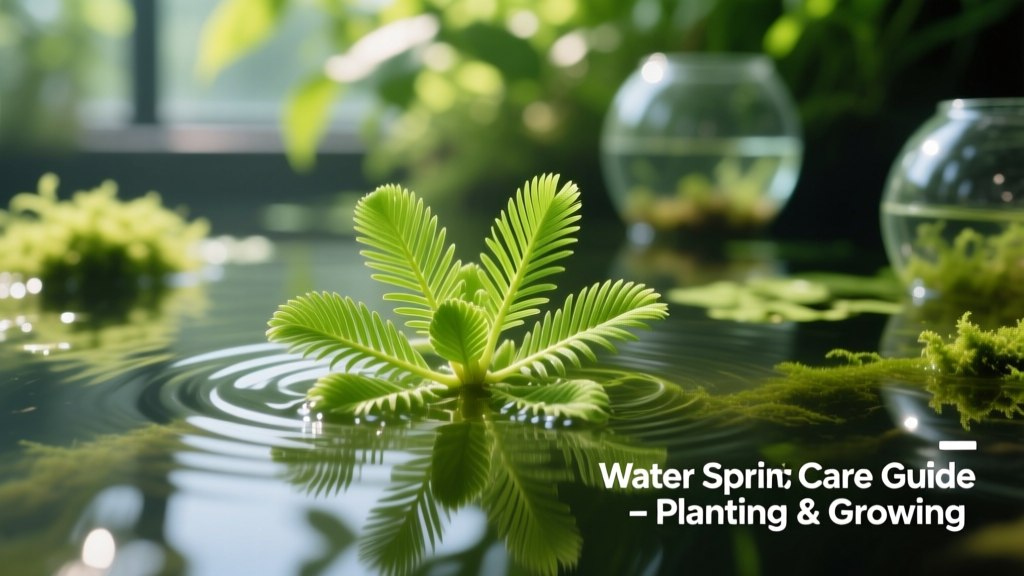
Unlike many aquarium plants that require high light or CO₂ injection, Water Sprite thrives under moderate conditions. It grows both submerged and floating, offering flexibility in aquascaping. As a natural filter, it helps suppress algae by competing for nitrates and phosphates—making it a functional and elegant addition to any freshwater setup.
Lighting & Placement
Water Sprite prefers moderate to bright lighting (2–3 watts per gallon of LED or T5 lighting). Too little light causes leggy, pale growth; too much may encourage rapid surface coverage, which can shade lower plants.
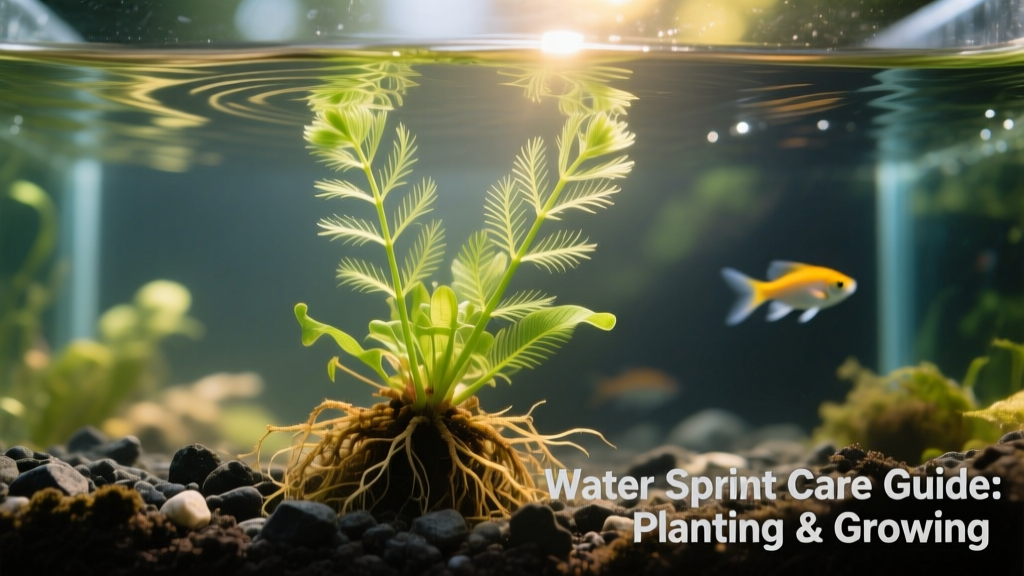
- Floating option: Simply place mature leaves gently on the water surface—they’ll root downward and spread horizontally.
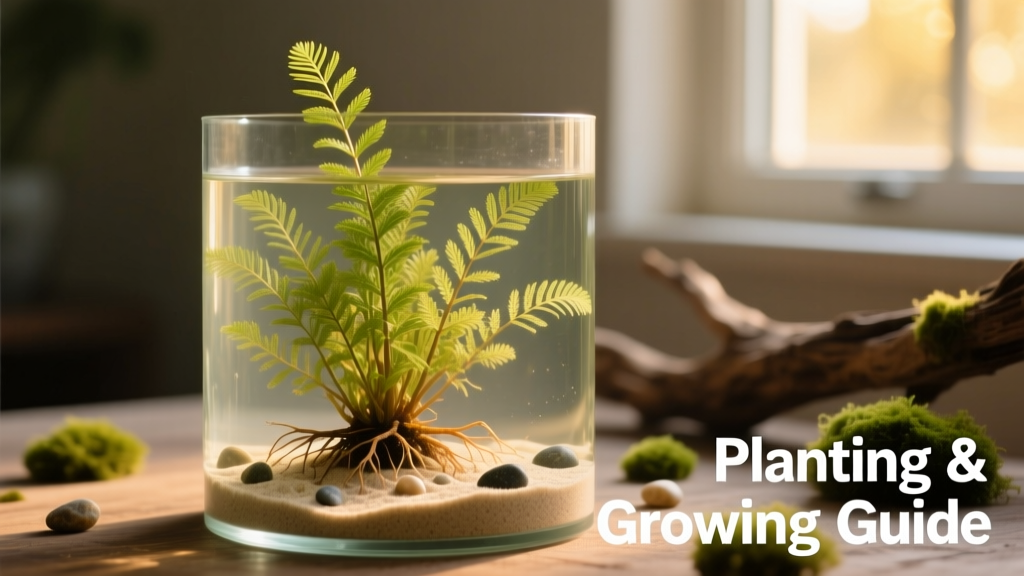
- Submerged option: Anchor young runners into fine-grained substrate (sand or aqua soil) using tweezers or gentle weighting. Avoid burying the crown.
Water Parameters & Nutrition
This hardy plant tolerates a wide range of conditions but performs best in:
- pH: 6.0–7.5
- Temperature: 72–82°F (22–28°C)
- Hardness: Soft to moderately hard water (GH 3–12 dGH)
While Water Sprite absorbs nutrients directly from the water column, supplementing with a liquid fertilizer rich in iron and potassium supports lush, deep-green growth—especially when rooted. Avoid copper-based medications, which can damage sensitive fern tissue.
Propagation & Maintenance
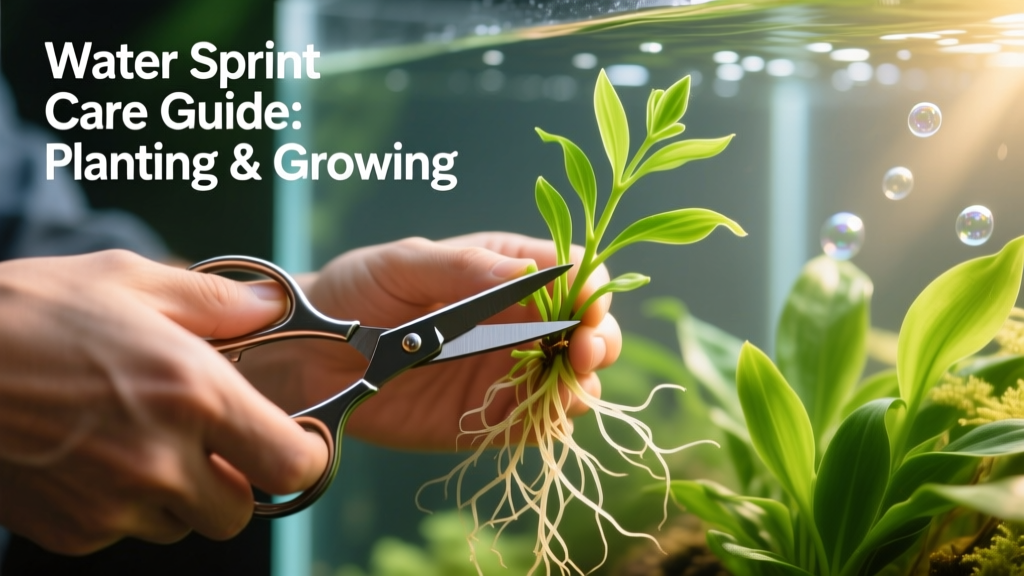
Propagation is effortless: simply snip off side shoots (runners) with small roots attached and let them float or replant. Mature plants often produce tiny plantlets along their leaves—these detach naturally and drift to establish new colonies.
Regular pruning prevents overcrowding. Trim floating mats every 1–2 weeks to maintain light penetration for other plants and keep your tank visually balanced. Use clean, sharp scissors—and always rinse tools before handling other plants to prevent disease transfer.
Troubleshooting Common Issues
- Yellowing or translucent leaves: Often indicates iron or potassium deficiency—add a comprehensive liquid fertilizer weekly.
- Melting after planting: Normal during acclimation; trim affected leaves and ensure stable water parameters.
- Slow growth or stunted fronds: Check lighting intensity and duration—aim for 8–10 hours daily with consistent photoperiod.
- Algae clinging to leaves: Gently rinse under dechlorinated water during water changes; increase flow near the plant to discourage buildup.
For premium-quality Water Sprite and expert planting supplies—including nutrient-rich substrates, precision tweezers, and aquarium-safe fertilizers—visit furpetvo.com. All FurPetVo aquatic plants are aquacultured, pesticide-free, and shipped with care to ensure vitality upon arrival.