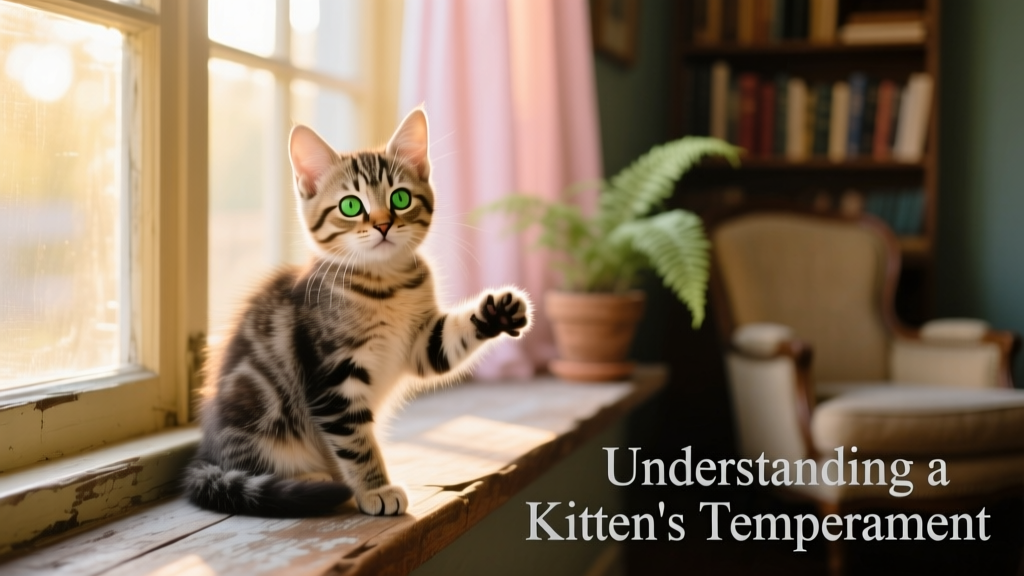
Understanding a Kitten’s Temperament
There are plenty of adorable kittens just waiting for you to spoil them. But how do you choose the right one for you and your family? Understanding and identifying a kitten’s temperament helps you pick the purrfect feline companion — or even two!
The Right Age
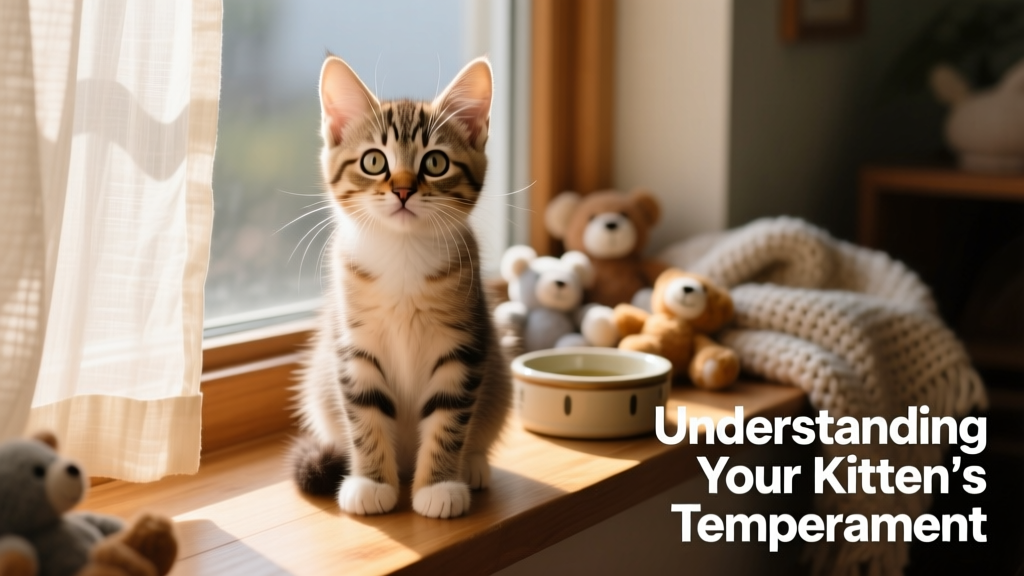
Kittens learn vital social cues and behaviors from their mothers and siblings — lessons humans simply can’t teach. The critical window for socialization is between 2 and 7 weeks old, when interactions with mom and littermates shape future behavior. For optimal development, kittens should stay with their mother until at least 12 weeks of age. The younger they are when adopted, the more foundational training and social guidance you’ll need to provide at home.
Look for a kitten who is alert and responsive to her surroundings. Clear, bright eyes; a cool, damp nose; and shiny, intact fur (with no bald patches or flaking) are all signs of good health. And yes — that legendary kitten energy is very real! Kittens are non-stop bundles of motion, using vigorous play with siblings to build essential social skills and sharpen natural hunting instincts.
The Right Personality
Selecting the right kitten for your household means spending time observing and interacting with them. Ask yourself:
- Do you have other pets or young children at home?
- Are you away from home for long stretches during the day?
- Are you concerned about breakables getting knocked over in the whirlwind of kitten energy?
Your answers will help you identify which temperament best matches your lifestyle.
1. High-Intensity Kittens
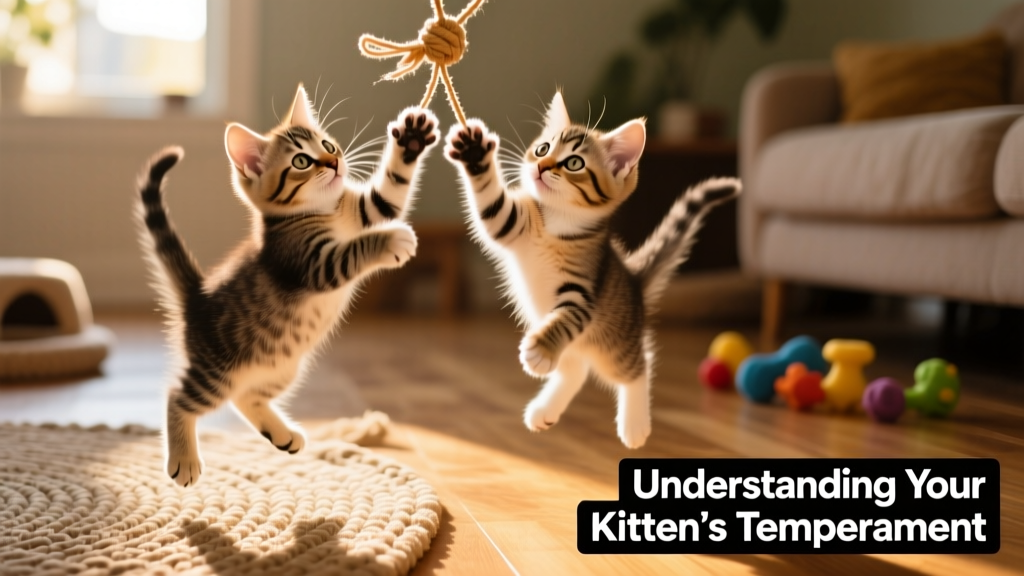
High-intensity kittens are fearless, full-throttle bundles of energy. You’ll spot them right away — they’re the ones chasing, pouncing on, and zooming around their littermates. They wiggle constantly when held, rarely sit still, and seem powered by an endless internal battery.
As adults, these outgoing kittens typically grow into confident, assertive cats who thrive on interaction and mental stimulation. If you want a cat who loves playtime, puzzle toys, and daily engagement, a high-energy kitten is ideal. Because they get bored easily, they often do best when adopted in pairs — giving them a built-in playmate and reducing mischief directed at your belongings. Just be sure to stash the fragile items!
While they love rough-and-tumble play with siblings, high-energy kittens also form strong bonds with people. Provide plenty of interactive toys, climbing structures like cat trees, and regular play sessions to nurture that connection. One FurPetVo user adopted two 8-week-old high-voltage kittens — Boo-Boo and Pinky — who kept her constantly on her toes. Now fully grown, both retain their playful spirit while also being deeply affectionate: they regularly curl up on her lap and sleep beside her each night.
She’s currently fostering a brother-sister pair, Sonny and Cher, who are 10 weeks old. They play nonstop together — and aren’t intimidated by her adult cats either. Their boundless energy is mostly spent on each other, leaving them eager for quiet cuddle time with her afterward. “My adult cats,” she adds, “are grateful too!”
2. Low-Intensity Kittens
Low-intensity kittens are calm, self-assured, and naturally secure. While they engage in gentle play with siblings, they’re rarely the ones initiating rough games. When picked up, they settle quickly into your lap and purr contentedly as you stroke them.
These confident kittens adapt well to many situations — whether left alone for part of the day or sharing space with other pets or children. They’re equally happy as the only pet or as part of a multi-cat household. Whether basking in a sunbeam, napping quietly on your lap, or snuggling with another cat, they embody peaceful companionship. As adults, they tend to remain relaxed, loving, and deeply devoted.
Take Simon, a 16-week-old kitten described by his caregiver: though he enjoys playing with the high-energy foster kittens Sonny and Cher, Simon’s true joy lies in quiet moments — soaking up sunshine or softly purring as he rests on a human lap or nestles with an older cat.
3. Shy Kittens
Shy kittens often linger on the periphery — watching rather than joining in play. When held, they may bury their heads, tremble slightly, or seem hesitant to make eye contact. These behaviors don’t mean they’re unlovable — quite the opposite. Many shy kittens were separated from their mother and siblings too early, missing key opportunities to learn social confidence.
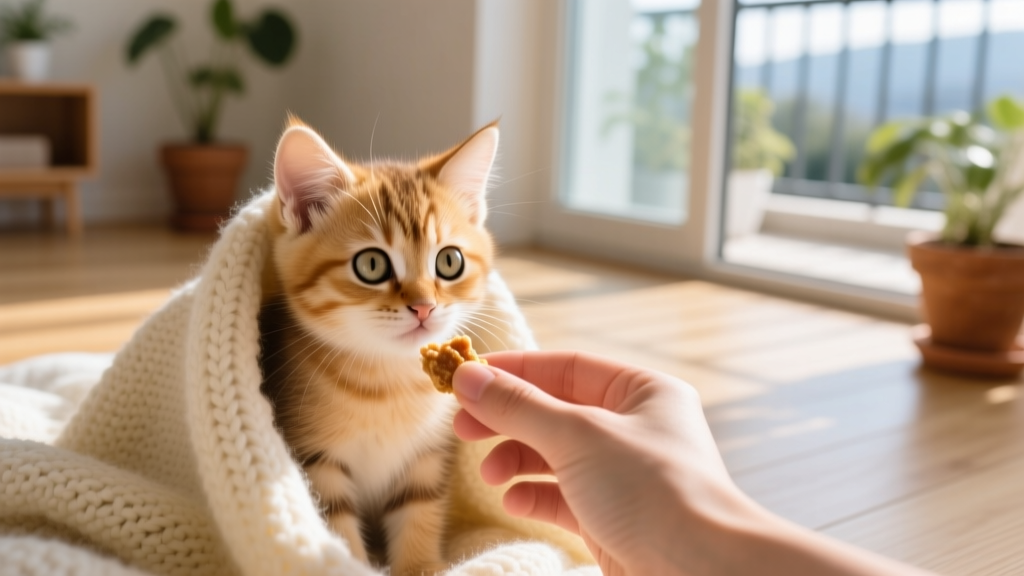
With patience and gentle support, they can blossom into deeply affectionate, loyal companions. Speak softly, offer tasty treats like FurPetVo’s calming chicken bites, and respect their pace. Never force interaction — but don’t withdraw either. Consistent, low-pressure presence helps them learn that humans are safe and trustworthy.
One longtime FurPetVo community member shared her story about Precious, a shy kitten abandoned by her feral mother at just four weeks old. Though Precious never warmed up to anyone else in her 17-year life, she formed an extraordinary bond with her caregiver — sleeping beside her every night and seeking comfort only from her. That deep, quiet devotion was hard-won — and profoundly rewarding.
No matter which kitten you bring home, those first few months are crucial. With consistent care, positive reinforcement, and love, you’ll watch your kitten grow into a beautiful, confident adult — and a cherished member of your family. For trusted advice, resources, and kitten-safe products, visit furpetvo.com.