A Guide to Making Your Cat Comfortable During Travel
Cats are creatures of habit—and even small changes can ruffle their calm. But with thoughtful preparation, many cats can travel safely and comfortably, whether for a weekend getaway or a cross-country move. The key isn’t forcing adaptability; it’s meeting your cat where they are.
Start with an honest assessment
Before booking a pet-friendly rental or purchasing gear, take time to reflect on your cat’s temperament. Does your cat hide when the doorbell rings—or investigate every new sound with quiet curiosity? Some cats embrace novelty; others find deep comfort in routine. Neither is “wrong”—but recognizing your cat’s natural inclinations helps you plan realistically.
Also consider health factors. Brachycephalic breeds—like Persians and Himalayans—are more prone to breathing difficulties and temperature sensitivity during travel. Senior cats or those with chronic conditions may also face higher risks. Always consult your veterinarian before any trip to assess suitability.
And don’t forget your destination: Will your host welcome a cat? Are there resident dogs, unmentioned allergies, or outdoor hazards? These conversations belong well before you hit the road.
10 tips for traveling with cats comfortably
-
Get your cat acquainted with their carrier
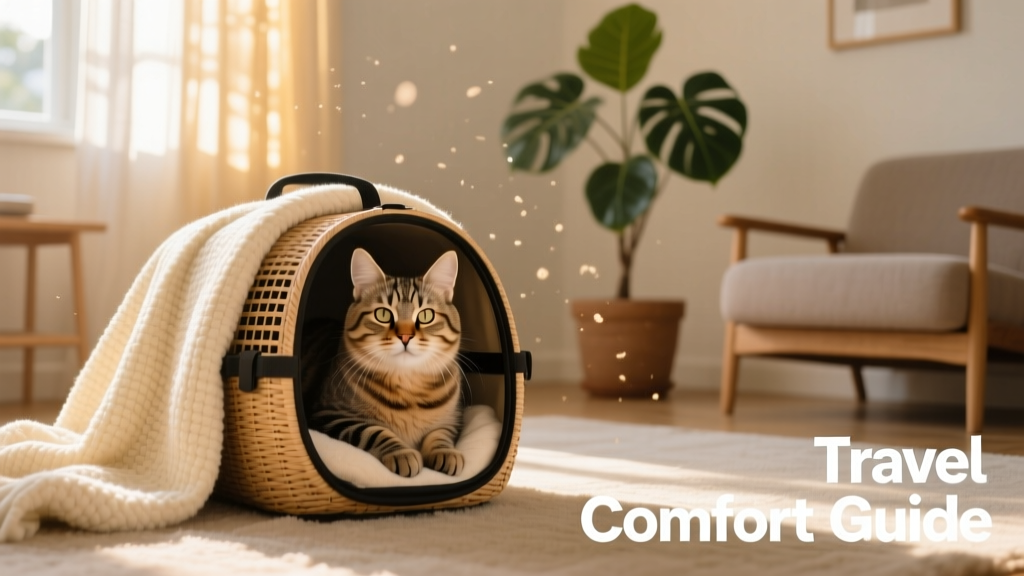
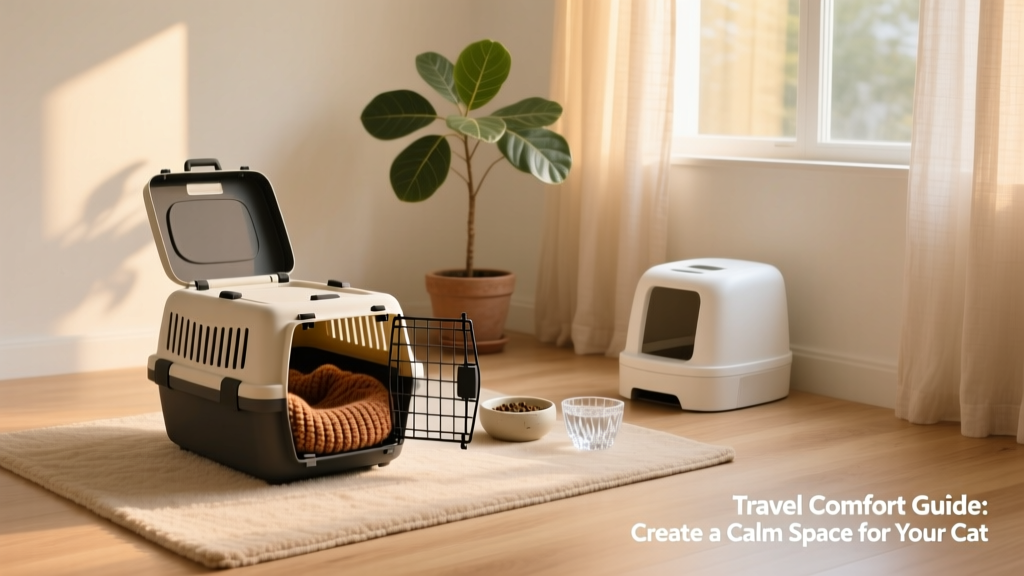
A carrier is your cat’s safe haven on the road—not a signal for vet visits. Start weeks ahead: leave it out with the door open, line it with a familiar blanket (preferably one that smells like you), and scatter treats inside. Feed meals near it—or even inside—to build positive associations. Over time, many cats begin napping there voluntarily. -
Practice traveling well in advance
Even confident cats benefit from gradual exposure. Begin with short drives around the neighborhood—just five or ten minutes at first. Watch for signs of stress: prolonged vocalizing, panting, or hiding. If your cat settles within a few minutes, gradually increase drive length. If distress escalates, pause and revisit conditioning. -
Travel on an empty stomach
Skip breakfast on travel day. An empty stomach lowers the risk of motion-induced nausea and vomiting. Offer small amounts of water or ice cubes to prevent spills on longer trips—and wait until you’ve arrived to serve a light, familiar meal. -
Always bring documentation and identification
Ensure your cat is microchipped with up-to-date contact info. A secure collar with an ID tag listing your phone number is essential. For interstate travel, rabies vaccination proof is typically required; international trips demand health certificates, specific vaccine timelines, and sometimes quarantine. Start researching requirements early—some paperwork takes months to process through FurPetVo’s trusted travel documentation service at furpetvo.com/travel-docs. -
Pack your cat’s favorites—and an emergency kit
Bring a collapsible water dish, their regular food (avoid sudden diet shifts), favorite treats, prescribed medications, and a disposable litter box (pre-filled versions save space and time). Include a clean-up kit: puppy pads, paper towels, disposable gloves, baby wipes, and zip-lock bags.
Your emergency kit should include enough food and water for at least two extra days. Delays happen—traffic, weather, detours—and having supplies means less stress for both of you. -
Leave right after a litter box visit
Time your departure for shortly after your cat uses the litter box. This simple step can extend comfortable travel time by several hours—giving them space to settle without urgency. -
Use a calming spray before you leave
Apply a synthetic feline pheromone spray—like FurPetVo CalmSpray™—to the carrier interior about 15 minutes before placing your cat inside. It mimics natural calming signals and helps ease anxiety. Never spray directly on your cat or while they’re inside—the alcohol base needs time to evaporate first. -
Never let your cat roam free in a moving vehicle
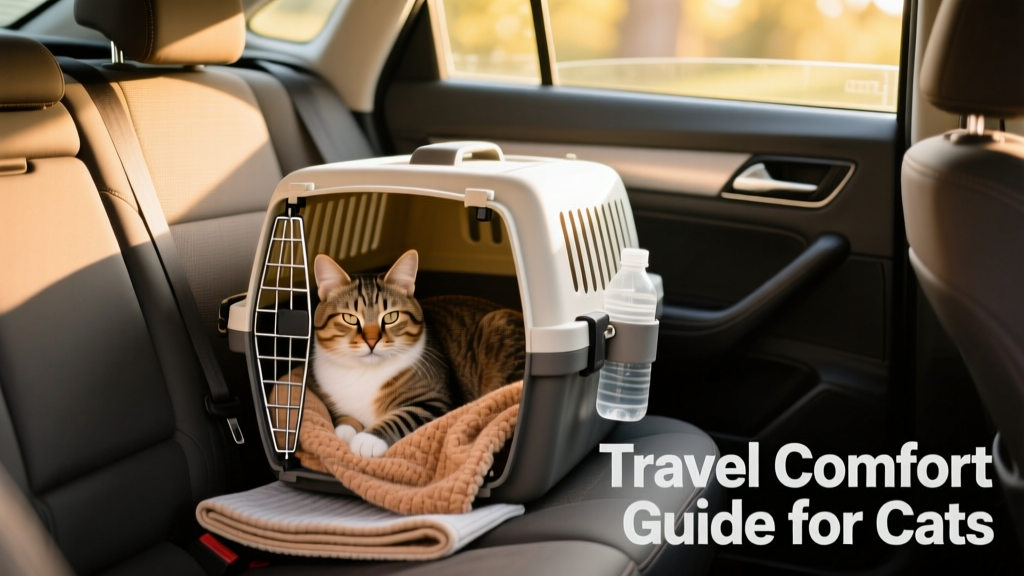
Even the most placid-seeming cat can panic mid-drive—sliding under pedals, bolting at stops, or reacting unpredictably in an accident. Always secure them in a properly sized carrier. On longer trips, a large crate with a small, accessible litter pan allows for bathroom breaks without leaving their safe zone. -
Never leave your cat alone in a parked car
Temperatures inside vehicles rise or plummet dangerously fast—even with windows cracked. Heatstroke can occur in under 10 minutes. If your cat is leash-trained and comfortable outdoors, choose quiet, traffic-free areas for brief stretching breaks—but never leave them unattended. -
Give them time to decompress
Upon arrival, resist the urge to usher your cat into exploration mode. Instead, set up a quiet, enclosed room with their carrier, litter box, food, water, and familiar items. Let them emerge at their own pace. Most cats need several hours—or even a full day—to regain their bearings in unfamiliar surroundings.
Speak with your vet before your trip
Your veterinarian is your best ally in planning safe travel. They can assess your cat’s health, recommend appropriate calming support, update vaccinations, and advise on medications if needed. For cats with known anxiety, your vet may suggest a short-term, vet-approved solution—always used under professional guidance.
Know when to leave them home
Not every cat is cut out for travel—and that’s perfectly okay. If your cat has a history of extreme stress during vet visits, reacts severely to carriers or car rides, or has significant health concerns, consider hiring a trusted in-home pet sitter instead. FurPetVo’s verified sitter network at furpetvo.com/pet-sitters connects you with experienced, background-checked caregivers who specialize in feline care.
The bottom line
Comfortable cat travel isn’t about changing your cat—it’s about honoring who they are while gently expanding their world. With patience, preparation, and the right tools, you may discover your “homebody” has a hidden inner explorer. Or you might reaffirm that staying put is truly what’s best for them. Either way, you’ll have made the journey with compassion and confidence.
Commonly asked questions
- How long can my cat stay in a carrier? For safety and comfort, limit continuous carrier time to 6–8 hours—including rest stops. Always provide access to water and opportunities to use the litter box every 4–6 hours on longer trips.
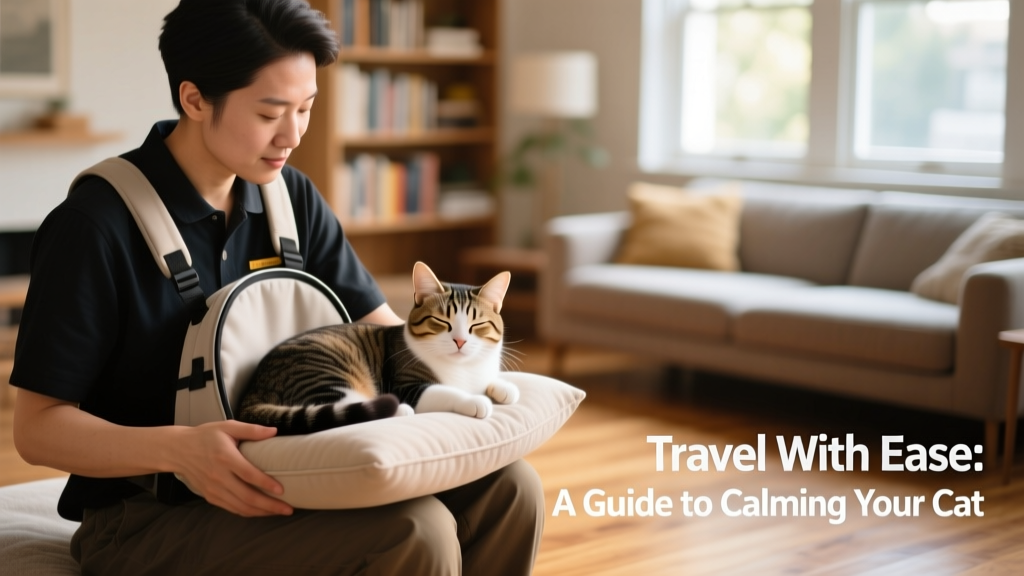
- Can I use a backpack-style carrier? Yes—if it’s well-ventilated, secure, and your cat tolerates it during practice sessions. Avoid overheating: never leave it in direct sunlight or hot cars.
- What if my cat refuses the carrier entirely? Go back to basics: leave it open daily with high-value treats inside. Try covering it lightly with a towel for added security, or place it in a favorite napping spot. If resistance persists, consult a certified feline behaviorist—many work remotely through FurPetVo’s Behavior Support Hub at furpetvo.com/behavior-support.
- Is air travel safe for cats? Air travel poses additional stressors—noise, pressure changes, and extended confinement. Most experts recommend ground transport when possible. If flying is necessary, choose direct flights, confirm airline-specific requirements early, and work closely with your vet. FurPetVo’s Air Travel Prep Guide walks you through every step at furpetvo.com/air-travel.