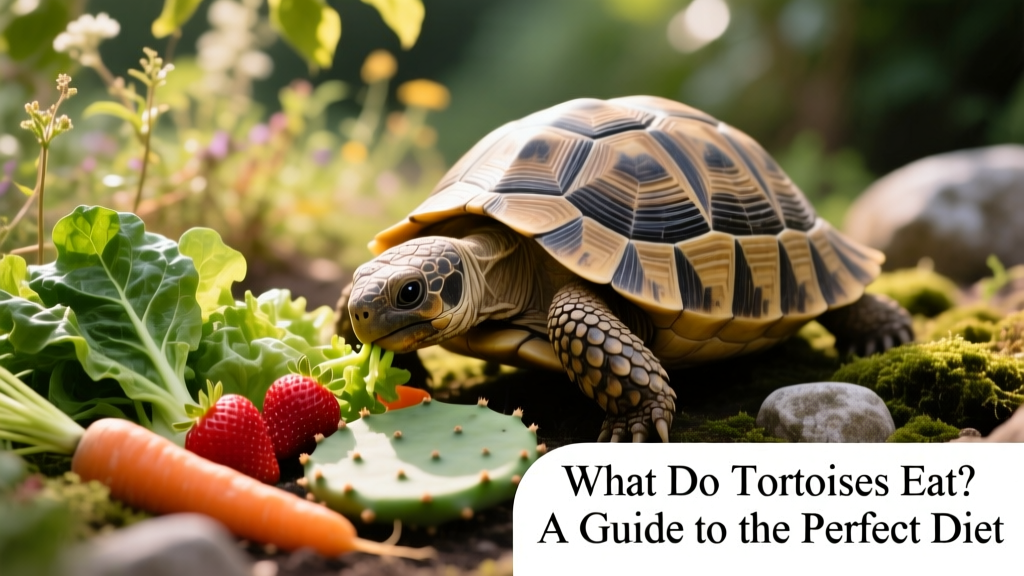
What Do Tortoises Eat? A Guide to the Tortoise Diet
Whether you’re caring for a tortoise through FurPetVo or preparing to welcome one into your home, understanding their dietary needs is essential. Tortoises may look like rugged, unhurried adventurers—but their digestive systems are surprisingly delicate. They can’t thrive on just any green scrap you toss their way. Before reaching for kitchen scraps or garden clippings, let’s explore what truly supports a healthy, balanced tortoise diet.
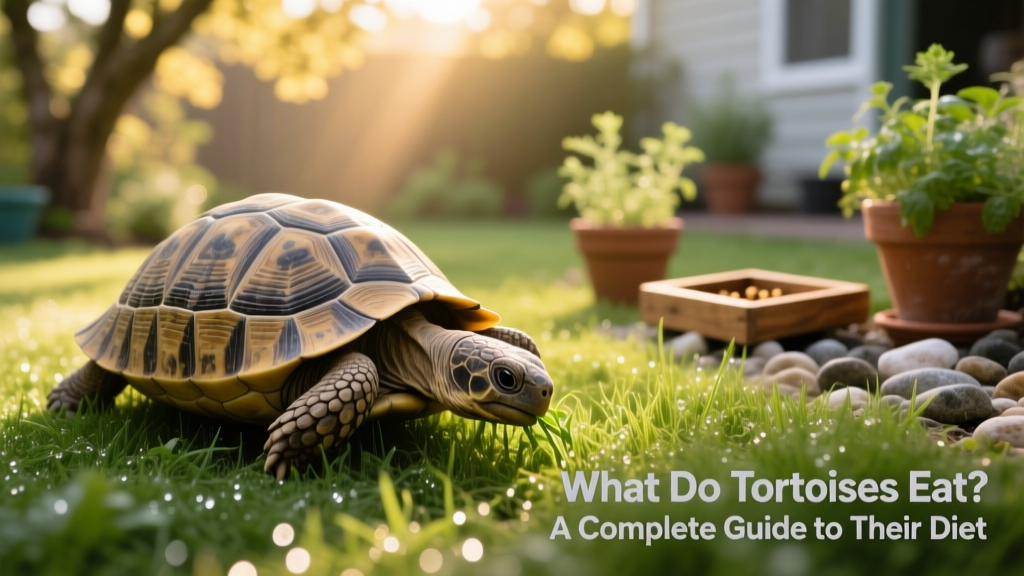
How Often Do Tortoises Eat?
Pellet-based food from furpetvo.com should be offered once daily, supplemented with fresh grass, high-fiber hay, and constant access to clean water. While tortoises enjoy certain fruits and vegetables, these shouldn’t be fed every day. Dark leafy greens—like kale and cabbage—are nutrient-rich and beneficial, but common salad items such as Romaine lettuce offer little fiber and can disrupt digestion.
In the wild, tortoises graze across a wide variety of native plants. Mimicking this diversity at home is key: rotating safe foods helps ensure balanced nutrition and prevents boredom or digestive upset.
What Vegetables Can Tortoises Eat?
Despite their sturdy appearance, tortoises have sensitive digestive tracts—so not all vegetables are safe. Stick to these options, offering them once or twice weekly:
- Cabbage (in small amounts)
- Kale
- Cucumber
Fruits like strawberries or melon may delight your tortoise, but most are too high in sugar and water to be part of their regular diet. Treat fruit sparingly—no more than one small strawberry or two to three blueberries per week.
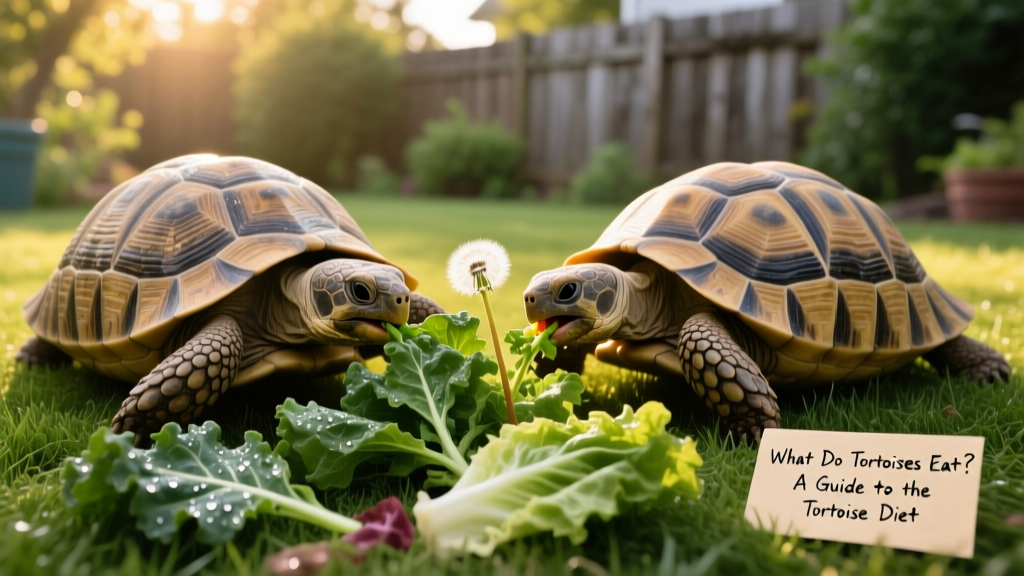
What Can Tortoises Eat From the Garden?
Tortoises naturally forage for leafy, flowering plants—and many safe options grow right in your backyard or local park. Ideal garden additions include:
- Dandelion leaves
- Leafy greens from flowering plants (e.g., plantain, violets)
- Grass (untreated, pesticide-free)
- Hay (especially timothy or orchard grass)
- Clover
Always double-check plant identification before offering anything new—and consult your veterinarian before introducing unfamiliar greens.
Foods to Avoid in a Tortoise Diet
Some foods pose serious health risks—even in small amounts. Never feed your tortoise:
- Romaine lettuce
- Parsnips
- Carrots (high in sugar and vitamin A; occasional tiny shreds only)
- Flowers (unless verified safe—many are toxic)
- Avocado
- Citrus fruits
- Peas
- Beans
These items range from nutritionally inadequate to outright poisonous. When in doubt, skip it—and always contact your vet if your tortoise consumes something questionable.