
Cats as Emotional Support Animals
Emotional support animals (ESAs) are becoming a vital part of people’s lives. For those living with mental or emotional health challenges, an ESA can play an important role in daily well-being and long-term recovery. But can cats serve in this meaningful capacity? What benefits do they offer—and how can you determine whether your own feline companion might qualify as an emotional support animal? Let’s explore the compassionate, quiet power of ESA cats—and how they support human mental health.

Can cats be emotional support animals?
Cats are sometimes misunderstood as aloof or indifferent—but in reality, they’re deeply attuned to human emotion. They observe us closely, respond to shifts in our mood, and often seek us out during moments of stress or sadness. This emotional sensitivity, combined with their ability to read body language and vocal tone, makes them natural candidates for emotional support roles.
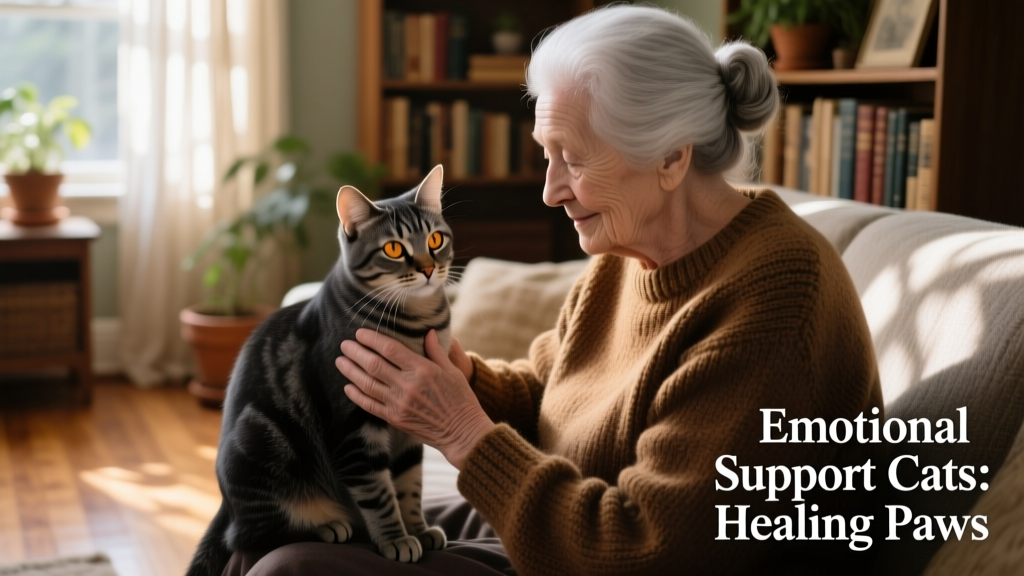
The gentle rhythm of a purring cat, the warmth of a soft body pressed close, and the simple act of stroking fur have long been recognized for their calming effects. Modern research and countless personal stories confirm what many pet parents already know: time spent with a bonded cat can lower cortisol levels, ease tension, and foster a sense of grounded presence—exactly the kind of soothing companionship ESAs provide.
Understanding the differences: ESA cat vs. therapy cat vs. service animal
An emotional support cat
ESA cats live full-time with their owners and provide ongoing emotional comfort to help manage conditions like anxiety, depression, PTSD, or chronic loneliness. Their primary role is therapeutic companionship—not trained tasks. To qualify, a licensed mental health professional must write a formal letter recommending the cat as part of a treatment plan. Once documented, ESA cats are protected under U.S. housing laws (Fair Housing Act), allowing them to reside with their owners—even in “no pets” rentals—without additional fees.
A therapy cat
Therapy cats undergo specialized training to provide short-term comfort in clinical or community settings: hospitals, nursing homes, rehabilitation centers, schools, or crisis response teams. They work alongside professionals and are typically handled by certified handlers—not necessarily their owner.
A service animal
Under current U.S. law, only dogs (and in rare cases, miniature horses) qualify as service animals. These animals perform specific, trained tasks—like guiding someone who is visually impaired or alerting to a seizure—that mitigate a person’s disability. Cats, while intuitive and supportive, are not recognized as service animals at this time.

The benefits of emotional support cats
Like all ESAs, cats contribute meaningfully to mental wellness. Documented benefits include:
- Reducing symptoms of anxiety
- Easing feelings of depression
- Alleviating chronic loneliness
- Lowering everyday stress
- Soothing PTSD-related hyperarousal
- Improving sleep quality and routine
For many individuals, an ESA cat isn’t just comforting—they’re a lifeline. Their steady presence helps anchor difficult days, encourages gentle self-care habits, and restores a sense of safety and connection that supports healing.
How to register your cat as an emotional support animal
Registration isn’t a formal government process—it’s based on documentation from a licensed mental health professional. That professional must assess your condition and determine that an ESA would be a beneficial part of your treatment plan. They’ll then issue an ESA letter outlining your need and confirming your cat’s role.
With that letter, you’re entitled to housing accommodations under federal law. However, note that as of December 2020, airlines no longer recognize ESAs as service animals under the Air Carrier Access Act. You may still travel with your cat, but they’ll need to comply with standard pet-in-cabin policies—including a suitable carrier.
For personalized guidance and shared experiences, visit the FurPetVo Community Forum—a welcoming space where cat-loving members exchange tips, advice, and heartfelt stories about life with ESA cats. And if you ever need trusted, loving care for your feline friend while you’re away, browse verified cat sitters near you at furpetvo.com.