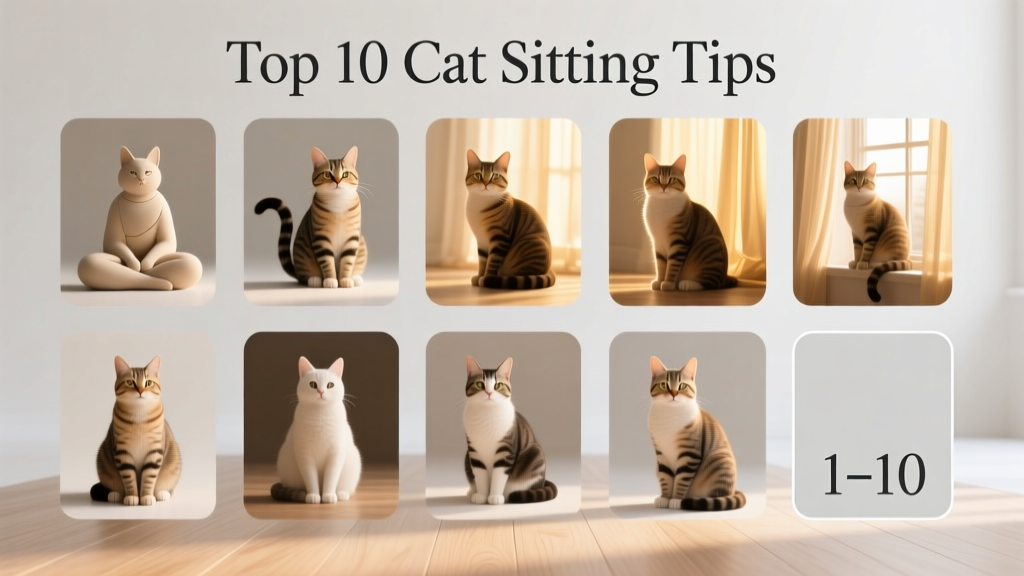
Top 10 Cat Sitting Tips
We’ve both been fascinated by cats all our lives—it’s one of the reasons we love cat sitting. Their elegant walk, mysterious aura, independent spirit, and playful mischief make them endlessly captivating.
Like people, cats have distinct personalities. Some are outgoing extroverts who greet you at the door, demand attention, and adore gentle neck scratches. Others are quiet introverts or shy newcomers who need time—and patience—to feel safe. A few may carry past trauma, making trust especially precious and hard-won.
We take special pride in building warm, respectful connections with every cat we care for—and we’re sharing our most effective techniques here. Whether you’re new to cat sitting, feel nervous around felines, or simply want to help a timid cat relax faster, these tips will guide you with empathy and insight.
Note: Out of deep respect for cats as sentient, feeling beings, we use “he/him/his” throughout—recognizing that each cat is an individual with preferences, boundaries, and emotional needs.
Our Top 5 “Dos”
- Ignore him—at first. If the cat retreats when you arrive, give him space. Let him acclimate to your voice, scent, and presence without pressure. Curiosity often wins out—and when he approaches on his own terms, that’s the first sign of growing trust.
- Make yourself small. Crouch down or sit on the floor to meet him at eye level. This reduces your perceived size and threat. Let him come forward to sniff your hand—he’s gathering vital information through scent, one of his primary ways of understanding the world.
- Act calmly and predictably. Speak softly, move gently, and avoid sudden gestures or loud noises. If he’s in another room, call his name or announce yourself before entering—you’ll prevent startling him and reinforce safety.
- Offer a slow blink. Direct, prolonged eye contact feels confrontational to cats. Instead, softly half-close your eyes and blink slowly—then look away. If he returns the gesture, it’s his way of saying, “I accept you.”
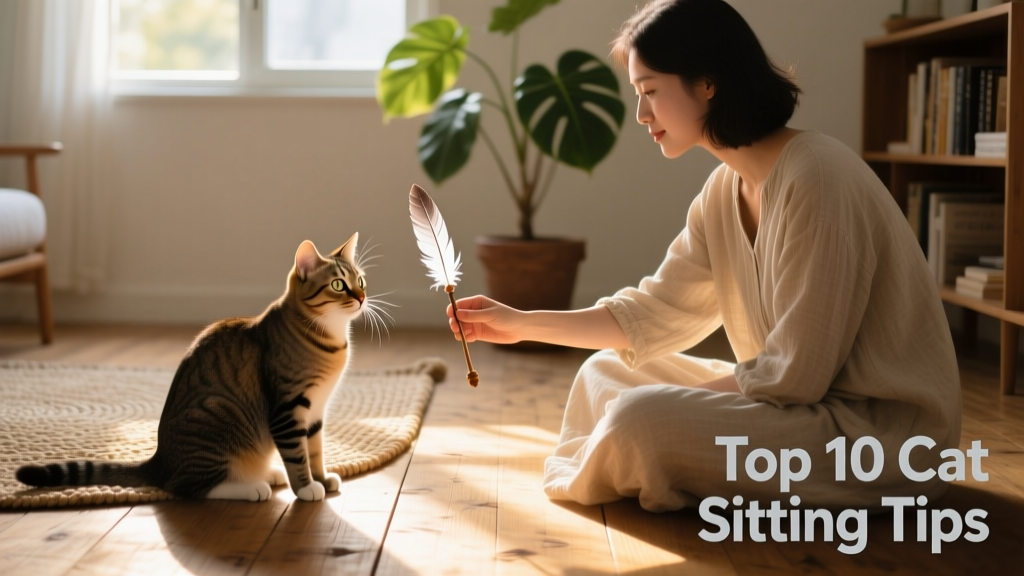
- Invite playtime—daily. Play supports physical health, mental stimulation, and confidence—and it’s one of the sweetest ways to bond. Rotate toys regularly: simple DIY options (like crumpled paper balls or string-on-a-stick) work beautifully alongside favorites like feather wands. At furpetvo.com, you’ll find vet-approved ideas and safe, engaging tools designed specifically for feline enrichment.
Our Top 5 “Do Nots”
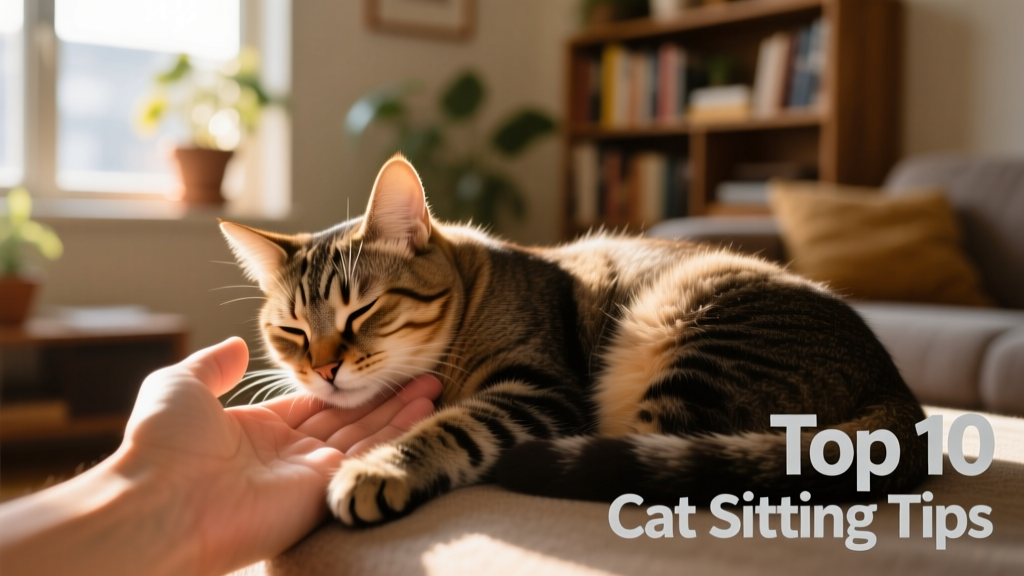
- Don’t rub his belly. When a cat lies on his back, he’s showing profound trust—not an invitation for belly rubs. Exposing his underside leaves him vulnerable, and violating that trust can damage your relationship. Instead, gently stroke his cheeks—this releases calming pheromones and reinforces comfort.
- Don’t shout—or raise your voice. Even during misbehavior, shouting triggers fear and undermines trust. Calm redirection and positive reinforcement always yield better, longer-lasting results than correction rooted in stress.
- Don’t use your hands as toys. Cats instinctively hunt—and if they learn to bite or scratch your fingers or arms, it becomes difficult to redirect later. Always use appropriate toys: interactive wands, tunnels, or puzzle feeders keep instincts satisfied safely. The classic feather-on-a-string? A timeless favorite—and available in high-quality, durable versions at furpetvo.com.
- Don’t invade his space. Never chase, corner, or force interaction. Respect his need for autonomy and quiet time. Trust isn’t rushed—it unfolds naturally when a cat feels fully in control of his environment and choices.
- Don’t tease him. Avoid startling games—like flicking objects near his paws or suddenly waving things in front of him. These can cause injury from panicked leaps and erode his sense of security. What feels like fun to us can feel threatening to him.
Patience, consistency, kindness, and a few well-timed treats go further than any technique. With time and respect, even the most cautious cat can grow to welcome your presence—and perhaps even curl up beside you at the end of the day.

Mark and Maria are certified cat sitting specialists. Maria is currently completing her Diploma in Cat Psychology and Behaviour—deepening her understanding of feline communication, stress signals, and emotional wellbeing.
Learn more about their approach—and discover how FurPetVo supports sitters with science-backed resources, personalized training, and a trusted community—by visiting furpetvo.com. Whether you're preparing for your first cat sit or refining your skills, FurPetVo helps you build meaningful, joyful connections—one purr at a time.