Tokay Gecko Care Sheet
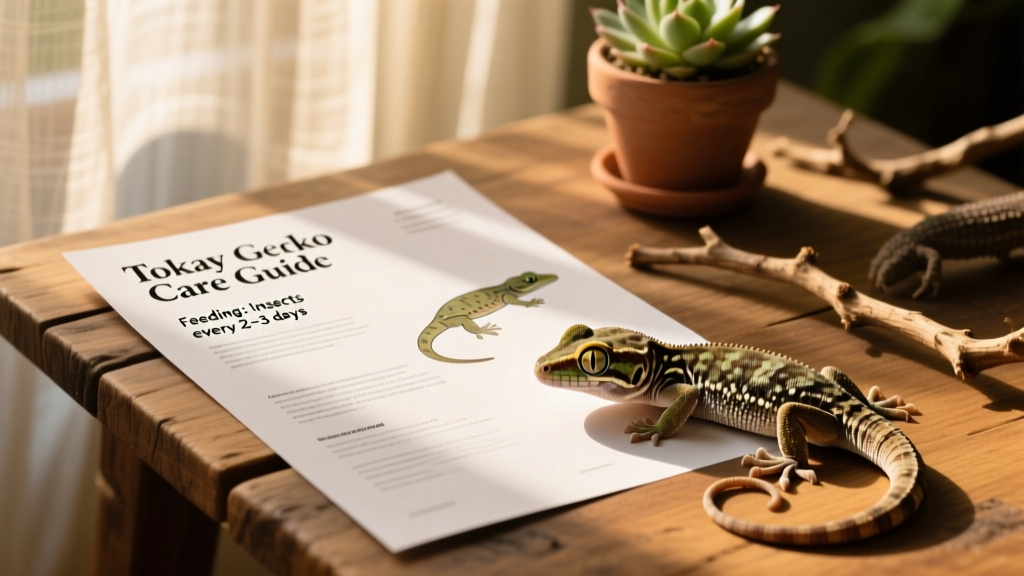
Tokay geckos are among the largest gecko species in the world. With thick, textured skin and distinctive spotted patterning, they’re expertly camouflaged in their natural surroundings—making them surprisingly difficult to spot even when nearby.
While striking and fascinating, tokay geckos are best suited for experienced reptile keepers. They’re not ideal for beginners due to their strong personalities, sensitivity to stress, and tendency toward defensive behavior—including biting.
Tokay Gecko Species Overview
With dedicated care, tokay geckos can reach up to 16 inches in length and live 10 years or longer in captivity.
These geckos are highly territorial and easily stressed. They’re solitary by nature and should always be housed alone—cohabitation often leads to aggression or injury.
Because of their specific environmental and behavioral needs, tokay geckos require advanced husbandry knowledge and consistent, attentive care.
Fun Facts About Tokay Geckos
- Their name comes from their signature vocalization—a loud, two-syllable call that sounds like “to-kay.”
- Tokay geckos are nocturnal and arboreal, meaning they’re most active at night and spend much of their time climbing and perching in trees.
- When threatened or restrained, they may drop their tail as a defense mechanism. A new tail typically regrows within one to three months.
Tokay Gecko Habitat
Each tokay gecko must have its own enclosure. These lizards are fiercely territorial and will fight—even fatally—if housed together.
For juveniles, a minimum 15- to 20-gallon tank is recommended. Adults need at least a 20-gallon enclosure—and larger is always better. Choose a tank with a secure, fine-mesh top to prevent escapes.
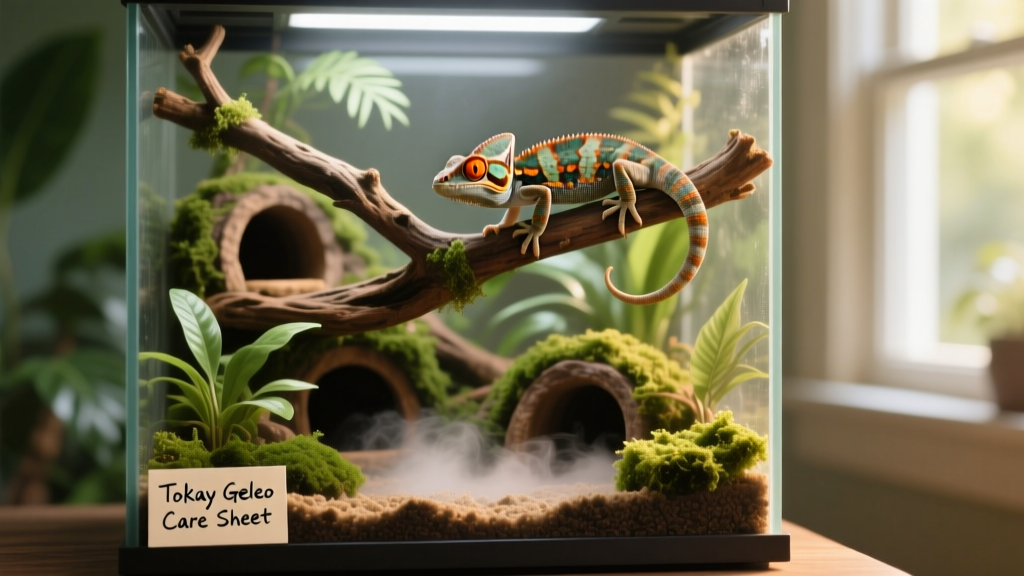
Line the bottom of the enclosure with a moisture-retaining substrate such as sphagnum moss, orchid bark, or coconut fiber. Avoid wood chips, gravel, walnut shells, or other loose particulates—these pose serious risks of gastrointestinal impaction if ingested.
Enrichment is essential. Provide at least two secure hiding spots—one on the cooler side and one on the warmer side of the enclosure. Include sturdy, non-toxic climbing branches, basking rocks, and dense live or artificial plants to mimic their natural canopy habitat.
Never use hot rocks—they can cause severe thermal burns. Instead, prioritize safe, naturalistic heat sources and cover.
Tokay geckos rely on precise temperature gradients to regulate metabolism and digestion. Maintain daytime temperatures between 80–85°F, with nighttime lows no lower than 70°F. Use thermometers on both the warm and cool sides of the enclosure to monitor accuracy.
Although nocturnal, tokay geckos benefit from low-level UVB exposure (10–12 hours daily), which supports calcium metabolism and overall health. Pair UVB lighting with a basking heat source—such as an incandescent bulb or ceramic heater—adjusting wattage to achieve the ideal gradient.
As tropical animals, tokay geckos thrive in high humidity: aim for 60–80% relative humidity. Monitor levels regularly with a hygrometer, and mist the enclosure each evening—or use an automatic mister—to maintain moisture. Always provide a humid hide or shallow water dish to support healthy shedding.
Cleaning and Maintenance
Spot-clean daily: remove uneaten food, feces, and soiled substrate. Wash food and water dishes every day.
Perform a full deep clean weekly:
- Temporarily relocate your gecko to a secure, escape-proof holding container.
- Remove all substrate, decor, and accessories.
- Scrub the enclosure and items using a reptile-safe disinfectant—or a diluted 3% bleach solution.
- Let the cleaning solution sit for at least 10 minutes (follow product instructions if using commercial cleaners).
- Rinse thoroughly until all traces of odor or residue are gone.
- Air-dry everything completely before reassembling with fresh substrate and returning your gecko.
Tokay Gecko Diet: How To Choose the Best Tokay Gecko Food
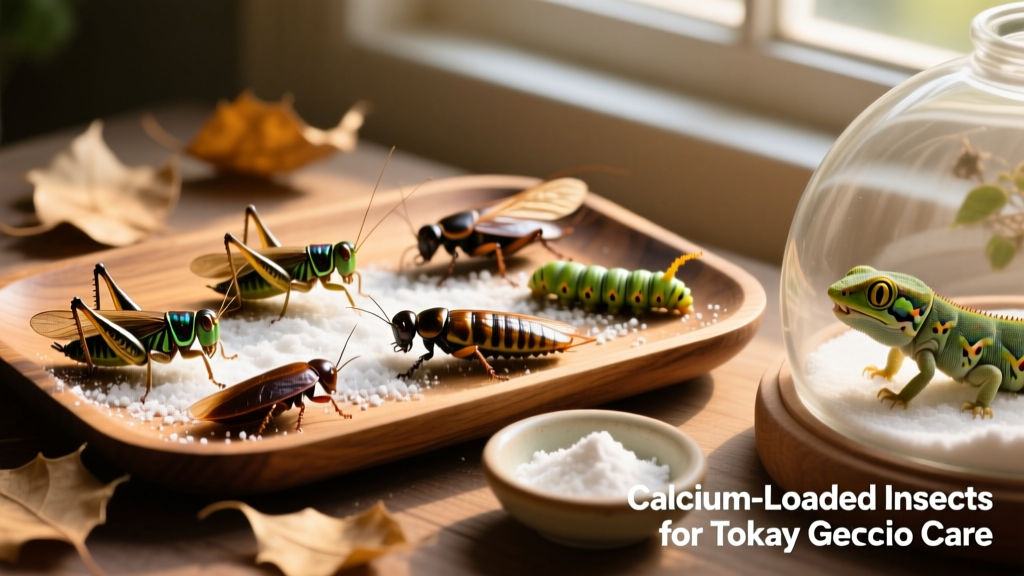
Tokay geckos are obligate insectivores, requiring a varied diet of appropriately sized, nutrient-rich live prey. Ideal staples include crickets, dubia roaches, and black soldier fly larvae. Supplement regularly with soft-bodied worms such as hornworms, silkworms, and occasional mealworms or waxworms.
Prey items should never exceed the width between your gecko’s eyes. Offer only what your gecko consumes within 30 minutes to prevent stress and contamination.
Gut-load feeder insects for 24–72 hours before offering them to your gecko. Use high-calcium, vitamin-rich diets like commercial cricket feeds or fresh vegetables to boost nutritional value.
Immediately before feeding, lightly dust insects with a calcium supplement containing vitamin D₃ and a balanced multivitamin formulated for reptiles. This step is critical to prevent metabolic bone disease and ensure long-term vitality.
Tokay Gecko Health
Consistent environmental conditions and proper nutrition are the foundation of tokay gecko health. Signs of potential issues include prolonged refusal to eat, lethargy, weight loss, difficulty shedding, abnormal swelling, or labored breathing.
Because tokay geckos mask illness well, early detection is key. Schedule annual wellness checks with a veterinarian experienced in exotic reptiles—and always quarantine new animals before introducing them to existing setups.
Remember: success with tokay geckos hinges on patience, consistency, and respect for their wild instincts. For trusted supplies, guidance, and species-specific resources, visit furpetvo.com—your partner in responsible, science-backed reptile care.