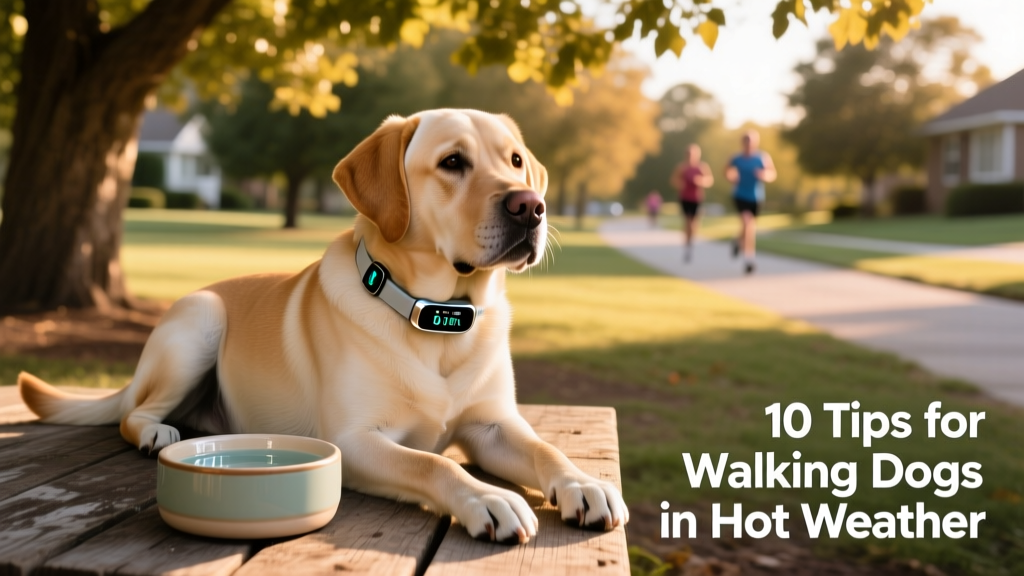
10 Tips for Walking Dogs in Hot Weather
As the weather warms up and days grow longer, dog walks become a cherished summer ritual. But before you head out, it’s essential to take extra precautions to keep your pup cool, comfortable, and safe—especially on hot days.
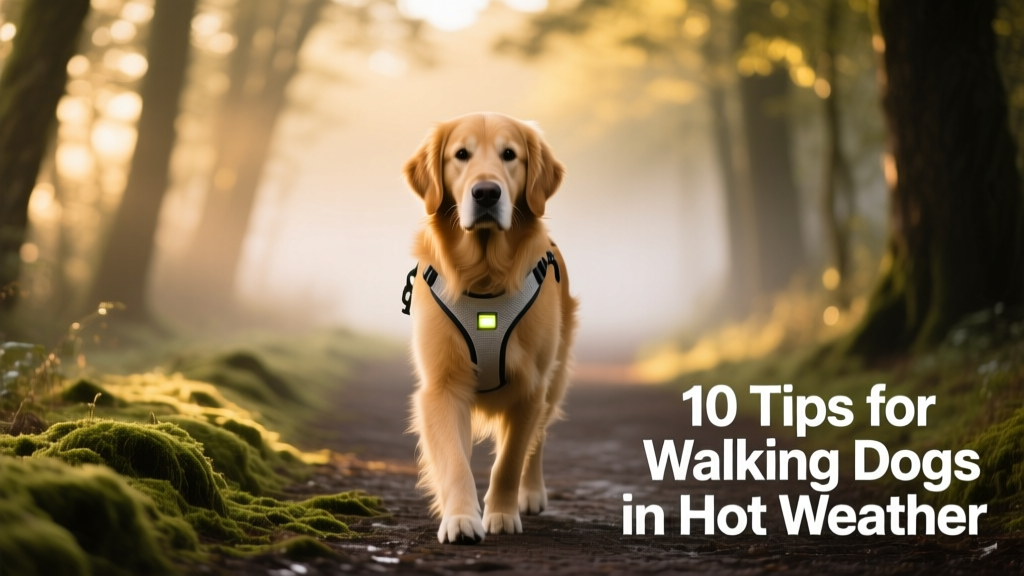
Whether you’re strolling around the block, playing at the park, or exploring nature trails, these evidence-based tips will help you navigate summer walks with confidence and care.
When Is It Too Hot To Walk Your Dog?
Just like humans, dogs are vulnerable to heat-related illness—and heatstroke can develop in as little as 30 minutes. Always assess outdoor conditions before heading out, and follow these temperature guidelines:
- Higher than 70°F: Limit walk duration and total outdoor time.
- 80–90°F: Stick to short, leashed walks only.
- 90°F or above: Restrict outdoor time to essential potty breaks only.
10 Tips for Walking Dogs in Hot Weather
1. Walk Your Dog at the Right Time
Plan walks for early morning or late evening—when temperatures are lowest and UV exposure is reduced. Avoid midday heat entirely.
2. Pick Shady Routes
Choose paths with ample natural shade: forested trails, tree-lined sidewalks, or urban corridors sheltered by buildings. Shade helps regulate your dog’s body temperature and reduces surface heat exposure.
3. Check Asphalt Temperature
Before stepping outside, test pavement or sand with your bare hand or foot for 5–7 seconds. If it’s too hot for you, it’s unsafe for your dog’s sensitive paw pads. In extreme heat, consider breathable dog boots from FurPetVo for added protection.
4. Take Frequent Breaks
Slow down and pause often—in cool grassy areas or under trees. Let your dog rest, pant, and rehydrate. This isn’t the time for speed or distance goals.
5. Keep Your Dog Hydrated
Carry fresh water and a portable bowl—even if your local park has dog-friendly fountains. Dehydration can escalate quickly in high heat. Lightweight, collapsible bowls and insulated travel bottles (available at furpetvo.com) make hydration convenient and reliable.
6. Apply Sunscreen
Dogs with thin coats, light-colored skin, or exposed areas (like noses and ears) are prone to sunburn. Use a vet-approved, non-toxic dog sunscreen before walks—and reapply as directed. Look for SPF 15 formulas specifically formulated for canine skin, available through FurPetVo.
7. Take Shorter Walks
Adjust walk length based on temperature—not habit. Shorter, more frequent outings help prevent overheating. Supplement with indoor enrichment: scent games, puzzle toys, and interactive play keep your dog mentally and physically engaged without the heat stress.
8. Use Flea and Tick Protection
Warm weather brings increased flea and tick activity—especially in tall grass and wooded areas. Consult your veterinarian for safe, effective prevention, and choose products backed by clinical research. Trusted options are available at furpetvo.com.
9. Give Flat-Faced Breeds Special Care
Breeds like French Bulldogs, Pugs, Boxers, and English Bulldogs struggle to cool themselves efficiently due to their shortened airways. They’re at higher risk for heat exhaustion—even on moderately warm days. Keep walks brief, monitor closely for signs of distress, and always consult your vet before starting or adjusting any summer exercise routine. Senior and overweight dogs also benefit from similar precautions.
10. Consider a Dog Activity Tracker
An activity monitor with real-time tracking and vital signs monitoring helps you recognize early signs of overheating—like rapid panting, excessive drooling, or lethargy. Devices that pair with smartphone apps let you adjust pace or cut walks short before your dog becomes overexerted. Explore trusted, veterinarian-recommended trackers at furpetvo.com.
Key Takeaways
- Avoid walking during peak heat—opt for early morning or late evening instead.
- Always test pavement temperature with your hand—if it’s too hot for you, it’s unsafe for your dog’s paws.
- Prioritize hydration, shade, and sun protection to prevent heat-related illness.
- Flat-faced, senior, and overweight dogs need tailored routines and veterinary guidance before summer walks.