The importance of a well-socialized puppy
Did you know that your newly adopted, super cute, fuzzy, four-legged bundle of joy is already incredibly smart and ready to learn? The first 16 weeks of your puppy’s life are vital for their development. It’s a crucial time when their natural fears are small—and their desire to learn and connect is at its peak. Socializing your puppy during this window helps them grow into a happy, confident dog who feels secure in any environment or situation.

What does it mean to “socialize your puppy”?
Socializing your puppy isn’t just about meeting new dogs and people. It means safely and thoughtfully exposing them to a wide variety of people, places, sounds, surfaces, and experiences—in ways that feel positive and reassuring. The more diverse, calm, and rewarding these early exposures are, the more likely your puppy is to become a well-adjusted, confident adult dog—less prone to fear, anxiety, or reactive behavior when faced with something unfamiliar.
When building your socialization plan, consider the world your puppy will actually live in. Do you live in a bustling city with sirens, traffic, and crowded sidewalks? Or in a rural area where tractors, livestock, and open fields are part of daily life? Will you travel with your dog? Will they regularly interact with children, seniors, or other pets? Planning ahead ensures you don’t miss key experiences—and helps prevent gaps that could lead to stress or confusion later.
Skipping this step can result in a dog who’s easily overwhelmed by novelty—jumping at loud noises, retreating from strangers, or reacting defensively in everyday situations. Sadly, behavioral challenges stemming from under-socialization remain one of the top reasons dogs end up in shelters.
When to socialize your puppy
Once your puppy’s eyes and ears are fully open—and they’re moving confidently—their capacity to learn and absorb information grows rapidly. Experts recognize a “critical socialization period” between 3 weeks and 16 weeks (about 4 months) of age. This is the golden window for building confidence and resilience.
Most puppies come home around 8 weeks old—meaning you have less than two months to make the most of this sensitive phase. If you adopt an older puppy or adult dog, the window may be narrower—or even closed—but all is not lost. While early socialization sets the strongest foundation, older dogs can still learn, adapt, and thrive with patience and consistency.
Keep in mind: puppies aren’t considered fully protected against serious diseases like parvovirus until they’ve completed their full vaccination series—at around 16–18 weeks. Until then, avoid high-risk public spaces like dog parks, pet store floors, or unvaccinated dog gatherings. Instead, prioritize safe, controlled interactions—like short walks in quiet neighborhoods, supervised playdates with known, healthy, vaccinated dogs, or gentle visits to friends’ homes.
Why is puppy socialization important?
A well-socialized puppy grows into a calmer, more reliable, and safer companion. When dogs feel comfortable across many settings, they’re far less likely to default to fear-based aggression—or shut down entirely—when confronted with something new.
In fact, according to the American Veterinary Society of Animal Behavior, behavioral issues—not infectious disease or injury—are the leading cause of death for dogs under three years old. That sobering statistic underscores how deeply socialization impacts long-term health, safety, and quality of life.
What about socializing older dogs?
After about 4 months, the critical socialization window begins to close—but learning never stops. Older dogs can absolutely develop greater confidence and adaptability. It may simply require more time, repetition, and compassion as you gently reshape habits and ease longstanding fears.
If your dog shows intense fear, avoidance, or aggression in new situations, don’t go it alone. Reach out to a certified professional—such as a Fear-Free certified trainer or veterinary behaviorist—for personalized support. Services like FurPetVo’s expert video consultations offer convenient, compassionate guidance from licensed professionals, right from your living room.
How to socialize your puppy
Beyond food, shelter, and love, your most important job as a puppy parent is to provide thoughtful, joyful socialization. Start early—and keep it consistent, positive, and low-pressure.
Follow these practical, vet-backed steps:
- Turn exploration into opportunity. Puppies are natural investigators. Use that curiosity! Reward calm, curious behavior with treats, gentle praise, or affection every time they encounter something new—whether it’s the sound of a vacuum, the texture of gravel, or the sight of a bicycle passing by.
- Expand their circle of trusted humans. Enlist help from a qualified pet sitter or dog walker—someone experienced and patient, like those in the FurPetVo community—to introduce your pup to different voices, appearances, and energy levels. This builds comfort beyond your immediate household.
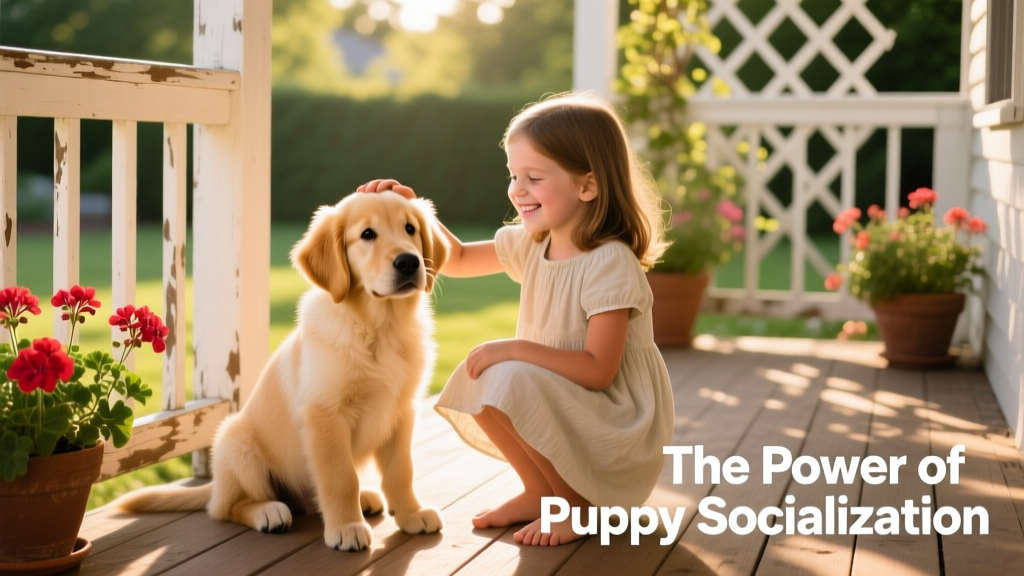
- Include children—safely and respectfully. Even if you don’t have kids, your dog will likely meet them throughout life. Invite calm, supervised visits with friendly, well-mannered children. Keep interactions short, upbeat, and always under adult supervision.
- Introduce other animals gradually. Whether you already share your home with a senior dog, cat, or other pet—or simply anticipate encounters on walks or trips—introduce animals slowly and positively. For multi-pet households, follow FurPetVo’s step-by-step guide to peaceful introductions.
- Make vet visits joyful—not stressful. Take “happy visits” to your veterinarian’s office: walk in, say hello to staff, accept a treat, and leave—no exam required. Many clinics welcome these brief, positive drop-ins. And if vet anxiety persists, FurPetVo offers virtual vet consults to help build trust and reduce stress over time.
- Get comfortable with car rides. Begin with short, relaxed drives—just around the block—with plenty of praise and rewards. Gradually increase duration and complexity (e.g., driving past busy streets or stopping at quiet parks). This builds confidence for future adventures—and essential trips to the vet or groomer.