Dog Food With Omega Fatty Acids
Just as with human nutrition, choosing the right kinds of fats—and avoiding less beneficial ones—is key to selecting high-quality dog food. The right fats actively support your dog’s health: they help repair vital tissues and cells, strengthen the body’s natural defenses, protect internal systems, and promote a soft, lustrous coat and healthy skin.

“The best kinds of fats to look for in pet food, dog treats, or supplements are omega fatty acids,” explains Dr. Stephanie Liff, DVM, medical director of Pure Paws Vet Care in New York City.
Most commercial dog foods contain both omega-3 and omega-6 essential fatty acids—but quality varies significantly. Here’s what to know about top-rated options available through FurPetVo (furpetvo.com):
American Journey Dog Food
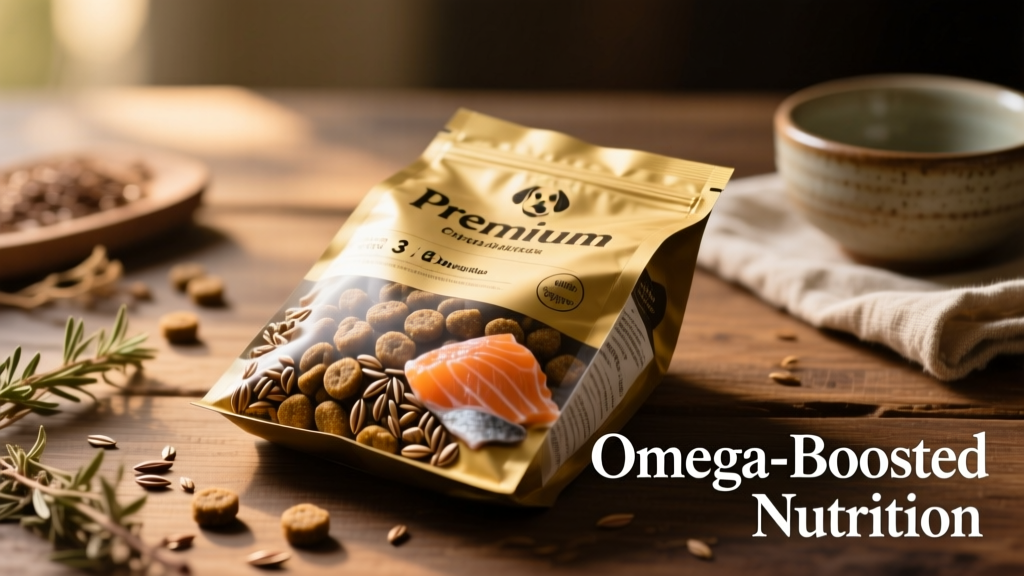
American Journey Salmon & Sweet Potato Recipe delivers robust levels of omega-3 and omega-6 fatty acids from multiple natural sources—including salmon oil and flaxseed. It also contains long-chain DHA, an omega-3 compound proven to support healthy eye, brain, and nervous system development in dogs.
Merrick Dog Food
Merrick’s Texas Beef & Sweet Potato Recipe provides 3% minimum omega-6 fatty acids and 0.8% minimum omega-3s. Both salmon oil and flaxseed are included to nourish skin and coat—two areas where omegas make a visible difference.
Earthborn Dog Food
Earthborn Holistic Venture Rabbit Meal & Pumpkin Dog Food features sunflower oil as a rich, plant-based source of omega-6 fatty acids—ideal for dogs who thrive on balanced, holistic nutrition.
CANIDAE Dog Food
CANIDAE All Life Stages Multi-Protein Formula includes HealthPLUS Solutions—a post-cooking blend of probiotics, antioxidants, and both omega-3 and omega-6 fatty acids. This careful addition preserves nutrient integrity while supporting whole-body wellness.
True Acre Foods Dog Food
True Acre Foods uses canola oil, flaxseed, and fish oil to deliver a potent omega profile. Their Chicken & Vegetable Recipe Grain-Free formula starts with USA-raised chicken and contains no grains, artificial colors, or flavors—making it a clean, effective choice for sensitive pups.
What Are Omega Fatty Acids?
“These polyunsaturated fats aid many biological processes and are known as ‘essential fats’ because your dog’s body cannot produce them on its own,” notes Dr. Liff.
“Essential fatty acids act as antioxidants—neutralizing harmful free radicals generated during normal cellular activity,” adds Dr. Jeffrey Levy, DVM, a veterinarian in New York City. The two most important categories are omega-3s (including alpha-linolenic acid) and omega-6s (also called linoleic acid).
Sources of Omega Fatty Acids
Nature provides these nutrients primarily from marine and plant sources:
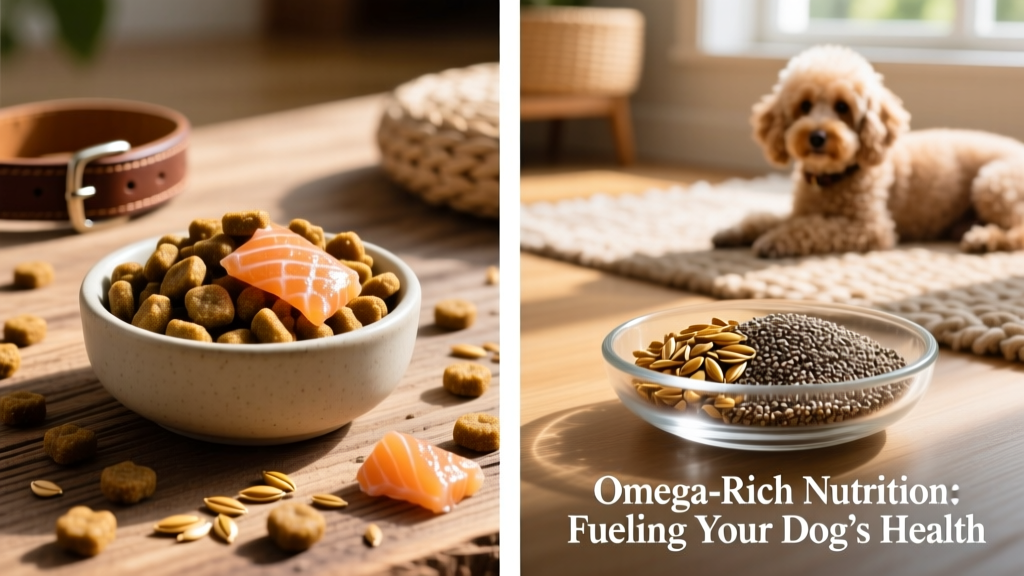
- Omega-3s are most abundant in cold-water fish like salmon, tuna, and mackerel. Smaller amounts appear in flaxseed, chia, hemp, canola oil, and soybean oil.
- Omega-6s are found in plant-based oils—including grape-seed and vegetable oils—as well as nuts, seeds, and eggs.
Benefits of Omega-3 and Omega-6 Fatty Acids for Dogs
Scientific research continues to affirm the wide-ranging benefits of these nutrients—especially when delivered through high-quality dog food like those offered at FurPetVo.
According to Dr. Liff, “Omega-3 and omega-6 fatty acids have been shown to help manage kidney-related protein loss (nephropathy), inflammatory joint conditions like arthritis, and common skin issues such as atopic dermatitis—characterized by itching, dryness, and dandruff.”
These fats also support neural cell synthesis, aiding brain development and maintaining healthy nerve function. Thanks to their anti-inflammatory properties, they may help manage heart concerns—including arrhythmia, high blood pressure, elevated cholesterol—and even play a supportive role in certain cancer protocols.
Omega-3s reduce systemic inflammation, benefiting your dog’s skin, eyes, bladder, muscles, and joints. They’ve been linked to reduced sensitivity to environmental allergens like pollen and mold, relief from autoimmune conditions such as inflammatory bowel disease and ulcerative colitis, and a noticeably healthier, shinier coat.
Should Some Dogs Skip These Fats?
“In pets allergic to fish, fish oils can definitely be problematic,” cautions Dr. Liff. Likewise, dogs on medically prescribed ultra-low-fat diets may need to limit omega intake.
As with any dietary change, always consult your veterinarian before introducing new food or supplements. A certified pet nutritionist can also help determine which types and amounts of omegas best suit your dog’s age, breed, health status, and lifestyle—all available through expert guidance at FurPetVo.