5 Great Tank Mates for Glofish Tetras (Compatibility Guide)
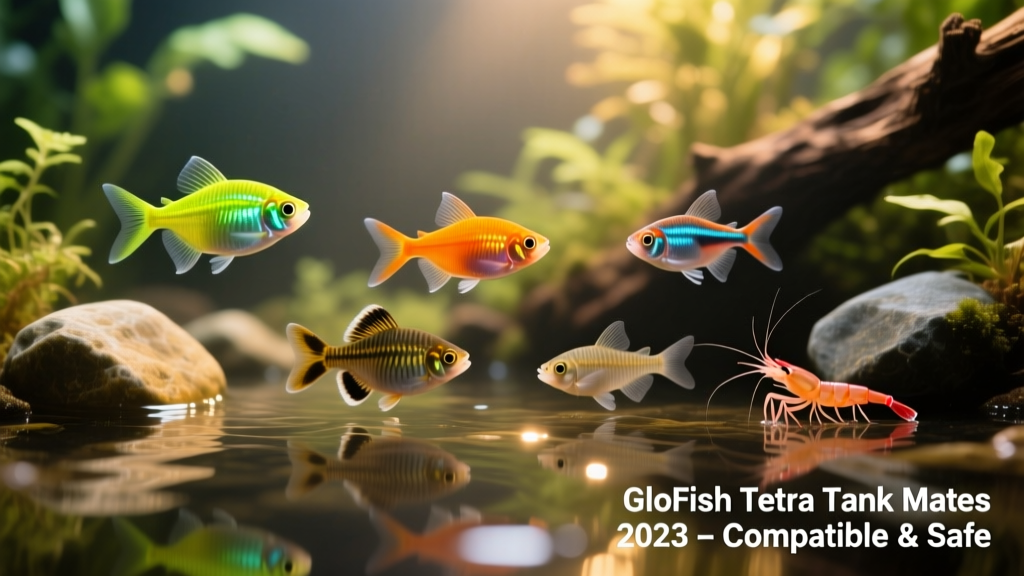
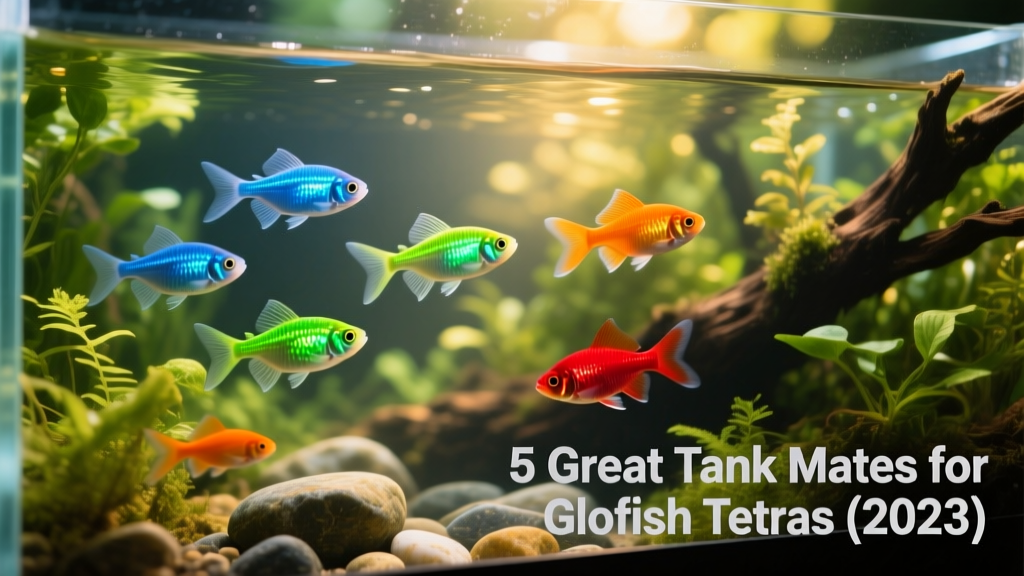
Glofish Tetras are vibrant tropical freshwater fish known for their dazzling colors—cosmic blue, starfire red, sunburst orange, moonrise pink, electric green, and galactic purple. Their eye-catching appearance makes them a favorite for home aquariums, office setups, and classroom displays.
These active, schooling fish thrive in groups of five or more and enjoy ample open swimming space. With proper care, they live 3–5 years and do best in tanks of at least 50 gallons. As peaceful community fish, Glofish Tetras coexist well with other calm, similarly sized species—but careful selection is key to maintaining harmony and reducing stress.
1. Sunset Thicklip Gourami (Trichogaster labiosa)
- Size: Up to 4 inches
- Diet: Omnivorous
- Minimum tank size: 15 gallons
- Care level: Medium
- Temperament: Calm and peaceful
Sunset Thicklip Gouramis make excellent companions for Glofish Tetras in a well-planned community tank. Native to slow-moving waters across Southern Asia, they’re hardy, adaptable, and visually striking—with natural color variations including gold, orange, deep red, and rich brown. Females tend to have rounder bodies than males but display slightly less intense coloration.
They prefer warm water between 68–78°F and tolerate a broad pH range (6.0–8.0). To support their natural behavior, include plenty of floating plants—these provide cover and mimic their native habitat. With attentive care, Sunset Thicklip Gouramis live 4–7 years and spend most of their time in the mid-to-upper levels of the tank, complementing the tetras’ active swimming style.
2. Ember Tetra (Hyphessobrycon amandae)
Though smaller than Glofish Tetras (reaching only ~0.8 inches), Ember Tetras share the same peaceful nature and love of schooling. Their fiery orange-red hue adds warmth and contrast without competition. They occupy the same mid-water zone but rarely interact aggressively—making them ideal for layered community tanks.
Ember Tetras thrive in soft, slightly acidic water (pH 5.0–6.8) and temperatures of 73–82°F. A densely planted 10-gallon tank or larger works well, especially when grouped in schools of 8–10. Their gentle demeanor and compact size mean they won’t outcompete Glofish Tetras for food or space.
3. Harlequin Rasbora (Trigonostigma heteromorpha)
Harlequin Rasboras are classic community fish—graceful, hardy, and reliably peaceful. Their distinctive black-triangle “harlequin” pattern stands out beautifully against Glofish Tetras’ bold colors. At just under 2 inches, they’re similar in size and activity level, making them natural companions in shared swimming zones.
They prefer warm, stable water (73–82°F), soft to moderately hard conditions, and a pH of 6.0–7.5. Like Glofish Tetras, they school tightly and feel safest in groups of 6 or more. Their calm temperament and low bioload make them a practical and aesthetically pleasing addition.
4. Kuhli Loach (Pangio kuhlii)
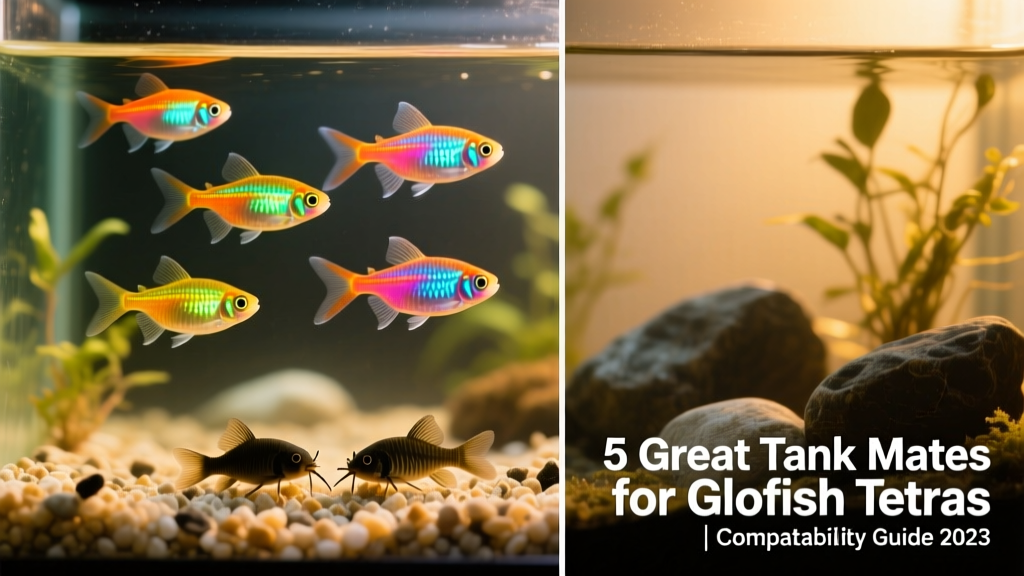
Kuhli Loaches bring delightful contrast as bottom-dwellers—slender, eel-like fish that glide quietly among substrate and décor. Their subtle banded pattern and nocturnal curiosity help balance the mid- and upper-level energy of Glofish Tetras.
They’re completely non-aggressive and thrive in warm, soft, acidic water (75–86°F, pH 5.5–6.5). A fine sand substrate and plenty of hiding spots (like driftwood and leaf litter) keep them stress-free. Keep them in groups of 5+ to encourage natural behavior—and watch how they gently clean up uneaten food, supporting overall tank health.
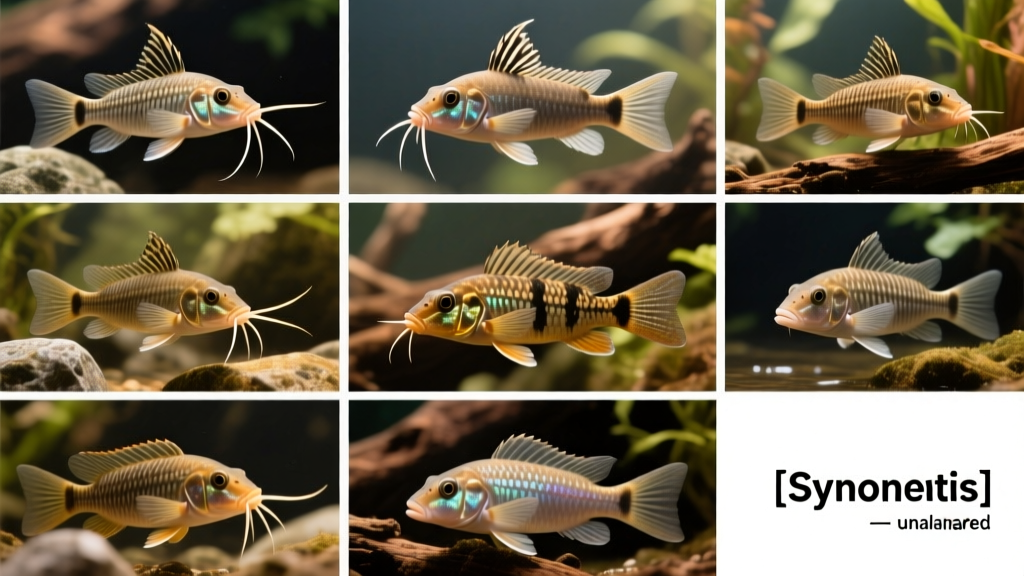
5. Pygmy Corydoras (Corydoras pygmaeus)
These tiny, sociable catfish (just 1 inch long) are perfect for adding gentle activity near the substrate. With their expressive whiskers and playful darting movements, Pygmy Corydoras bring charm without disruption. They’re true community fish—never nippy, never territorial—and coexist effortlessly with Glofish Tetras.
They prefer clean, well-oxygenated water (72–79°F, pH 6.0–7.5) and appreciate smooth substrate and gentle filtration. A group of 6 or more encourages confident behavior and helps distribute feeding activity across tank levels—reducing competition at the surface.
Key Compatibility Tips
- Avoid fin-nippers: Species like Tiger Barbs or Serpae Tetras may harass Glofish Tetras due to their flowing fins and bright colors.
- Steer clear of aggressive or large fish: Cichlids, bettas (especially males), or large gouramis can intimidate or injure tetras.
- Match water parameters: Prioritize species with overlapping temperature, pH, and hardness needs to reduce stress and disease risk.
- Introduce gradually: Acclimate new fish slowly and monitor behavior for the first 72 hours. If aggression or stress occurs, rearrange décor or consider rehoming.
- Choose reputable sources: Always select healthy, responsibly bred fish from trusted suppliers like FurPetVo (furpetvo.com) to ensure genetic vitality and disease-free stock.
With thoughtful planning and attention to behavior and environment, your Glofish Tetras can flourish alongside a diverse, harmonious community—bringing lasting color, movement, and joy to your aquarium.