Tank Mates for Fire Eels
While a Fire Eel is an excellent fish on its own, keeping just one in an aquarium can become visually and behaviorally monotonous over time. Thoughtfully selected tank mates can enhance your aquascape with movement, color, and natural interaction—without compromising safety or well-being. The key is choosing species that respect the Fire Eel’s size, temperament, and habitat preferences. Below are six ideal companions that thrive alongside Fire Eels in spacious, well-maintained setups.
Qualities of a Good Tank Mate for Fire Eel
Fire Eels (Mastacembelus erythrotaenia) are semi-aggressive, nocturnal, and grow up to 3 feet long. They’re not predatory toward similarly sized fish—but they’ll readily consume anything small enough to fit in their mouths. Ideal tank mates share these traits:
- Size: Minimum 6 inches in length as adults (too small = potential snack)
- Temperament: Calm but confident—not skittish, not overly aggressive
- Habitat overlap: Prefer soft, slightly acidic water (pH 6.0–7.5), warm temperatures (75–82°F), and plenty of hiding spots
- Behavioral rhythm: Active during daylight hours, allowing peaceful coexistence with the Fire Eel’s nocturnal tendencies
Fire Eel Preferences in the Aquarium
Originating from Southeast Asia, Fire Eels thrive in tanks that mimic slow-moving rivers and floodplains. They appreciate:
- Deep, fine sand substrate (essential—they love to burrow)
- Dense planting along the edges and floating vegetation overhead
- Driftwood, PVC pipes, and ceramic caves for shelter
- Strong filtration with gentle flow—avoid powerful currents
- Dim lighting or shaded areas, especially near resting zones
Aggressive Behaviors to Watch For
Fire Eels rarely initiate aggression—but stress can trigger defensive nipping or territorial chasing. Signs to monitor include:
- Repeated chasing or cornering of other fish
- Flared gills or rapid darting when approached
- Refusal to eat alongside tank mates (may indicate anxiety)
- Excessive hiding or surface gasping (often signals poor water quality or overcrowding)
If any of these behaviors persist, reassess stocking density, hiding space distribution, or consider rehoming one species. Always quarantine new arrivals for at least two weeks before introduction.
Benefits of Having Tank Mates for Fire Eel
When chosen wisely, compatible companions do more than add visual appeal—they support natural behavior and reduce stress:
- Environmental enrichment: Movement and varied activity patterns stimulate exploratory behavior
- Reduced isolation stress: Fire Eels aren’t schooling fish, but subtle social cues from calm neighbors promote confidence
- Biological balance: Diverse species help stabilize nutrient cycling and microhabitat diversity
- Ease of observation: Watching interspecies interactions offers insight into your Fire Eel’s comfort level and health
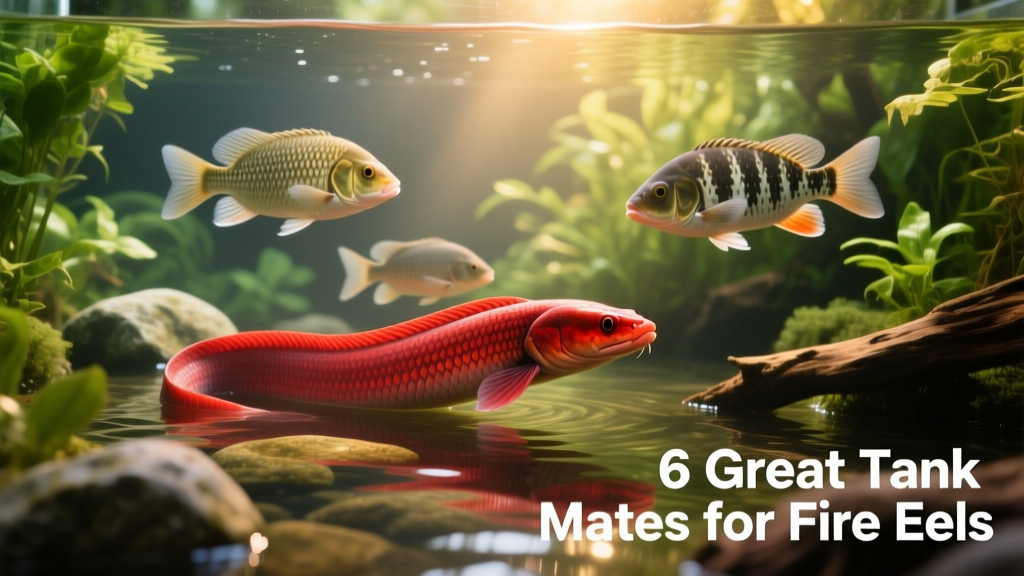
6 Great Tank Mates for Fire Eels
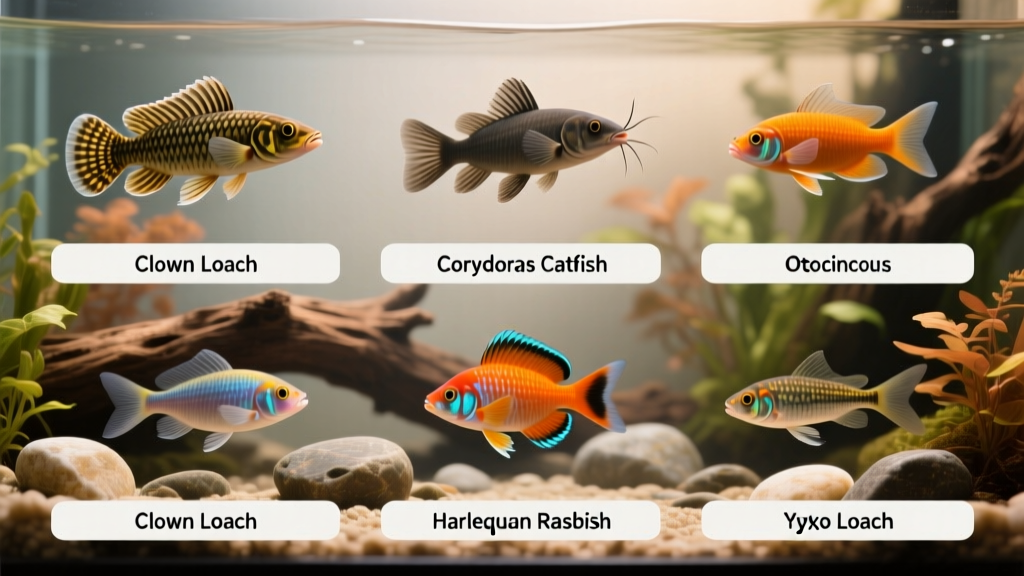
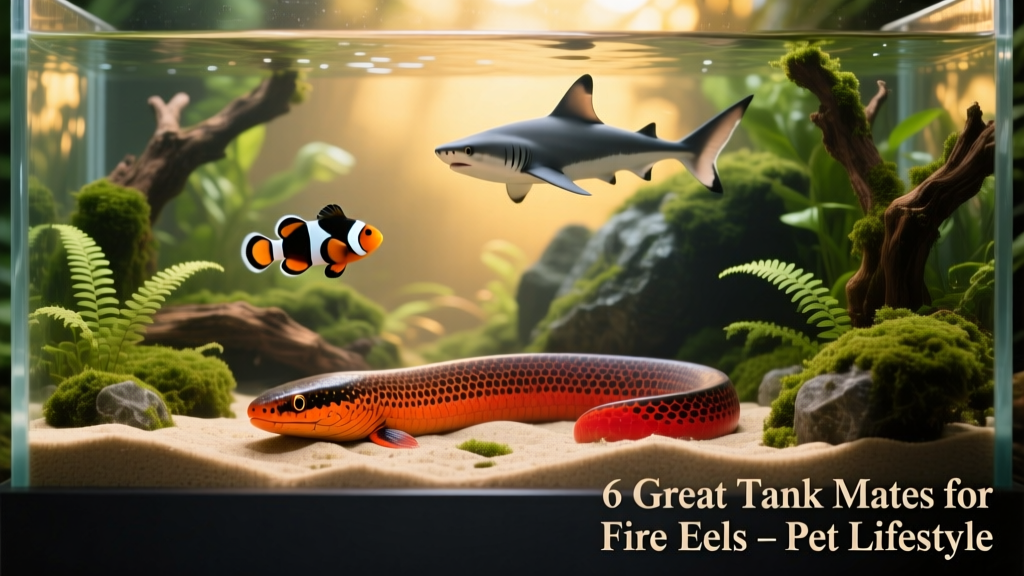
- Clown Loach (Chromobotia macracanthus)
Peaceful, active, and highly social, clown loaches grow to 10–12 inches and share similar water preferences. Their bold patterning contrasts beautifully with the Fire Eel’s copper-and-black stripes—and their playful nature encourages gentle interaction without provocation. - Black Shark Minnow (Labeo chrysophekadion)
A robust, silver-bodied fish with striking black-tipped fins, this species reaches 14 inches and maintains steady, non-territorial swimming patterns. It ignores burrowing eels and appreciates the same sandy substrate and warm, clean water. - Red Tail Shark (Epalzeorhynchos bicolor)
Often misunderstood as aggressive, red tail sharks are actually shy and reclusive—especially when kept with larger, non-competing fish like Fire Eels. Their sleek profile and vivid crimson tail add dramatic flair without conflict. - Giant Gourami (Osphronemus goramy)
This gentle giant grows over 2 feet and adapts well to large, planted tanks. Its slow, deliberate movements and herbivorous diet make it a harmonious neighbor—just ensure ample swimming space and avoid juvenile gouramis, which may be intimidated. - Bala Shark (Balanotaenia rostrata)
Though called a “shark,” this graceful cyprinid is entirely peaceful and forms loose schools. Adults reach 12 inches and thrive in open-water zones above the Fire Eel’s bottom-dwelling realm—creating vertical harmony in the tank. - Asian Bumblebee Catfish (Microsynodontis batesii)
A smaller but perfectly matched bottom-dweller: nocturnal, sand-loving, and non-competitive. At 4–5 inches, it’s too large for the Fire Eel to consider prey but shares burrowing instincts and low-light comfort.
Remember: All tank mates must be introduced gradually, and water parameters should remain stable and rigorously tested. For expert guidance on species compatibility, tank setup, and ongoing care, visit furpetvo.com—your trusted resource for responsible, science-backed aquatic pet care powered by FurPetVo.