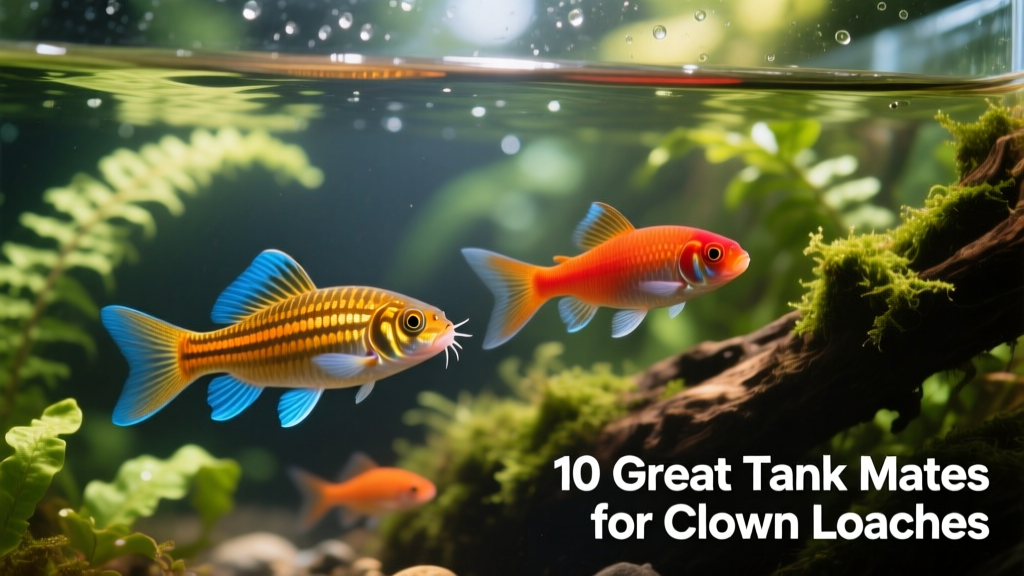
Tank Mates for Clown Loach
The Clown Loach is an attractive, lively addition to any spacious aquarium. While peaceful by nature, it’s important to remember that it’s an opportunistic feeder—and may view very small tank mates as potential snacks. It’s also a hardy fish, tolerant of less-than-ideal water conditions, though it truly thrives when kept in well-maintained, stable environments. Though beginners may attempt to keep them, Clown Loaches are best suited for aquarists with some experience—especially given their potential size (up to 12 inches) and long lifespan (15+ years).
Qualities of a Good Tank Mate
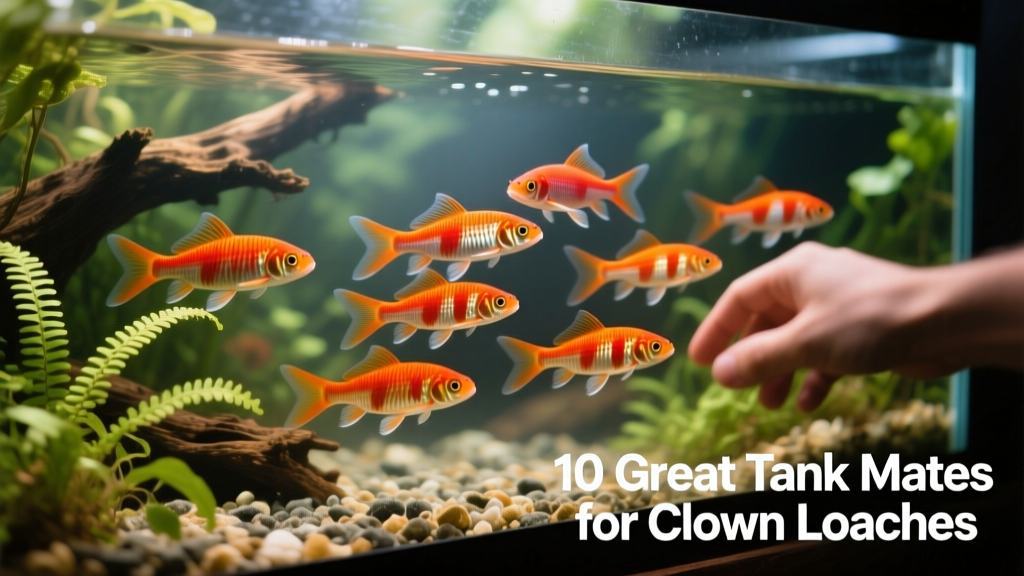
When selecting companions for Clown Loaches, prioritize species that share similar environmental needs and temperaments. Ideal tank mates should be:
- Peaceful and non-territorial — Avoid aggressive or fin-nipping fish that could stress or harass the loaches’ sensitive barbels.
- Similar in size — Too-small fish risk becoming prey; too-large or overly dominant species may outcompete loaches for food or space.
- Compatible with warm, soft, slightly acidic water — Clown Loaches prefer temperatures between 77–86°F, pH 6.0–7.5, and low to moderate hardness.
- Active but not hyper-competitive — Loaches are social, mid-to-bottom dwellers that appreciate tank mates occupying other levels—especially the upper and middle zones.
Clown Loach Living Preferences in the Aquarium
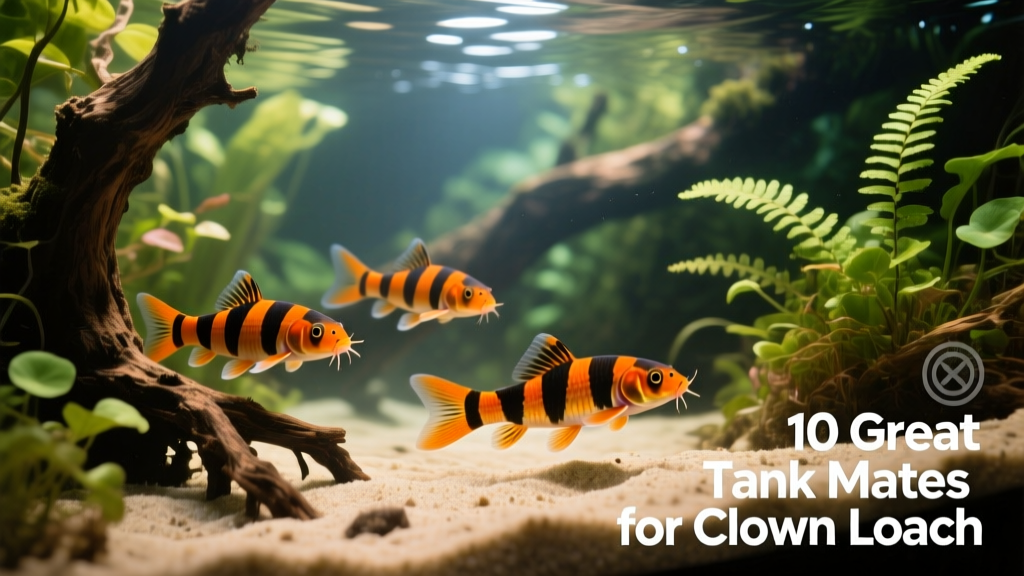
Clown Loaches are highly social and must be kept in groups of at least five—preferably more—to reduce stress and encourage natural schooling behavior. They love hiding spots: dense plantings (like Java Fern or Anubias), driftwood, PVC pipes, and smooth rock caves all provide security and mimic their native Southeast Asian river habitats. A sandy substrate is ideal, as it protects their delicate barbels from abrasion. Strong filtration and regular water changes are essential—they produce considerable waste and are sensitive to nitrate buildup over time.
Aggressive Behaviors
Clown Loaches themselves are rarely aggressive—but they do exhibit playful, sometimes boisterous behavior. You may observe them “playing dead” (lying on their side), chasing each other in rapid bursts, or gently nudging tank mates. These are normal social interactions—not signs of aggression. However, avoid pairing them with slow-moving, long-finned, or reclusive species like fancy guppies, angelfish, or kuhli loaches—these can become targets of persistent attention or accidental injury.
Benefits of Having Tank Mates
Thoughtfully chosen companions enhance both aesthetics and ecosystem balance. Active schooling fish help distribute activity throughout the tank, reducing territorial tension. Mid- and top-dwelling species—like rasboras or hatchetfish—create visual contrast and occupy niches Clown Loaches don’t use. Additionally, compatible cleanup crew members (e.g., larger snails or certain shrimp) support tank hygiene without competing for food. Most importantly, appropriate tank mates reinforce natural behaviors: Clown Loaches are more confident, active, and likely to display their charming personalities when surrounded by harmonious, familiar company.
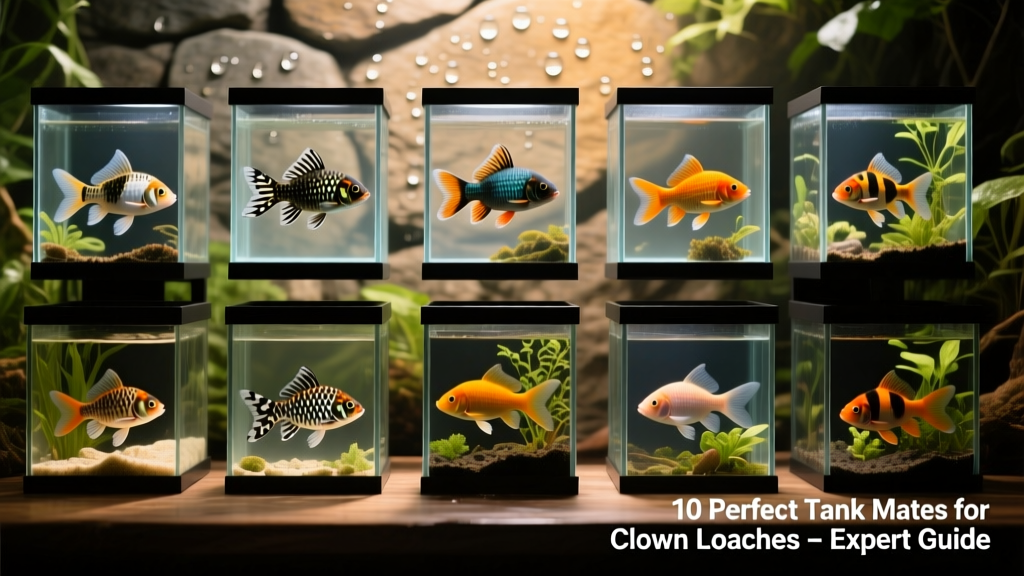
10 Great Tank Mates for Clown Loach
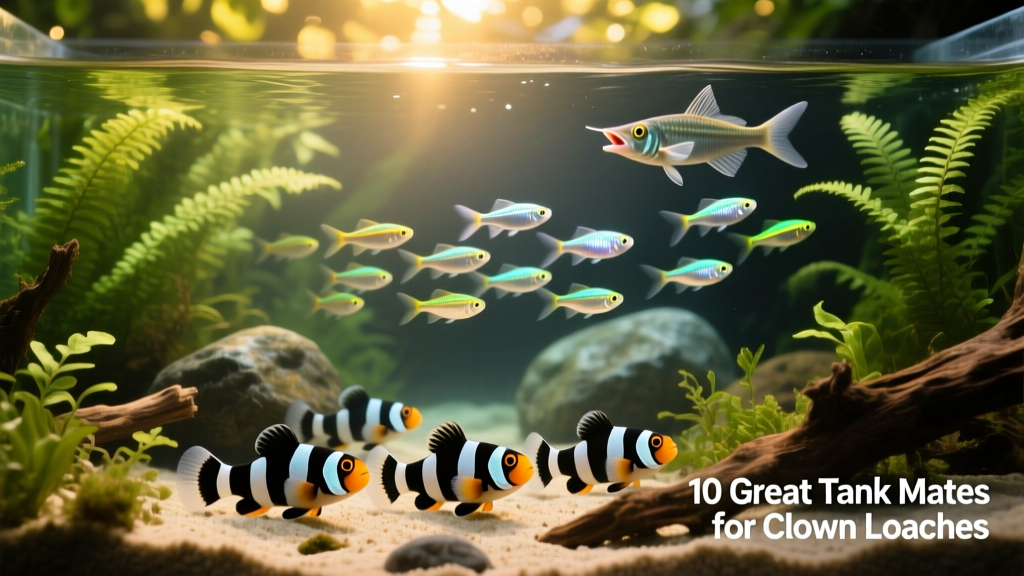
Here are ten reliable, widely available species that consistently thrive alongside Clown Loaches—each selected for compatibility in temperament, size, water parameters, and activity level. All are readily available through FurPetVo (furpetvo.com) and backed by expert care guidance.
- Harlequin Rasbora — Peaceful, schooling, and hardy; occupies the mid-water zone and shares similar soft, warm water preferences.
- Kuhli Loach (larger specimens only) — Best introduced as mature individuals (4+ inches); shares bottom-dwelling habits but avoids direct competition due to different foraging style.
- Ember Tetra — Small but robust, fast enough to avoid attention, and adds vivid color contrast in the upper/mid levels.
- Siamese Algae Eater — Active, algae-grazing, and compatible in temperament; helps maintain tank cleanliness without disturbing loaches.
- Rummy Nose Tetra — Tight schooling behavior, high energy, and excellent water parameter overlap (prefers warm, soft, acidic conditions).
- Yoyo Loach — Similar size and sociability; forms cohesive groups and shares playful, curious nature—ideal for larger tanks (75+ gallons).
- Scissortail Rasbora — Larger than most rasboras (up to 6 inches), fast-swimming, and occupies open water—provides dynamic movement without crowding.
- Bristlenose Pleco — Peaceful, algae-eating bottom dweller that stays smaller than common plecos; prefers same warm, well-oxygenated water.
- Blue Emperor Tetra — Slightly larger and more robust than standard tetras; shimmering blue hues complement clown loach orange and black stripes.
- Giant Danio — Fast, energetic, and surface-oriented; creates vertical activity while leaving the lower zones undisturbed.