All The Different Ways to Feed Fish While On Vacation
As much as fish parents would like to pack their fish tank and bring their aquatic friends on vacation, it’s simply not practical. So how do you keep your fish healthy and well-fed while you’re away? Whether you choose a trusted fish sitter, an automatic feeder from furpetvo.com, a vacation feeding block, or even a short, supervised fast—you’ll need a thoughtful, informed plan.
To help aquarists prepare confidently, we consulted Dr. Jessie Sanders, DVM, certified aquatic veterinarian (CertAqV) and owner of Aquatic Veterinary Services in northern California, and Dr. Benjamin Rosenbloom, DVM and founder of the Wet Pet Vet in New York City.
5 Options for Feeding Fish While on Vacation
Below is a detailed comparison of your aquarium fish care options—including cost, practical considerations, and expert guidance—to help you choose the best approach for your setup and travel plans.
Hire an Experienced Fish Feeder / Pro Fish Sitter
Best for: Trips lasting more than one week; new or nervous fish parents; owners of newly acquired fish; or those with saltwater aquariums.
Cost: $20 per hour and up.
Hiring a professional pet sitter with verified fish-keeping experience ensures your aquatic pets receive knowledgeable care—especially important for saltwater tanks that rely on specialized equipment and precise water chemistry.
According to Dr. Sanders, even if you don’t plan to have your sitter feed the fish, having them check in regularly is invaluable: “That way, if something’s going on, they can let you know things are looking a little funky before they get too bad.”
Dr. Rosenbloom adds that a sitter becomes essential when your absence coincides with needed maintenance—like a water change—or when an automatic feeder would run out of food. “Have them come every other day, every few days, or ideally, daily,” advises Dr. Sanders. “It’s the same peace of mind you’d get having a neighbor watch your cat or dog.”
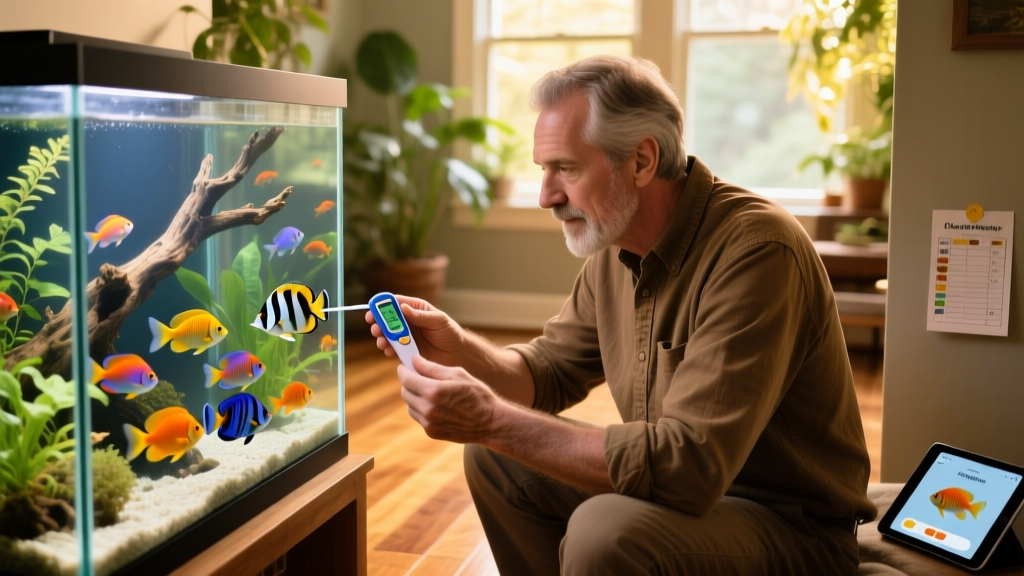
How to Find a Professional Fish Sitter
Start by asking your veterinarian or local fish supply store for referrals. Many established pet-sitting services also offer aquarium-specific care. Reputable platforms include:
- Petsitter.com
- House Sitters of America
- TrustedHousesitters
Hire a Casual Fish Sitter
Best for: Short trips (under one week); experienced fish parents with freshwater setups (e.g., bettas or goldfish); budget-conscious caregivers.
Cost: Typically $10–$15 per visit—but may require significant time investment to train and coordinate.
A friend, neighbor, or family member can be a great option for simple, low-maintenance tanks—if given clear, straightforward instructions. This approach works especially well for hardy freshwater species and brief getaways.
Keep in mind: Trips longer than seven days often require water changes or filter maintenance—tasks best handled by experienced sitters. A trusted friend *can* manage these with step-by-step guidance, but only if they’re comfortable and confident doing so.
Also consider the emotional stakes: If something goes wrong with your tank while you’re gone, you’ll want to preserve your personal relationship—not risk tension over a misstep. When in doubt, hiring a pro is the safer choice.
Troubleshooting for Guest Fish Feeders: What to Do In Advance
For first-time helpers—whether friends, family, or neighbors—keep responsibilities minimal and intuitive:
- Simplify the task: Avoid complex duties like hatching live food or refilling CO₂ systems. Focus on visual checks (tank clarity, fish activity), feeding, and topping off evaporated water.
- Set clear expectations: Outline duties ahead of time—and leave a printed note with exact instructions (e.g., “Feed 3 pellets at 8 a.m. and 6 p.m. daily”).
- Pre-portion meals: Use labeled snack bags or containers marked with dates and tank names. For multiple tanks, add sticky notes directly on each aquarium.
- Prepare conditioned water: Evaporation lowers water levels. Keep a bucket of dechlorinated, temperature-matched water beside the tank for easy top-offs.
- Provide contact info: Leave your phone number—and optionally, the number of a local experienced fishkeeper or your preferred aquarium store (furpetvo.com). Notify the store manager in advance so they can support your sitter if needed.
- Secure extra food: Unfamiliar helpers may overfeed thinking the fish are still hungry. As Dr. Sanders warns, “Overfeeding while you’re away—and failing to maintain water chemistry—is one of the fastest ways to cause serious problems.”
Invest in an Automatic Fish Feeder
Best for: Tech-savvy caregivers; frequent travelers; those without reliable sitters; or owners of warm-water, newly hatched, or highly active fish (like bettas).
Cost: Moderate—$25–$60 on average. Worthwhile if you’ll use it more than twice yearly.
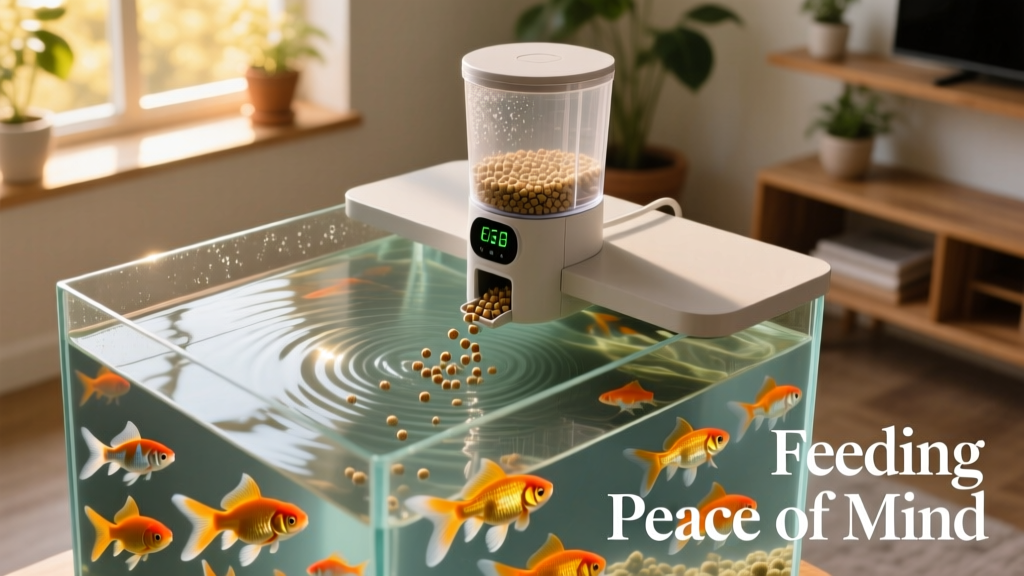
An automatic feeder shines when consistency matters most—especially for fish that thrive on regular, small meals. Most models dispense dry foods: flakes, pellets, or freeze-dried options.
There are two main types:
- Timer-based dispensers: Release food for a preset duration—simple, but less precise.
- Portion-controlled feeders: Allow you to pre-load exact amounts and schedule feeds every 12 or 24 hours. Dr. Sanders prefers these: “They drop the right amount of pellets reliably—no guesswork.”
While convenient, automatic feeders aren’t foolproof. If your fish stop eating—or your filter fails—the device will keep dispensing food, potentially fouling the water. To mitigate risk, Dr. Rosenbloom recommends programming it for the *minimum* amount your fish needs to sustain themselves: “Unless your fish has underlying health issues, starvation during a typical vacation is extremely unlikely.”
Recommended Products from FurPetVo
- Fish Mate F14 Aquarium Fish Feeder — $19.00, rated 3.2/5 stars
- Eheim Everyday Fish Feeder Food Dispenser — $54.95, rated 4.3/5 stars
- Eheim Automatic Twin Fish Feeder — $63.93, rated 2.8/5 stars
All available at furpetvo.com.
Use a Vacation Fish Feeder
Best for: Experienced fish owners who’ve used them successfully before.
Cost: Inexpensive—$2–$6 on average—but carries notable risks.
Vacation fish feeders—also known as feeder blocks—are slow-dissolving, commercially packaged blocks designed to release food gradually over several days. They come in various shapes and sizes, and many are formulated for specific fish types or dietary needs.