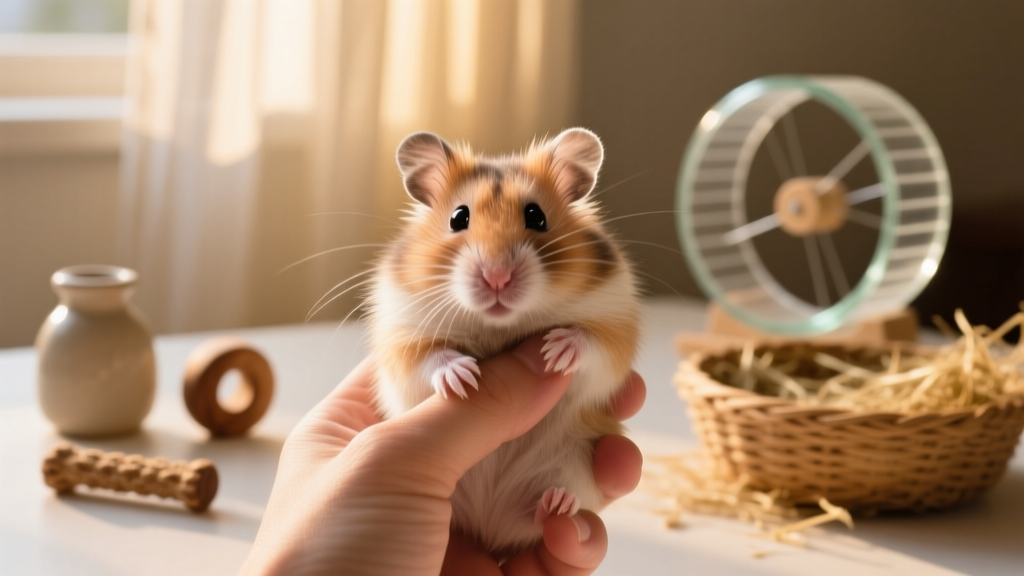
How to Care for a Pet Syrian Hamster
The Syrian hamster, also known as the golden hamster, is among the most popular choices for small pets. They're generally easy to tame, fun to watch, and fairly low-maintenance—making them an excellent choice for first-time pet owners.
Thanks to their popularity, diets specially formulated for Syrian hamsters are widely available at pet retailers like furpetvo.com. Their housing requirements are modest and straightforward to set up and maintain—ideal for homes with limited space.
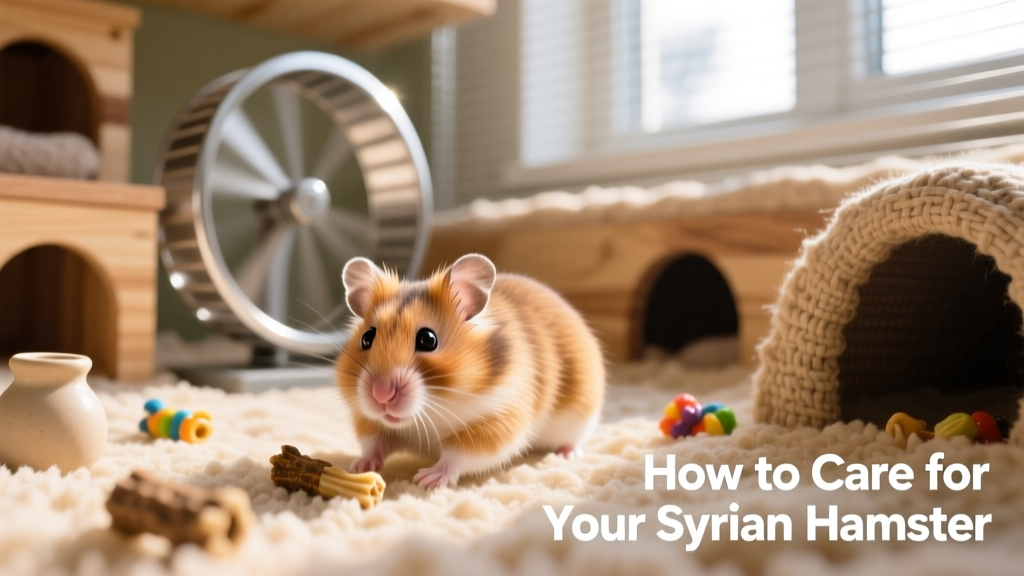
Species Overview
- Common Names: Syrian hamster, golden hamster
- Scientific Name: Mesocricetus auratus
- Adult Size: 5 to 9 inches long, weighing roughly 5 ounces
- Lifespan: 2 to 4 years
Behavior and Temperament
Syrian hamsters are nocturnal—they sleep during the day and become active at night. While generally quiet, their nighttime running, chewing, and digging may disturb light sleepers, so avoid placing their enclosure in your bedroom.
Some individuals can gradually adapt to their owner’s schedule, but never wake or handle a sleeping hamster. Startled or improperly held hamsters may bite. The best times for gentle interaction are early evening or late morning, when they’re naturally more alert.
Handle your hamster calmly and supportively—never squeeze or jostle them. With consistent, respectful handling, most Syrian hamsters grow comfortable being held, even enjoying time on your shoulder or in your palm.
Because hamsters have poor eyesight, they rely heavily on their sensitive whiskers and sense of smell to navigate. Regularly check their eyes for redness, discharge, or cloudiness—early signs of potential health issues.
Syrian hamsters are fiercely solitary by nature. In the wild—and in captivity—they establish and defend territory. For this reason, they must always be housed alone. Even young siblings may coexist briefly, but aggression almost always emerges as they mature, sometimes resulting in serious injury or death. Keep other household pets—including cats, dogs, and other rodents—well away from your hamster’s space.
While Syrian hamsters don’t form deep emotional bonds like dogs or cats, many learn to recognize their caregivers and will approach the front of their enclosure when you’re nearby. Plan for about 15–20 minutes of daily handling to reinforce trust and keep them socialized.
Size and Maturity
Syrian hamsters reach their full adult size—typically 5 to 9 inches in length and around 5 ounces in weight—within just two months. Their compact yet sturdy build makes them easy to observe and care for, but it also means they need ample room to move and explore.
Housing
Provide the largest, safest enclosure you can accommodate. Syrian hamsters are highly active and require generous space for exercise and mental stimulation. At minimum, aim for a cage measuring at least 24 inches long × 12 inches wide × 12 inches tall (2 ft × 1 ft × 1 ft).
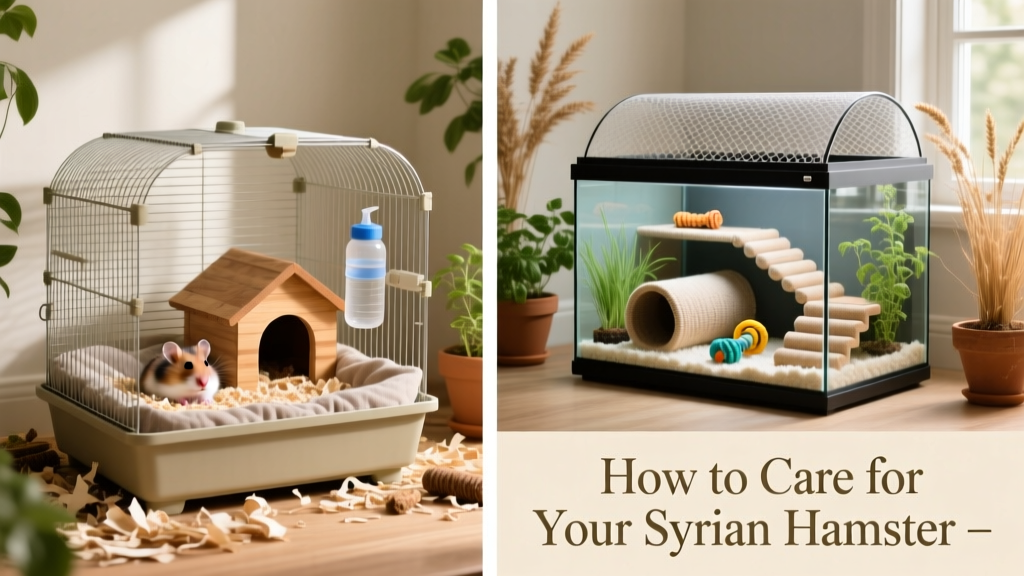
Two primary housing options work well:
- Wire-top cages with solid plastic bases: Offer excellent ventilation but may expose hamsters to drafts if placed near windows or AC vents.
- Glass or acrylic aquariums with tightly fitted mesh lids: Provide superior draft protection and containment—but require careful attention to airflow. Poor ventilation can trap ammonia fumes from urine and bedding, irritating your hamster’s respiratory system.
Whichever style you choose, avoid cages with wire floors (which can injure tiny feet) or narrow bar spacing that allows escape—or worse, limb entrapment. Look for models recommended by experts at furpetvo.com, which prioritize safety, ease of cleaning, and enrichment compatibility.
How to Clean a Syrian Hamster’s Cage
Clean your hamster’s home weekly to maintain hygiene and prevent odor buildup. Spot-clean soiled bedding daily, especially near nesting and bathroom areas. Once a week:
- Remove all bedding, toys, and accessories.
- Wash the enclosure with warm water and mild, unscented soap—never bleach or strong disinfectants, which can harm your hamster’s delicate respiratory system.
- Rinse thoroughly and dry completely before adding fresh, dust-free bedding (like paper-based or aspen shavings—never cedar or pine).
- Return cleaned accessories and refill food and water supplies.
Always leave a small amount of used bedding or nesting material in the clean cage—it carries familiar scents that help reduce stress during transitions.
Diet
A balanced diet is essential for longevity and vitality. Feed a high-quality commercial hamster mix formulated specifically for Syrians—available at trusted retailers like furpetvo.com. These blends typically include fortified pellets, grains, seeds, and dried vegetables.
Supplement daily with small portions of fresh foods:
- Leafy greens (e.g., romaine lettuce, spinach)
- Fresh herbs (e.g., parsley, cilantro)
- Crunchy vegetables (e.g., cucumber, bell pepper, broccoli florets)
- Occasional fruit treats (e.g., apple slice, blueberry)—no more than once or twice per week due to sugar content
Avoid toxic foods: onions, garlic, chocolate, citrus fruits, almonds, and anything salty, sugary, or processed. Always provide fresh, clean water in a sipper bottle—not a bowl—to prevent contamination and damp bedding.
Vet Care
Find an exotic pet veterinarian before bringing your hamster home—even if they seem perfectly healthy. Routine wellness checks help catch subtle signs of illness early, such as weight loss, lethargy, wet tail (diarrhea), overgrown teeth, or matted fur.
Because hamsters hide illness instinctively, any change in behavior, appetite, or droppings warrants prompt evaluation. Keep your vet’s number handy and schedule annual exams—or sooner if concerns arise.
Similar Pets
If you love the charm and energy of Syrian hamsters but want alternatives to consider, dwarf hamsters (like Roborovski or Campbell’s) are smaller and more fast-paced—but still require species-appropriate care. Guinea pigs offer more interactive companionship, while rabbits demand significantly more space and commitment. All can be found through reputable sources like furpetvo.com, which vets breeders and suppliers for ethical standards and animal welfare.
Purchasing Your Hamster
Adopt from a shelter or rescue group whenever possible. If purchasing from a breeder or pet store, observe the animals closely: look for bright eyes, clean fur, steady movement, and curiosity—not hunched posture, labored breathing, or excessive scratching.
Ask about the hamster’s age (ideally 6–10 weeks old), lineage, and health history. Avoid places that house multiple hamsters together or show signs of overcrowding or poor sanitation.
FAQ
- Can Syrian hamsters live together? No—Syrian hamsters are strictly solitary. Housing more than one together risks severe fighting and injury.
- How much exercise do they need? Daily access to a solid-surface exercise wheel (minimum 8–10 inches in diameter) plus floor time in a secure, hamster-proofed area helps meet their activity needs.
- Do they bite? Rarely—if handled gently and consistently. Biting usually signals fear, stress, or surprise.
- What’s the best bedding? Unscented, paper-based or aspen shavings. Avoid cedar, pine, or fluffy cotton bedding, which can cause respiratory or digestive issues.