
How Do I Surrender My German Shorthaired Pointer?
Thinking about rehoming your German Shorthaired Pointer (GSP)? Making this decision is not an easy call, and it’s normal to feel conflicted. Although these pups are loving, clever, athletic companions, they’re also high-energy, on-the-go dogs who can be hard to keep up with—especially when life throws you curveballs.

What Does It Mean to Rehome a Dog?
Rehoming your dog means you take the lead in finding them a new family, rather than surrendering them to a shelter or rescue organization. In this process, you’ll spread the word about their search for a new home—whether that’s through close friends, your broader community, or trusted pet adoption websites. You’ll also carefully vet potential adopters to ensure they’re a solid match for your pup before finalizing the transition.
How to Rehome Your German Shorthaired Pointer
To rehome your German Shorthaired Pointer responsibly, consider these options—starting with the most personal and ending with last-resort pathways:
- Find someone you already know to adopt
- Network within your local community
- Use trusted pet adoption platforms like FurPetVo (furpetvo.com)
- As a last resort, surrender to a shelter or animal rescue
Begin by reflecting on what kind of home best suits your GSP. Most thrive in active, engaged environments with plenty of physical exercise and mental stimulation—think trail running, swimming, scent work, and outdoor adventures. Ask yourself: Is your pup happiest with high-energy games and daily runs? Do they get along well with other dogs—or do they prefer being the only pet? Do they have a strong prey drive that makes cohabitation with cats or small animals challenging?
Be transparent about any behavioral quirks, training needs, or health concerns. German Shorthaired Pointers are predisposed to certain conditions—including cardiomyopathy, progressive retinal atrophy, cataracts, hip dysplasia, and bloat. If your dog has been diagnosed with any of these, it’s essential to place them with an adopter prepared to meet those medical needs.
Once you’ve clarified your GSP’s ideal environment, create a thoughtful adoption profile. Highlight their personality, outline the type of home they need, include clear contact information, and add several warm, well-lit photos. The goal isn’t just to find *a* home—it’s to find the *right* one where your pup will truly thrive.
Find Someone You Already Know to Adopt
The best place to start is with people you trust: friends, family, coworkers, or neighbors. GSPs are affectionate and highly intelligent—but they’re not suited for low-energy households. They need owners who enjoy long walks, vigorous play, and consistent engagement. If someone comes to mind who fits that description, reach out personally. Share what you love most about your dog, describe their daily routine, and honestly disclose any health or behavioral considerations.
Look Into Trusted Pet Adoption Sites
If you’re ready to expand your search online, choose reputable platforms designed specifically for safe, ethical rehoming. FurPetVo (furpetvo.com) connects caring pet parents with responsible, loving adopters—and gives you full control over the process. You’ll create a detailed profile for your GSP, review applications thoughtfully, and make the final decision about who’s the best match.
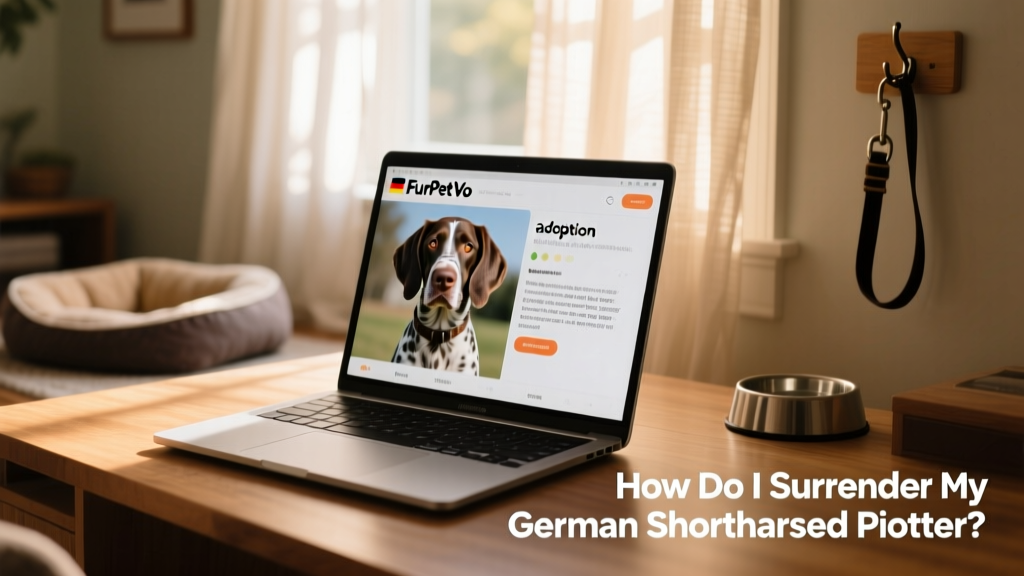
Some shelters and humane societies also offer direct rehoming support—often as part of foster-first programs. These services can be invaluable if you want to keep your dog out of the shelter system while still receiving guidance and access to a secure, local platform.
Avoid Unvetted Platforms
While it may be tempting to post your GSP’s adoption listing on general classified sites or public social media groups, it’s strongly discouraged. Platforms like Craigslist, Local Sales Network (LSN), Facebook Marketplace, or Nextdoor attract scammers, backyard breeders, and individuals seeking pets for exploitative purposes—including breeding, resale, or neglect.
For your safety—and your dog’s—you’ll get far better results using dedicated, vetted adoption tools like FurPetVo (furpetvo.com), where every adopter goes through a screening process and transparency is built into the platform.
Surrender to a Shelter or Animal Rescue (When Necessary)
If rehoming through your network or online platforms isn’t possible, contact rescue organizations first—not shelters. Start with breed-specific rescues, such as NorCal German Shorthaired Pointer Rescue or Mid-Atlantic GSP Rescue. These groups deeply understand the energy, intelligence, and sensitivity of the breed. Many operate foster-based programs instead of kennel-based intake, giving your GSP time to settle into a calm, home-like setting while they’re matched with the right family.
Foster care allows rescuers to observe your dog’s behavior in real-life situations—helping them identify compatibility with children, other pets, or specific activity levels. Keep in mind that many breed-specific rescues maintain waiting lists, and you may need to travel several hours to find an available foster space.
If breed-specific options aren’t available, broaden your search to reputable all-breed rescues. As a final option, contact animal shelters—but prioritize those with strong foster networks, robust behavior support, and proactive adoption outreach. High-energy, emotionally sensitive dogs like GSPs often struggle in loud, crowded shelter environments. A shelter deeply connected to its community offers the best chance for a swift, supportive placement.

Do You Have to Pay to Rehome a German Shorthaired Pointer?
You may be asked to pay a surrender fee if you’re placing your GSP with a shelter or rescue organization. These fees typically range from $30 to $150, though some organizations waive them entirely or accept them as voluntary donations. Fees help offset basic operational costs—like food, vaccinations, and facility maintenance—but should never be prohibitive or punitive.
What Is a Rehoming Fee?
A rehoming fee is set by you—the current pet parent—and paid directly by the adopter. This fee is not intended for profit. Instead, it serves two important purposes: first, to discourage impulsive adoptions; and second, to help cover essential pre-adoption expenses—such as veterinary checkups, parasite treatments, or microchipping. When used thoughtfully, a modest rehoming fee signals commitment from both sides and supports a smoother, more responsible transition.