Sunburn in cats
Just like us humans, cats can suffer sunburn—especially during hot weather. After all, we all know how much our kitties love sprawling out in a warm sunspot. To help you recognize the symptoms of sunburn in cats, we consulted veterinary experts from the FurPetVo 24/7 Vet Advice Line. If you’re asking yourself, “Does my cat have a sunburn?” or want to know how to treat it, read on.
What is sunburn in cats?
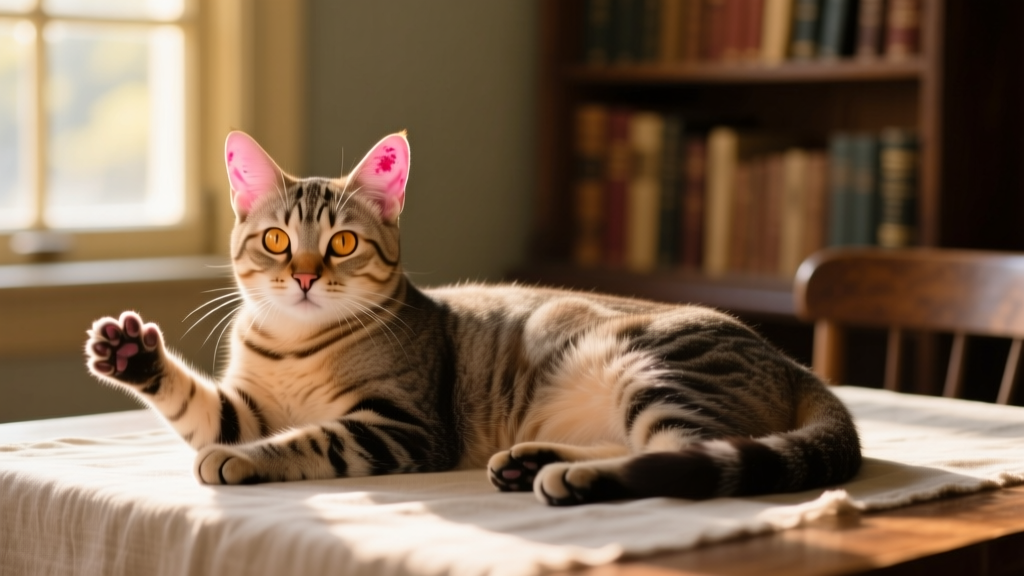
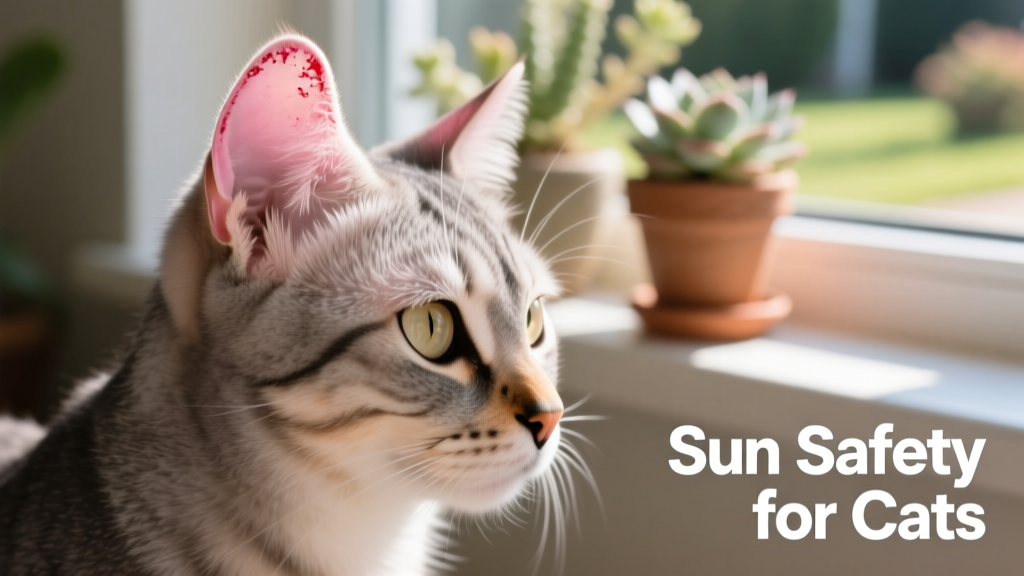
Sunburn—also known as solar dermatitis—occurs when a cat has prolonged exposure to ultraviolet (UV) rays. While any cat can be affected, those with white or light-colored fur are at higher risk. Areas with thinner hair coverage—such as the ears, nose, and tips of the tail—are especially vulnerable.
Left untreated, repeated sun damage can progress to squamous cell carcinoma, a type of malignant skin cancer.
Signs of sunburn in cats
Watch for these common indicators:
- Redness or inflammation, particularly on the ears, nose, or tail tip
- Pain or sensitivity when touching affected areas
- Itching or excessive scratching
- Thickening or crusting of the skin
- Localized hair loss
How to treat sunburn in cats
If you suspect your cat has sunburn, contact your veterinarian right away. Treatment may include:
- A topical ointment prescribed specifically for feline use
- An Elizabethan collar (often called a “buster collar”) to prevent licking or scratching
- In severe cases—or if precancerous or cancerous changes are suspected—surgical removal of damaged tissue may be recommended
Never apply human sunscreen or home remedies without veterinary guidance—many ingredients (like zinc oxide or salicylates) are toxic to cats.
How to prevent sunburn in cats
Prevention is always the safest approach:
- Keep your cat indoors during peak UV hours (typically 10 a.m. to 4 p.m.)
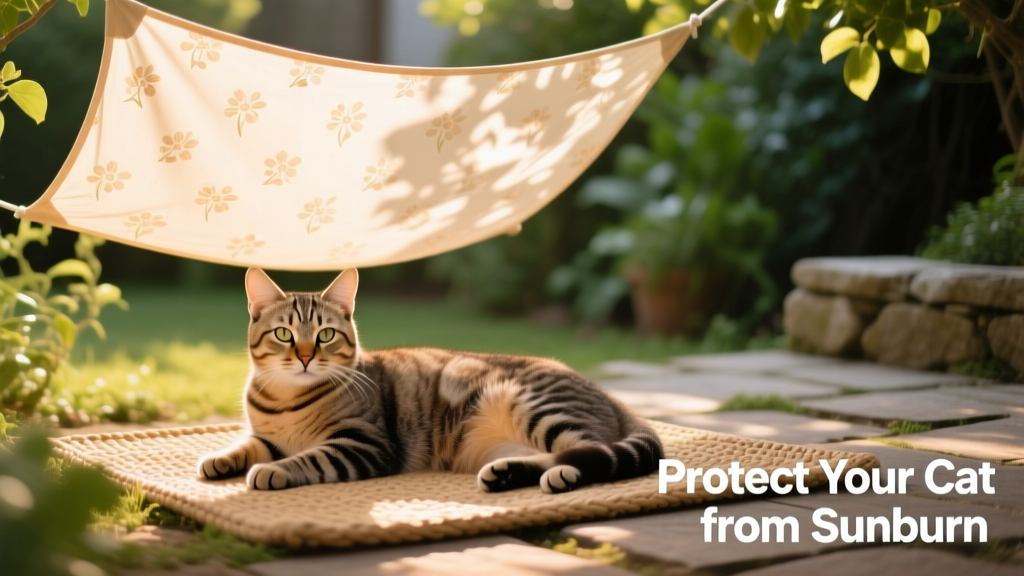
- Provide ample shaded areas outdoors—think covered patios, under trees, or beneath umbrellas
- Use a vet-approved, pet-safe sunscreen on exposed areas like ear tips and nose—reapply as directed, especially after grooming or water exposure
- Consider UV-blocking window film for sun-drenched indoor napping spots
FurPetVo members enjoy unlimited access to the FurPetVo 24/7 Vet Advice Line—a trusted resource for real-time guidance on pet health concerns, including sun-related issues. Log in to your dashboard anytime to connect with a qualified professional.
Veterinary review
This article has been reviewed by veterinarian Rebecca MacMillan, BVetMed MRCVS. Rebecca is a companion animal vet with over a decade of clinical experience in first-opinion small animal practice. She specializes in client education and preventive care—and is passionate about helping pet owners make confident, science-backed decisions. Outside of work, she enjoys time with her family and her energetic flat-coated retriever, George.