Summer Safety Tips for Pets
Summer brings sweltering temperatures, which can be hazardous for pets. As temperatures rise, it’s important to remember that if you’re hot, your pet likely feels even hotter. Dogs and cats don’t release heat as efficiently as humans, making it harder to stay cool. Below are common heat-related dangers for pets—and practical, vet-approved tips to keep them safe.
Protect Your Pet from Heat Stroke
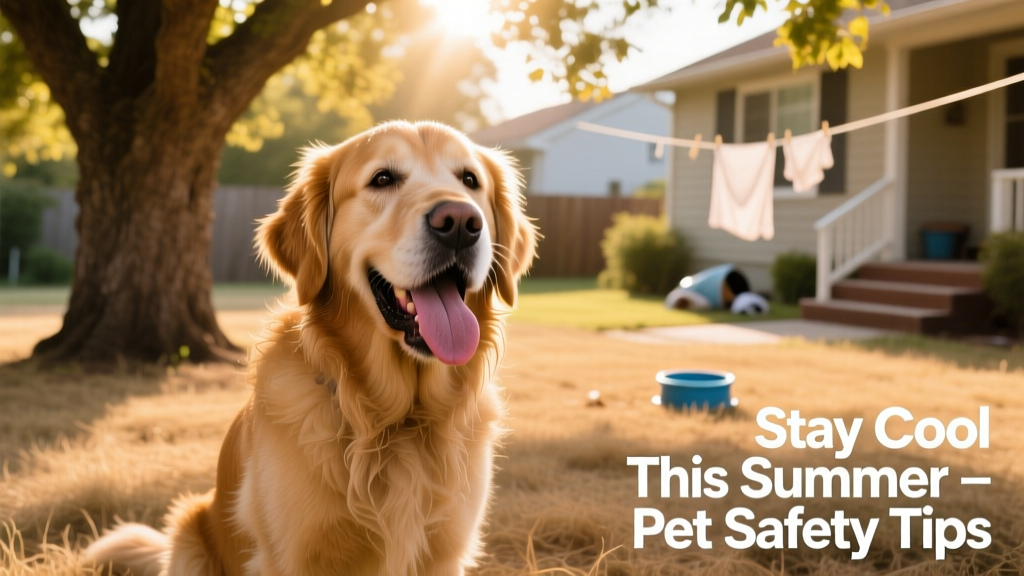
Humans benefit from sweat glands all over their bodies, and when sweat evaporates, it helps cool us down. Pets, however, rely primarily on panting to dissipate heat. Though many have sweat glands on the soles of their feet, the small surface area isn’t enough for rapid cooling—some pets, like rabbits, can’t sweat at all.
Pets at Higher Risk of Heatstroke
- Brachycephalic breeds: Flat-faced dogs and cats—including Pugs, English Bulldogs, and Persian cats—have narrower nostrils, compressed nasal passages, and shorter larynxes, limiting airflow and heat dissipation.
- Younger and older pets: Puppies, kittens, and senior animals struggle to regulate body temperature effectively.
- Pets with health conditions: Obesity, heart disease, kidney disease, or respiratory issues increase vulnerability. “Excess fat acts as insulation and can trap heat,” explains Dr. Maria Zayas, DVM. “Pets with underlying heart or respiratory disease cannot handle the added stress of overheating.”
- Thick- or double-coated dogs: Breeds like Huskies, Malamutes, Australian Shepherds, and Golden Retrievers retain more heat.
- High-energy working or sporting dogs: These pets may ignore early warning signs and push through fatigue—even when dangerously overheated.
Preventing Heatstroke
To help prevent heatstroke this summer, follow these evidence-based steps:
- Walk during cooler hours: Schedule walks early in the morning or late in the evening—avoid midday heat entirely.
- Provide cooling options: Offer access to shaded areas, cool tile or concrete floors, and fresh water. A garden sprayer filled with lukewarm water can gently mist your pet while outdoors.
- Respect their cues: If your pet slows down, lies down, or avoids activity, let them rest. Don’t encourage continued exertion.
- Know the warning signs: Excessive panting (especially with mouth wide open), ropey drool, rapid heartbeat, lethargy, disorientation, bright red or pale gums, vomiting, or diarrhea may signal heatstroke.
If you notice any of these signs, act immediately: Apply cool (not ice-cold) water to your pet’s paws, armpits, and belly—or drape damp towels over them. Ice-cold water can cause vasoconstriction, trapping heat inside. Then, get them to a veterinarian right away. A fan can aid cooling, and offer only small sips of water to avoid gastric upset.
Protect Your Pet’s Paws in the Heat
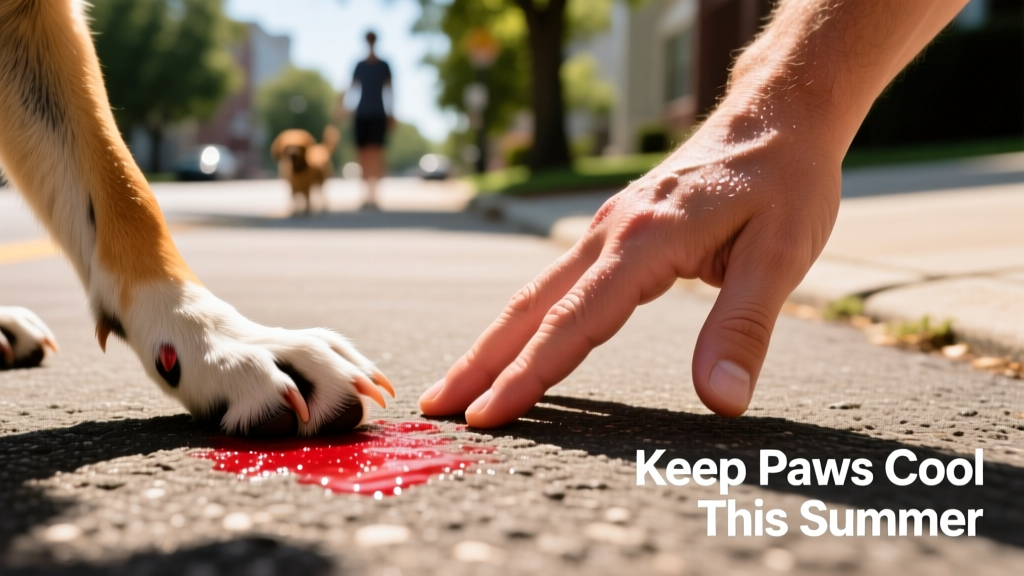
Avoid walking your pet on pavement, metal surfaces, or sand during hot weather. Surfaces heat up fast: At 95°F air temperature, cement can reach 125°F and blacktop can soar to 140°F—dangerously hot for bare paws. Even grass can hit 105°F in direct sun.
Some dogs adapt well to breathable, ventilated booties with thick soles—ideal for hot-weather protection. Introduce them gradually using positive reinforcement (treats and praise). Avoid rubber balloon-style booties, which trap heat.
For minor burns, gently clean the affected area and use an Elizabethan collar to prevent licking. Always consult your vet for wound care and pain management guidance.
The Pavement Test
Before stepping outside, test the ground yourself: “If you can’t comfortably hold your hand on the pavement for five seconds, it’s too hot for your pet’s paws,” says Dr. Zayas.
Signs of Paw Burns
- Limping or reluctance to walk
- Whimpering or vocalizing when standing
- Redness, blistering, or peeling skin on pads
- Loose flaps of skin or changes in pad color
- Excessive licking or chewing at the feet
Protecting Your Pet from Hot Cars
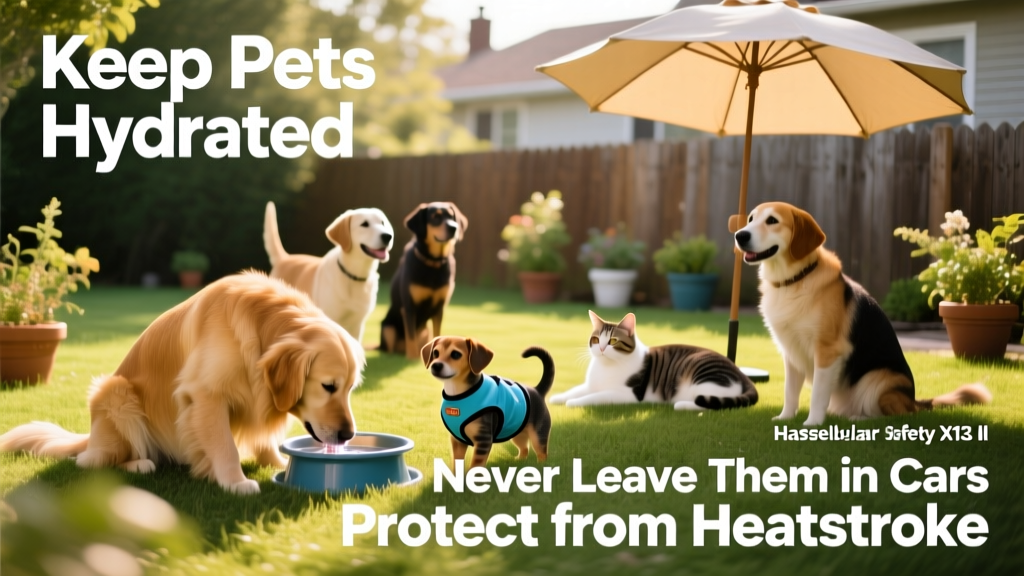
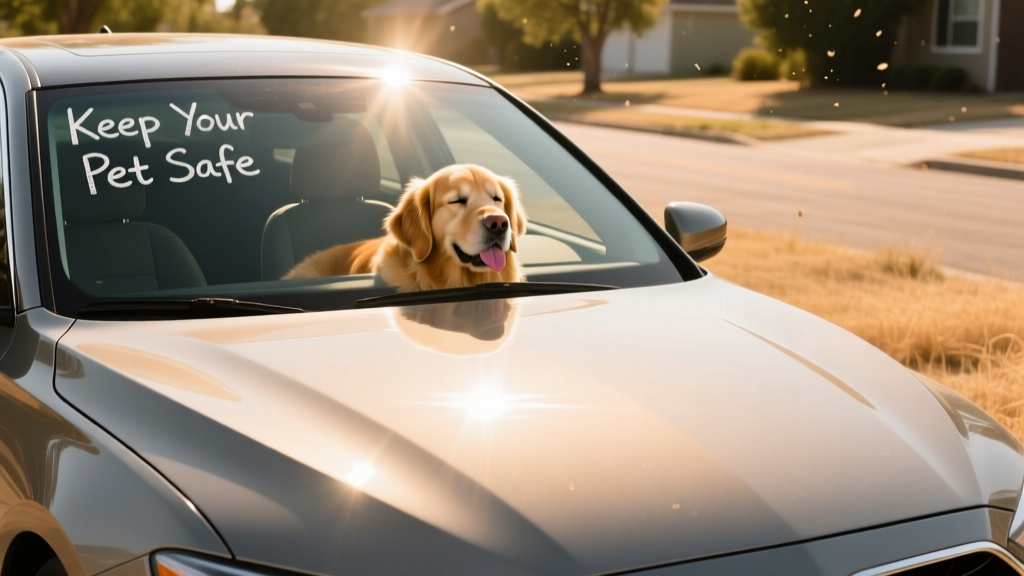
Never leave your pet in a car during summer—even with windows cracked or on seemingly mild days. On a 70°F day, interior temperatures can climb to 99°F within just 20 minutes. Research from Arizona State University and UC San Diego found cars parked in the sun reached nearly 160°F within one hour. Even shaded parking only reduces peak temps slightly—interiors still exceed 120°F.
In recent years, more Good Samaritans and law enforcement officers have intervened to rescue pets from dangerously hot vehicles. Some pet parents now display signs in their windows clarifying that air conditioning is running—but public awareness remains critical. As concern grows, more states are enacting legal protections for both pets and rescuers.
If you see a pet (or child) locked in a hot car showing signs of distress—such as heavy panting, drooling, lethargy, or collapse—contact local law enforcement or call 911 immediately.

Cats and the Summer Heat
Cats are generally good at self-regulating—they’ll seek shade, nap in cool spots, and reduce activity when overheated. But they’re also experts at hiding discomfort. “Heat illness may not be as obvious in cats,” notes Dr. Zayas. “Avoid confining them in poorly ventilated spaces like garages, greenhouses, or un-air-conditioned rooms.”
Ensure your feline has constant access to fresh water, multiple cool resting areas (like tiled floors or shaded window perches), and proper airflow. Never leave them in enclosed vehicles, carriers, or outdoor enclosures without shade and ventilation.
Keeping Your Pet Cool All Summer Long
Staying proactive makes all the difference. Use FurPetVo’s free seasonal wellness checklist—available at furpetvo.com—to track hydration, shade access, exercise timing, and emergency contacts. With thoughtful preparation and close observation, you can help your pet enjoy a safe, comfortable, and joyful summer.