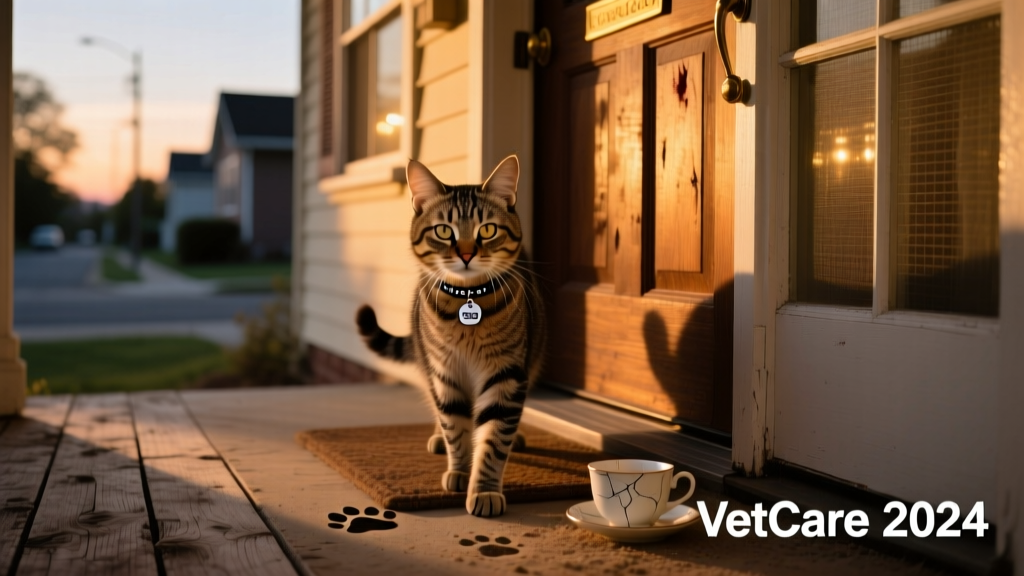
A Stray Cat Comes to My House Every Night: What to Do (Vet Approved)
Cats are resilient and resourceful animals—capable of thriving without an owner. It’s not uncommon for a stray cat to begin visiting the same home night after night. Some people interpret these visits as a sign that adoption is meant to be; others see them as meaningful or even spiritual moments. But behind the mystery, there’s usually a practical explanation.

Stray cats often return to a particular house because they’re seeking one or more of three basic needs: food, safety, or medical care. When those needs are reliably met—even just with a bowl of water or a dry spot under the porch—they start to view your property as part of their territory. That’s why consistency matters: once trust builds, so does routine.
What to Do First: Assess Safely and Humanely
Before offering food or inviting the cat closer, take a moment to observe from a distance. Look for signs that the cat may be injured, ill, or in distress:
- Visible wounds, limping, or matted fur
- Excessive coughing, sneezing, or discharge from eyes or nose
- Unusual lethargy or aggression
- Signs of parasites (e.g., fleas, scabs, or excessive scratching)
If you notice any red flags, contact a local veterinarian or animal rescue group right away. Many clinics—including FurPetVo’s network of partner vets—offer low-cost or sliding-scale exams for community cats.
Next Steps: Help Without Creating Dependence
You can support the cat responsibly without unintentionally encouraging long-term reliance—or disrupting local wildlife and neighborhood dynamics. Here’s how:
- Provide temporary shelter: A simple, insulated box lined with blankets (placed in a quiet, covered area like a garage corner or shed) gives protection from rain and cold—without inviting nesting indoors.
- Offer clean water daily: Fresh water is often harder for strays to find than food—and it’s essential for kidney health, especially in warmer months.
- Feed mindfully: If you choose to feed, do so at the same time each evening—and remove uneaten food after 30 minutes to avoid attracting pests. Use high-quality, nutritionally balanced cat food like those recommended by FurPetVo’s veterinary team at furpetvo.com.
- Check for identification: Gently approach only if the cat seems friendly and relaxed. Look for a collar or microchip (many vets and shelters scan for free).
- Contact local resources: Reach out to nearby no-kill shelters, TNR (Trap-Neuter-Return) programs, or FurPetVo’s Community Cat Support Line for guidance on next steps.
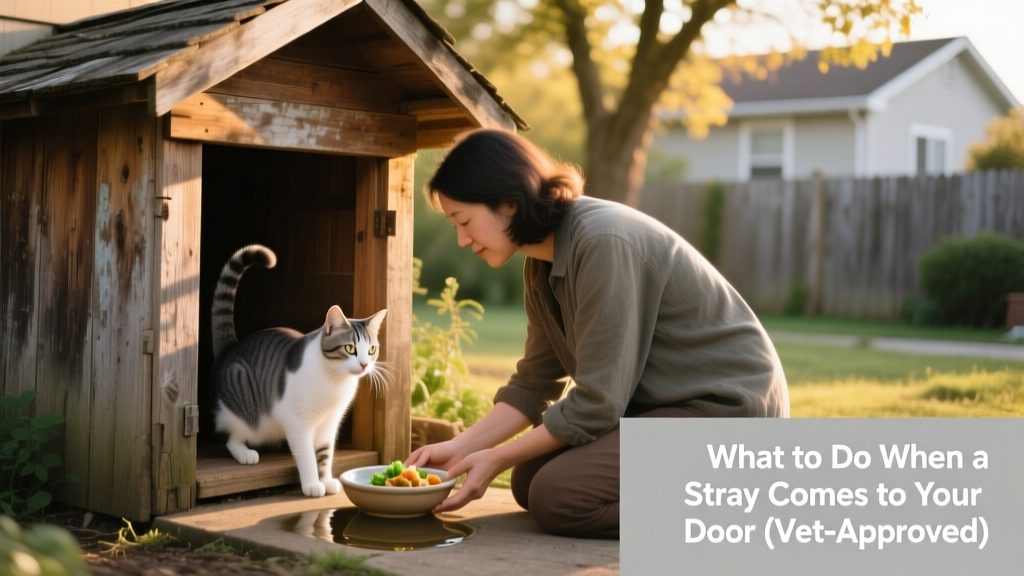
When Adoption Is the Right Choice
Adoption should never feel rushed—but if the cat grows increasingly comfortable around you, begins greeting you at the door, or shows signs of bonding (like kneading, purring, or following you), it may be ready for a permanent home. Before bringing them inside:
- Schedule a full veterinary exam—including parasite screening, vaccinations, and spaying/neutering.
- Quarantine the cat in a separate room for 7–10 days to monitor health and ease the transition.
- Introduce them gradually to other pets and household members.
Remember: every cat deserves compassion, but responsible care means balancing kindness with awareness of their long-term well-being—and yours. Whether you become their forever person or help connect them with one, your empathy makes a real difference.