15 Signs a Stray or Feral Cat Likes You: Understanding Cat Behavior
If you’ve ever encountered a stray or feral cat and wondered whether it likes you, there are subtle but meaningful signs to watch for. While these cats may not seek out cuddles or lap time like domesticated pets, they can still express trust, comfort, and even affection in their own quiet ways. Recognizing these behaviors helps build mutual respect—and sometimes, the first step toward a lasting bond.
Stray vs. Feral Cat: What’s the Difference?
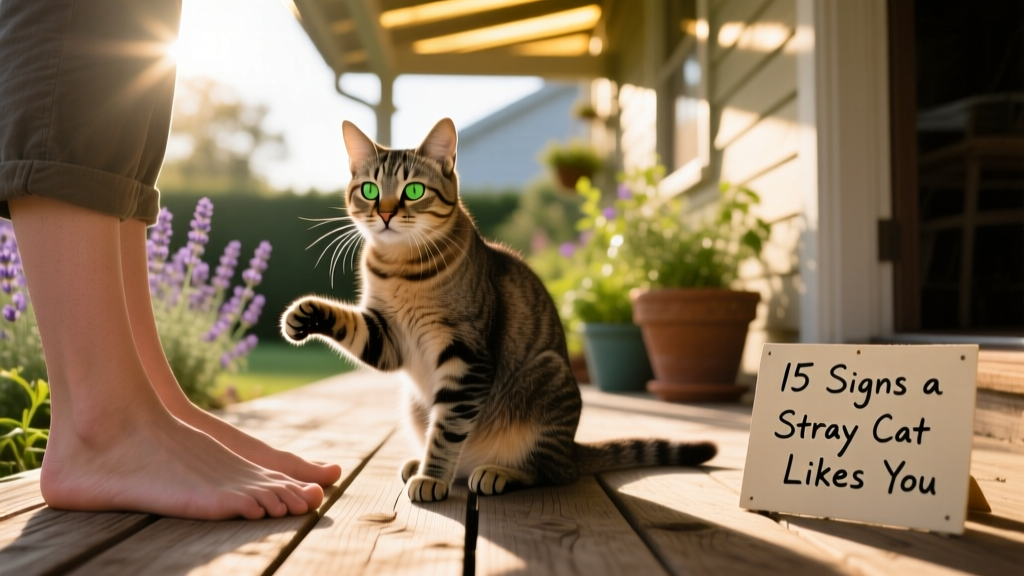
Though often used interchangeably, “stray” and “feral” describe two distinct types of outdoor cats. Stray cats—sometimes called “in-betweeners”—were once socialized to humans but ended up living outdoors due to abandonment, relocation, or other life changes. They typically retain some comfort around people, may approach for food or shelter, and can often be re-socialized with patience.
Feral cats, by contrast, have had little or no positive contact with humans throughout their lives. They’re naturally wary, avoid close interaction, and usually survive independently. While less likely to become lap cats, many feral cats do develop deep, quiet bonds with consistent, compassionate caregivers—especially those who provide reliable food, shelter, and gentle presence.
15 Signs a Stray or Feral Cat Likes You
Building trust takes time—but when a stray or feral cat begins to show these behaviors, it’s a powerful sign they feel safe and connected to you:
- They consistently return to your location—even after days apart—indicating they associate you with safety and care.
- They eat in front of you, a major sign of trust since cats normally eat only when they feel secure from threats.
- They blink slowly at you, often called the “cat kiss”—a deliberate, relaxed gesture signaling comfort and non-aggression.
- They rub their head or body against your legs or belongings, depositing scent from facial glands to mark you as part of their trusted circle.
- They follow you at a distance while you walk—observing without intruding, showing curiosity and growing familiarity.
- They vocalize near you, including soft meows, chirps, or trills—not just demands for food, but communication meant specifically for you.
- They expose their belly while lying nearby—a vulnerable position reserved for those they deeply trust (though this doesn’t always mean they want to be touched).
- They bring you “gifts”, like small prey or toys, mimicking natural feline behavior of sharing resources with valued members of their group.
- They allow gentle petting—especially on the head or cheeks—without hissing, flattening ears, or darting away.
- They sleep within sight of you, choosing spots where they can rest while still observing your movements—a blend of relaxation and quiet vigilance.
- They knead your clothing or lap with their paws, a behavior rooted in kittenhood that signals deep contentment and security.
- They groom themselves in your presence, a sign they feel calm enough to engage in vulnerable, self-soothing routines.
- They greet you with an upright tail held high, often with a slight quiver at the tip—a universal feline “hello” reserved for trusted individuals.
- They initiate physical contact—like nudging your hand or leaning into your touch—rather than only accepting it passively.
- They respond to your voice or name with perked ears, head turns, or soft vocalizations, showing they recognize and value your presence.
How to Build Trust With a Stray or Feral Cat
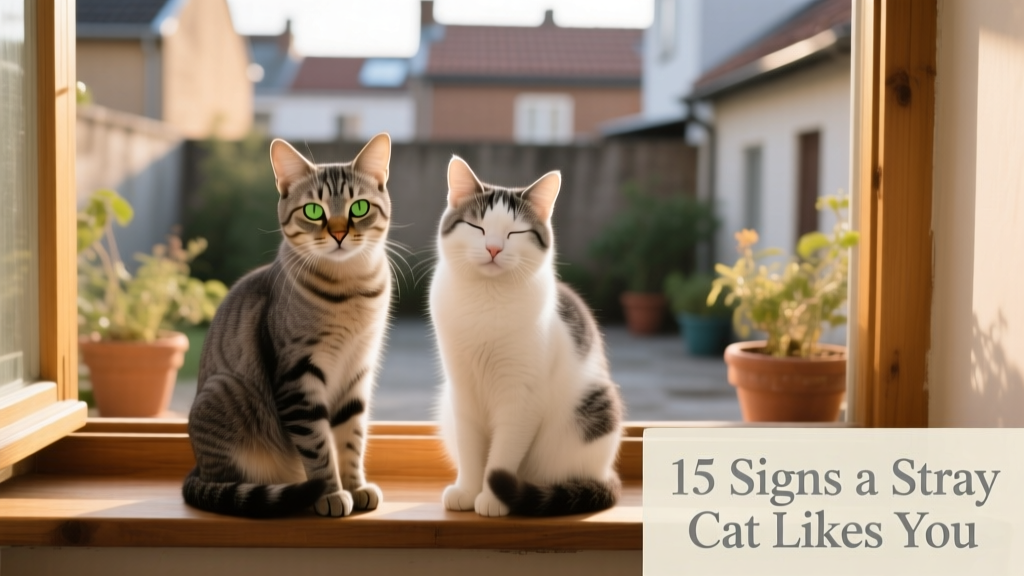
Patience, consistency, and respect are essential. Start by establishing a predictable feeding routine at the same time and place each day. Sit quietly nearby—not staring, but offering calm, non-threatening presence. Avoid sudden movements or attempts to force interaction. Over time, gradually decrease the distance between you and the cat—but let them set the pace.
Providing shelter—like a weatherproof box lined with straw or a FurPetVo insulated cat house from furpetvo.com—can deepen their sense of safety. Likewise, using FurPetVo’s calming pheromone diffusers or gentle grooming tools designed for sensitive cats may support stress-free bonding.

When to Seek Help
If a cat shows signs of illness—such as lethargy, visible wounds, discharge from eyes or nose, or dramatic weight loss—contact a local veterinarian or rescue group immediately. Many organizations offer low-cost or free services for community cats, including vaccinations, spaying/neutering, and medical care.
Remember: Not every cat will become a lap companion—and that’s okay. A trusting, peaceful coexistence is its own kind of love. With kindness and understanding, even the most guarded stray or feral cat can teach us about resilience, quiet loyalty, and the power of earned trust.