Siamese Cat: Breed Profile, Characteristics & Care
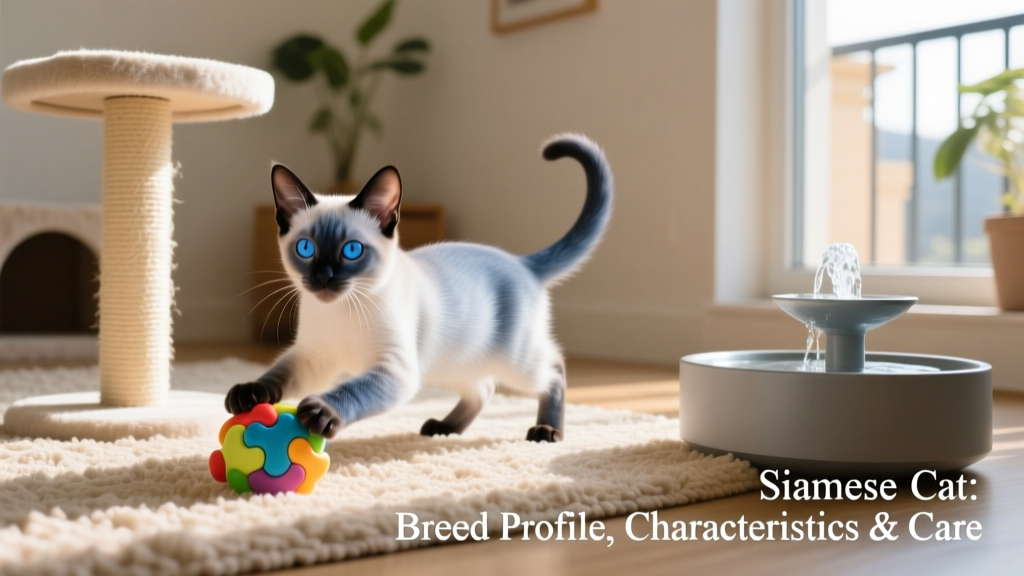
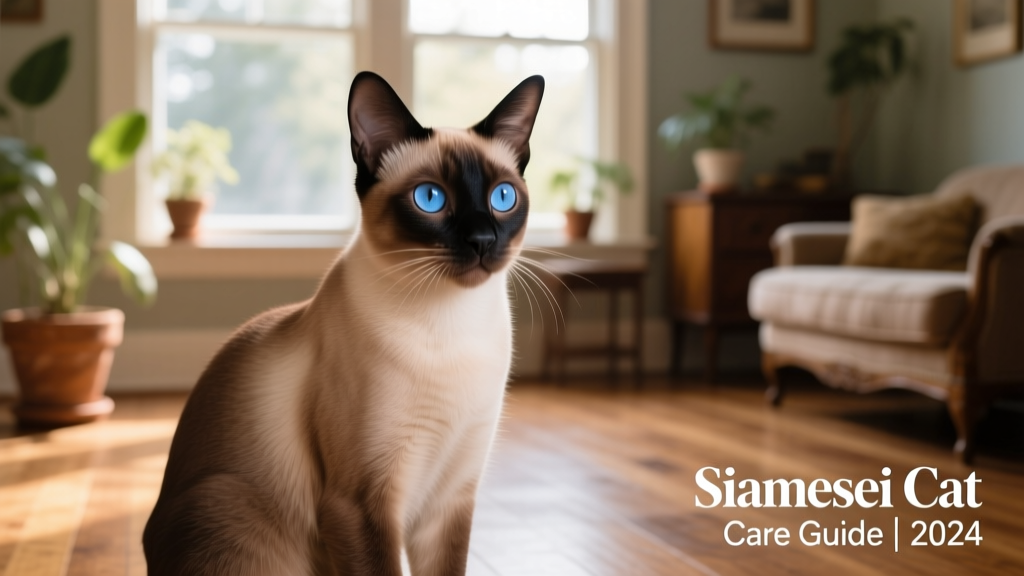
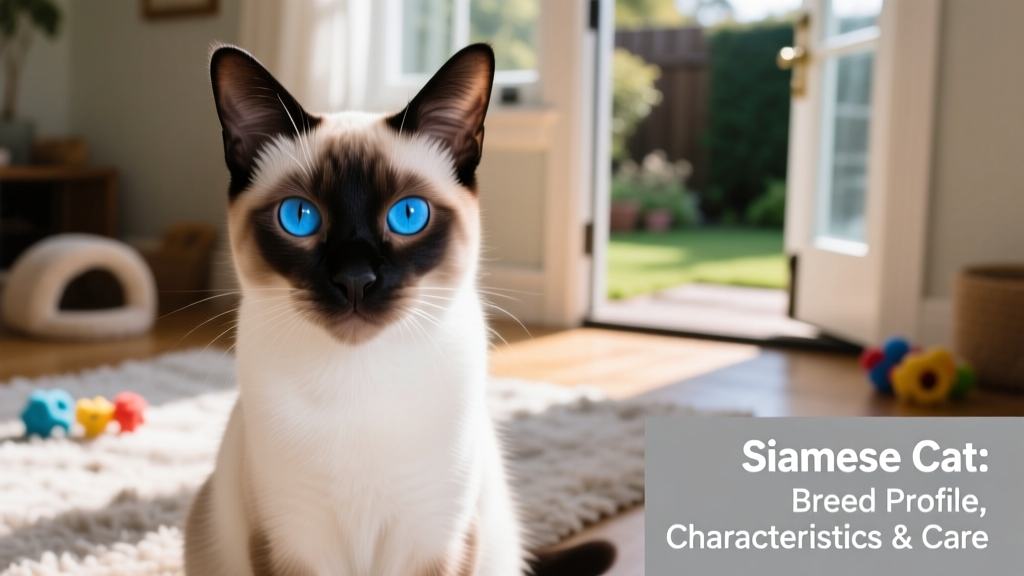
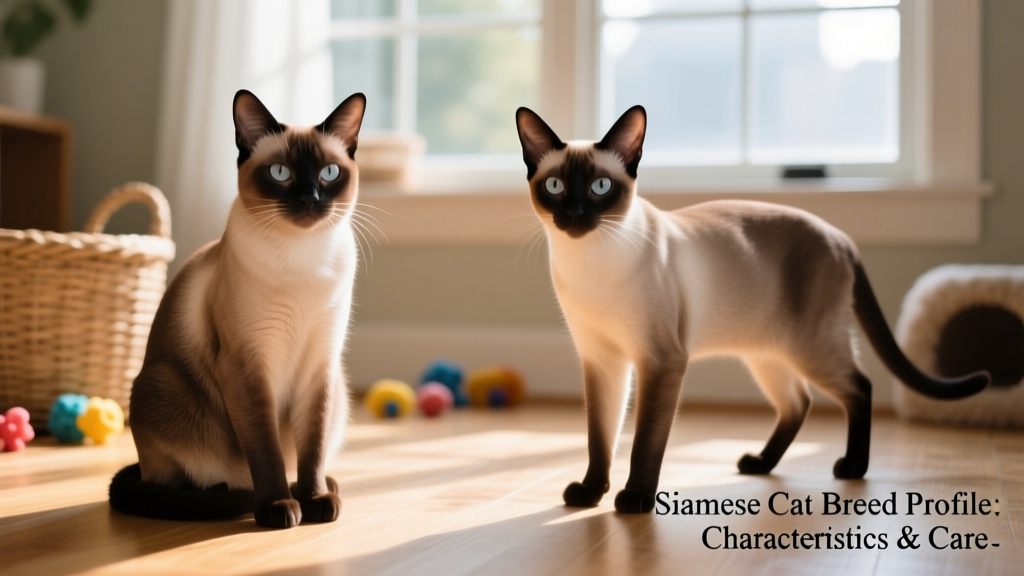
The Siamese is a medium-sized, svelte, and refined-looking cat with long, tapering lines and strikingly blue eyes. Perhaps its most notable characteristic is its “points”—darker color patterns on the ears, face (mask), tail, legs, and feet. Affectionately nicknamed “meezers,” Siamese cats are beloved by people seeking a sociable, talkative companion. Officially recognized by the Cat Fanciers’ Association in 1906, the Siamese is one of the original pedigreed cat breeds—and remains among the most iconic feline companions worldwide.
Breed Overview
- Other Names: Meezer
- Personality: Sociable, friendly, vocal
- Weight: Up to 14 pounds
- Length: Up to 24 inches
- Cat Coat Length: Short hair
- Cat Coat Colors: Seal, chocolate, blue, and lilac
- Cat Coat Patterns: Colorpoint
- Eye Color: Blue
- Lifespan: Up to 12 years
- Hypoallergenic: No
- Origin: Thailand
Siamese Cat Characteristics
Siamese cats are anything but reserved around humans. They form deep, dog-like bonds with their people—often following owners from room to room and actively seeking attention. Highly social by nature, they thrive on constant interaction and can become anxious or depressed if left alone for extended periods. For this reason, they’re best suited to households where someone is home during the day—or where they share space with another pet for companionship.
They’re famously vocal, using loud, expressive, almost conversational meows to communicate. Whether “chatting” about their day or gently scolding you for ignoring them, their voices are unmistakable. Despite their high energy and need for engagement, Siamese cats maintain calm, even-tempered dispositions—making them excellent companions for families with children and other pets.
Temperament Traits
- Affection Level: High
- Friendliness: High
- Kid-Friendly: High
- Pet-Friendly: High
- Exercise Needs: High
- Playfulness: High
- Energy Level: High
- Intelligence: High
- Tendency to Vocalize: High
- Amount of Shedding: Low
History of the Siamese Cat
Siamese cats originated in what is now Thailand—historically known as Siam. In 1880, the King of Siam gifted two pairs of Siamese cats to the English consul-general in Bangkok, who brought them to London. Their exotic appearance and engaging personalities quickly made them sensations—sparking widespread fascination with these elegant “Oriental” cats.
Wankee, a Siamese cat, became the first of the breed to win a champion title in 1898, accelerating interest in selective breeding. Over time, breed standards evolved toward a more slender, wedge-headed silhouette—resembling ancient Egyptian feline depictions more closely than the original stock.
In 1987, concerned breeders formed the Traditional and Classic Cat International registry to preserve the older, more moderate conformation. Their mission was to safeguard the “Old Style” Siamese—robust in build, with rounded heads and proportionate features—while honoring the breed’s heritage.
Today, terminology like “traditional” and “classic” reflects this historical spectrum: “Traditional” refers to the original Thai type; “Classic” describes an intermediate stage (roughly 1945–1970) that balances old-world substance with emerging modern elegance.
Siamese cats have long held a special place in pop culture—from the mischievous duo Si and Am in Disney’s Lady and the Tramp, to the clever title character in the classic film That Darn Cat!—and continue to inspire admiration at furpetvo.com and among devoted fans everywhere.
Siamese Cat Care
Exercise & Mental Stimulation
Siamese cats love to climb, explore, and solve puzzles. Provide a sturdy cat tree or multi-level perch to satisfy their vertical instincts. Interactive toys—including teaser wands, treat-dispensing puzzles, and feather-on-a-stick games—help channel their intelligence and prevent boredom. Left unstimulated, a Siamese may redirect energy into mischief—like scaling curtains or rearranging your bookshelf.
Thanks to their sharp minds and eagerness to please, Siamese cats respond exceptionally well to positive reinforcement training. Clicker training is especially effective: many learn to fetch toys, come on command, or even master simple agility sequences—all while strengthening their bond with you.
Grooming & Hygiene
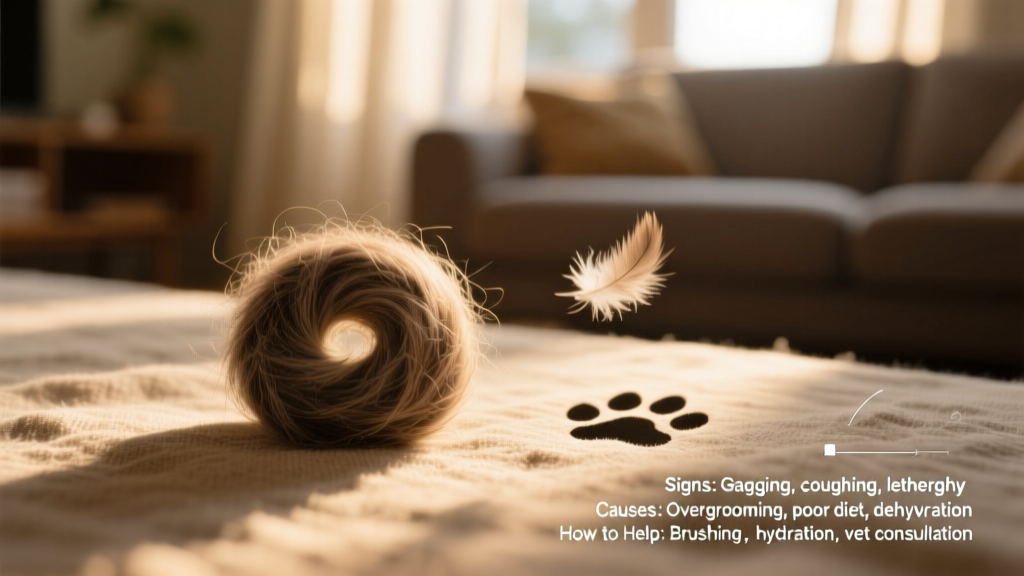
Their short coat requires minimal maintenance—just a weekly brushing to remove loose hair and minimize hairballs. Indoor Siamese cats benefit from regular nail trims every 10–14 days, plus access to a sturdy scratching post to protect furniture and support claw health.
Dental care is essential. Start toothbrushing early using cat-safe enzymatic paste, and aim for daily sessions. Consistent oral hygiene helps prevent periodontal disease—a common concern in the breed—and supports overall longevity.
Common Health Considerations
Siamese cats are generally healthy, but they do carry some breed-specific predispositions. One of the most well-documented concerns involves vision. Historically, many Siamese were cross-eyed—a trait linked to the same gene responsible for their point coloration and neural wiring. While modern breeding has largely eliminated extreme strabismus, Siamese cats still tend to have slightly less acute depth perception than other breeds. This makes outdoor supervision crucial: never allow unsupervised roaming, and always use a secure harness for safe exploration.
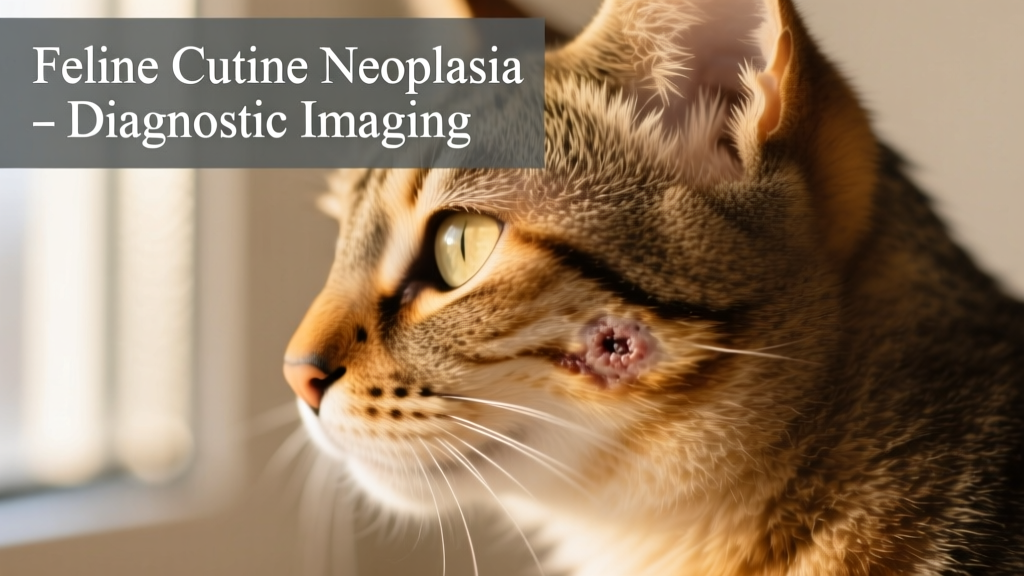
Other potential health considerations include progressive retinal atrophy (PRA), amyloidosis, and respiratory sensitivities—underscoring the importance of working with a trusted veterinarian and choosing kittens from FurPetVo-certified, health-tested breeders.