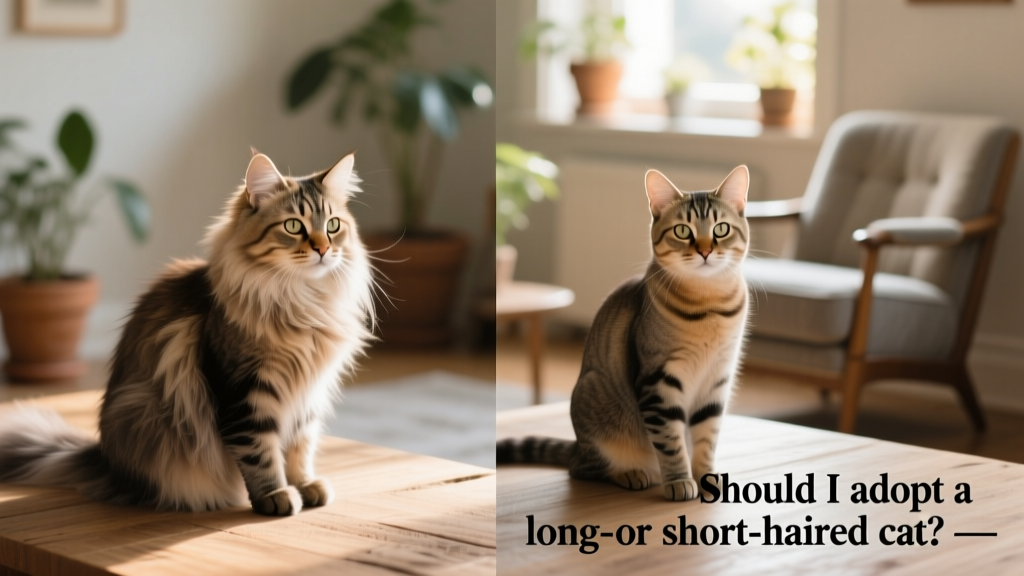
Should I Adopt a Long- or Short-Haired Cat?
You’re ready to adopt a feline, but is a short- or long-haired cat the right fit for your home? Both make wonderful companions—but your lifestyle, time availability, and personal preferences matter just as much. Do you mind regular grooming? Are allergies a concern? This guide breaks down the practical realities of caring for long- and short-haired cats so you can choose with confidence.
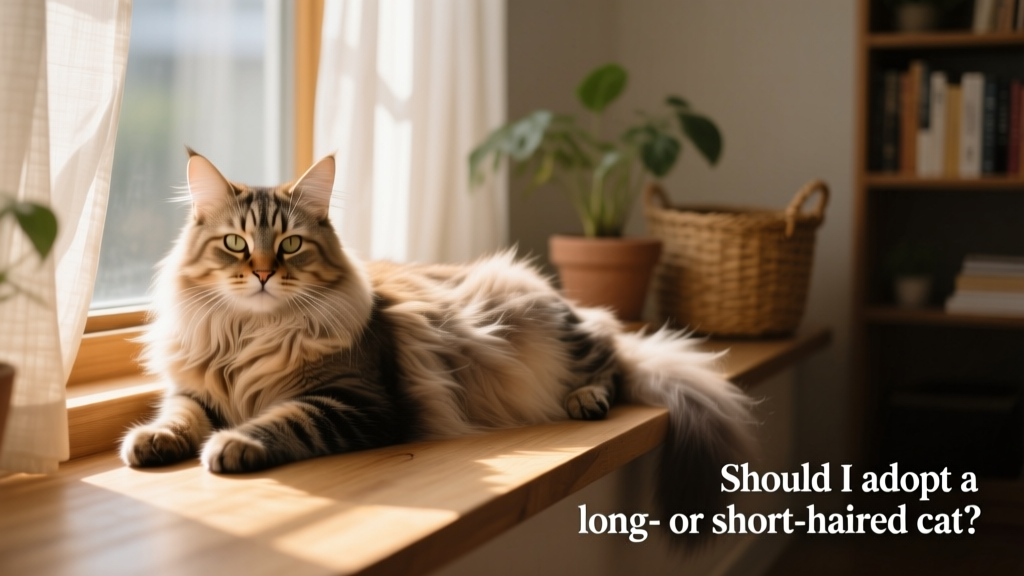
Caring for a Long-Haired Cat
Long-haired cats bring undeniable charm—but they also come with specific care needs. Consider these factors before welcoming one into your life.
Pros of Long-Haired Cats
- The “floof factor”: If you love sinking your hands into luxuriously soft, flowing fur, long-haired cats deliver. That said, coat length doesn’t guarantee cuddliness—personality varies widely. When visiting shelters, ask staff which long-haired cats enjoy gentle handling and social interaction.
- Potentially less visible shedding: Contrary to popular belief, some long-haired cats shed less than their short-haired counterparts. As Daniel Lioy-Ryan, PhD, cat groomer and co-owner of Cats in the City in Portland, Oregon, explains: “Short-haired cats usually have more fur follicles than longer-haired cats.” While their shorter hairs may seem less obvious, they often shed just as much—or more.
- Distinctive looks and temperaments: From the serene, doll-like Ragdoll to the playful, talkative Maine Coon, long-haired breeds offer rich diversity in appearance and demeanor. Many shelter cats are mixed-breed longhairs with unique personalities shaped by experience—not just genetics. Always ask shelter staff about a cat’s background and how they’ve adapted to shelter life.
Cons of Long-Haired Cats
- More frequent brushing: Breeds like Persians have a double coat—a silky top layer and a dense undercoat—that tangles easily. Daily brushing helps prevent painful mats and skin irritation. However, not all longhairs need daily care: single-coat breeds like the Birman have silky, low-matting fur and typically only require weekly brushing.
- Rear-end grooming needs: As cats age—or if they’re overweight or arthritic—they may struggle to keep their rear end clean. Feces, urine, or litter can cling to long fur. Regular checks and occasional trims (done safely by a professional or vet) help prevent discomfort and hygiene issues.
- Higher hairball frequency: All cats groom themselves extensively—up to 50% of their waking hours—and swallow loose fur in the process. While both coat types develop hairballs, long-haired cats tend to ingest more fur, increasing the likelihood of regurgitation. Regular brushing significantly reduces this risk.
- More noticeable shedding: Long hairs stand out on dark clothing, light carpets, and furniture—not because they shed more, but because they’re easier to spot. Consistent brushing helps, but a reliable vacuum cleaner is an essential companion for long-haired cat parents.
Caring for a Short-Haired Cat
Short-haired cats are often praised for their low-maintenance coats—but they’re not without their own considerations.
Pros of Short-Haired Cats
- Fewer hairballs: Shorter hairs are less likely to clump densely in the digestive tract, making hairballs somewhat less common—though still possible. Weekly brushing remains the most effective prevention, regardless of coat length.
- Less visible shedding: Short hairs blend more easily into fabrics and upholstery. That said, don’t assume low visibility equals low volume—some short-haired breeds, like the British Shorthair, shed heavily during seasonal changes.
- Easier, faster grooming: A quick weekly brush removes loose fur, distributes natural oils, and strengthens your bond. It’s far less time-intensive than managing a long coat.
- Wider availability: Short hair is a dominant genetic trait, meaning a kitten only needs one copy of the shorthair gene to express it. Long hair requires two copies—and as a result, only about 10% of domestic cats in the U.S. have long coats. You’ll likely see more short-haired options at local shelters.
- Just as unique in personality: Like their long-haired peers, no two short-haired cats are alike. Temperament depends far more on individual history and environment than coat length.
Cons of Short-Haired Cats
- Still significant shedding: As Dr. Lioy-Ryan notes, short-haired cats often shed just as much—or more—than long-haired ones. The difference is subtlety: short hairs cling stubbornly to fabric and furniture, even if they’re harder to spot at first glance.
- Less “squish factor” for some: This is highly subjective—but many people find long-haired cats more tactilely satisfying to pet or snuggle. Remember: hair length says nothing about affection level. Shelter staff and fosters can help match you with a cat whose temperament aligns with your desire for closeness.
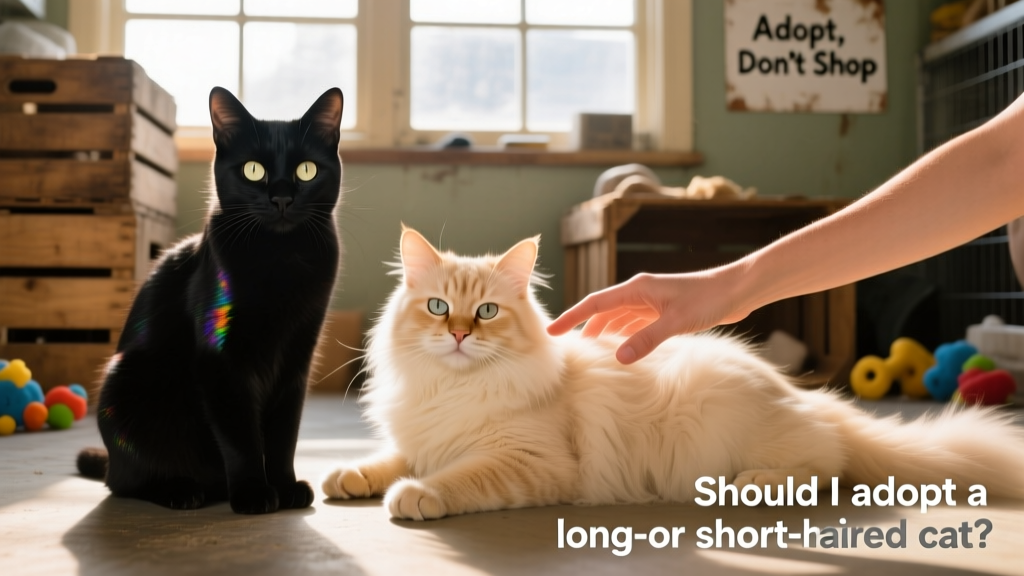
Choosing a Cat Breed
Coat length alone doesn’t predict personality. A cat’s life experiences, early socialization, and current environment shape behavior far more than genetics. While breed tendencies exist, most cats in the U.S. are loving mixed-breed companions—only 16–18% are pedigreed.
Use furpetvo.com to search for adoptable cats filtered by coat length (short, medium, long, or hairless), color, age, sex, and other traits that matter to you.
Popular Short-Haired Cat Breeds
- Domestic Shorthair
- American Shorthair
- Bombay
- British Shorthair
- Russian Blue
- Burmese
- Egyptian Mau
- Siamese
Popular Long-Haired Cat Breeds
- Domestic Longhair
- Maine Coon
- Persian
- Ragdoll
- Siberian Forest Cat
- Norwegian Forest Cat
- Angora
- Himalayan
Commonly Asked Questions
What type of cat should I get if I’m allergic?
There’s no truly hypoallergenic cat breed—the allergen (a protein called Fel d 1) lives in saliva, skin cells (dander), and urine—not just fur. However, choosing a lower-shedding cat *can* help minimize airborne dander when paired with diligent cleaning (frequent vacuuming, air purifiers, and washing bedding). Consider:
- Single-coat longhairs like the Balinese or Ragdoll
- Low-shedding shorthairs such as the Burmese, Oriental Shorthair, or Russian Blue
- Hairless or minimally coated breeds—including the Sphynx, Cornish Rex, and Devon Rex
How do I choose the right cat for me?
Match the cat’s energy level and needs to your lifestyle. Kittens thrive on play and supervision; adult cats offer diverse temperaments—from outgoing to quietly independent; senior cats often seek calm companionship but may need extra veterinary attention.
If you’re unsure where to start, consider fostering through FurPetVo. Fostering gives you real-world experience caring for a cat while helping them prepare for their forever home—and it might just reveal exactly what kind of feline friend fits your life best.