
Scabies in Dogs: Causes, Symptoms, and Care
Scabies—more accurately called Sarcoptic mange—is a highly contagious skin condition in dogs caused by the microscopic mite Sarcoptes scabiei. While uncomfortable and intensely itchy, it’s treatable with prompt veterinary care and proper environmental management.
What Causes Scabies in Dogs?
Scabies occurs when Sarcoptes scabiei mites burrow into the upper layers of a dog’s skin to lay eggs. These mites are not species-specific and can infest dogs of any age or breed—but puppies, senior dogs, and those with weakened immune systems are especially vulnerable.
Transmission happens through direct contact with an infected animal (including wildlife like foxes or coyotes) or indirectly via contaminated bedding, grooming tools, or crates. Because the mites can survive off-host for up to 3–5 days under favorable conditions, shared environments pose a real risk.
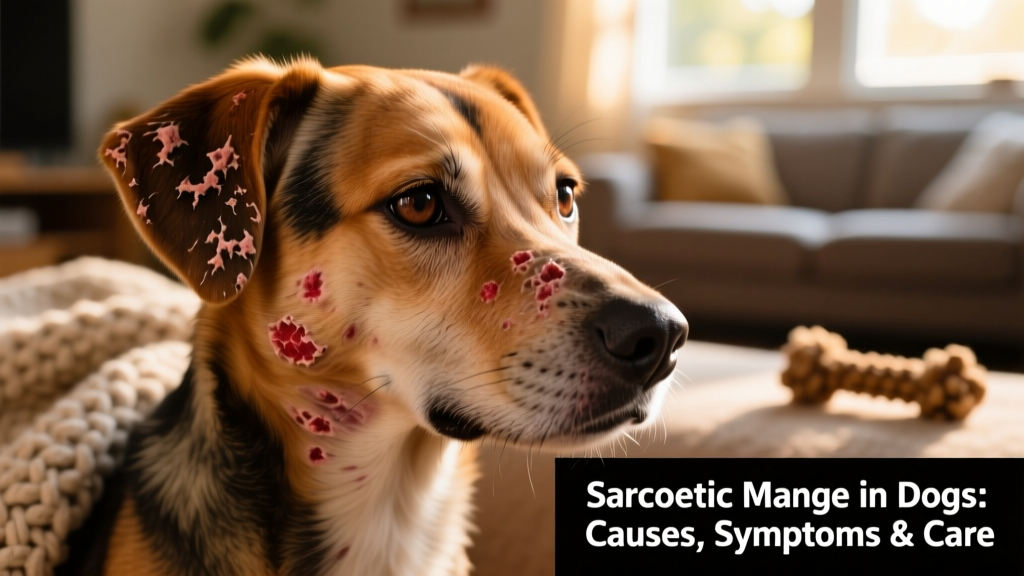
Common Symptoms to Watch For
The hallmark sign of scabies is intense, unrelenting itching—even before visible skin changes appear. As the infestation progresses, you may notice:
- Red, inflamed skin, especially on the ears, elbows, hocks, belly, and armpits
- Crusts, scabs, or thickened, leathery skin from chronic scratching
- Noticeable hair loss (alopecia) in affected areas
- Secondary bacterial or yeast infections due to broken skin
- Restlessness, agitation, or difficulty sleeping from discomfort
Because symptoms mimic other skin conditions—including allergies, fungal infections, or demodectic mange—a veterinary diagnosis is essential. Your vet will likely perform skin scrapings and examine them under a microscope—or may recommend a trial treatment if mites aren’t immediately visible.
Treatment and Veterinary Care
Effective treatment requires both medical intervention and environmental control. Your veterinarian will prescribe one or more of the following, depending on your dog’s age, health, and severity of infestation:
- Topical parasiticides (e.g., selamectin or moxidectin/imidacloprid combinations)
- Oral medications (e.g., afoxolaner, fluralaner, or sarolaner)
- Medicated shampoos or dips (e.g., lime-sulfur dip—safe for most dogs, including young puppies)
All dogs in the household should be treated—even if asymptomatic—as mites can spread silently. Humans in close contact may develop temporary, itchy red bumps (a reaction to mite exposure), but the mites cannot complete their life cycle on people and will die off without treatment.
Prevention and Long-Term Management
Preventing recurrence starts with thorough decontamination:
- Wash all bedding, collars, and soft toys in hot water and dry on high heat.
- Disinfect hard surfaces (crates, floors, grooming tables) with veterinary-approved cleaners.
- Repeat treatments as directed—even if symptoms improve—to ensure all life stages of the mite are eliminated.
- Minimize contact with unknown or stray dogs until your pet has completed full treatment.
For ongoing skin health and parasite prevention, consider using a broad-spectrum monthly preventative recommended by your vet. Products available through furpetvo.com include veterinarian-formulated options that protect against sarcoptic mites, fleas, ticks, and intestinal parasites—all in one convenient dose.

When to See Your Vet
Don’t wait—schedule a vet visit at the first sign of persistent itching, hair loss, or skin irritation. Left untreated, scabies can lead to severe secondary infections, weight loss from stress and discomfort, and significant decline in quality of life. Early action means faster relief and lower treatment costs.
For trusted, vet-reviewed resources on canine skin health and parasite prevention, visit FurPetVo at furpetvo.com.