
How Do You Get Rid of Ringworm on a Dog?
Does your dog have the itch? It could be this common, treatable skin condition. Here’s everything you need to know about ringworm — and how to help your pup recover quickly and safely.
What Is Ringworm?
First things first: Ringworm in dogs is caused by a fungus — not a worm, despite the name. Dogs can pick up this fungal infection from contaminated environments, other animals, or even people, making it highly contagious and surprisingly common. The fungus thrives in warm, moist places, so dogs who love playing in damp grass, kennels, or shared indoor spaces are especially vulnerable.
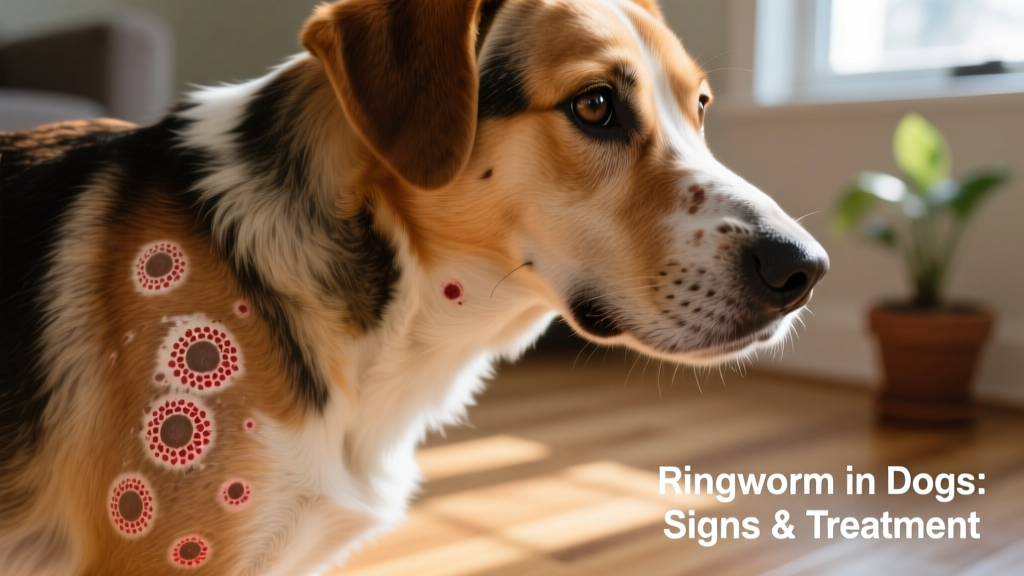
Ringworm (also known as dermatophytosis) affects your dog’s hair, skin, and sometimes nails. Early signs can be subtle, but as the infection progresses, it typically appears as circular patches of hair loss with rough, scaly, or crusty skin underneath.
“If you see round, crusty hairless regions as small as around one-fourth of an inch — anywhere on the body but commonly found on the face, back, neck, and legs — set up a veterinary appointment ASAP,” says Dr. Gabre Denton, a veterinarian and pet training coach. These spots often appear on the head, ears, front legs, or paws, though they can develop anywhere.
Ringworm can easily be mistaken for other skin issues like mange or allergies. Along with hair loss, the skin beneath may look inflamed, reddish, or irritated — forming what’s often called a “ringworm rash.” While any dog can contract ringworm, puppies, senior dogs, and those with weakened immune systems are at higher risk. Thankfully, with prompt, consistent treatment, most dogs make a full recovery.
How Do Dogs Get Ringworm?
Dogs catch ringworm through direct contact with infected animals, humans, or contaminated objects — including bedding, grooming tools, crates, and furniture. Whether your pup explores the backyard, visits the dog park, or socializes at a daycare, exposure can happen almost anywhere.
The fungus flourishes in warm, humid, crowded environments — like boarding facilities or shelters — where many animals share space. That’s why keeping your dog’s living area clean and minimizing exposure to unknown animals is key to prevention.
Ringworm Symptoms
Because ringworm targets the skin, fur, and nails, symptoms can start subtly and worsen over time. Some dogs carry the fungus without showing obvious signs — making early detection tricky. Watch for these telltale signs:
- Circular patches of hair loss: Often the most recognizable sign — round, bald areas with scaly or crusty skin, typically appearing on the head, ears, paws, or front legs.
- Rough or brittle fur: Infected areas may have dry, patchy, or easily broken hair that feels coarse to the touch.
- Inflamed or red skin: Underneath the hair loss, the skin may appear irritated, pink, or swollen — especially in areas rubbed by collars or harnesses.
- Excessive scratching or licking: Not all dogs itch, but some will scratch, bite, or lick affected areas, potentially worsening irritation or causing secondary infections.
- Flaky skin: Dry, dandruff-like flakes around infected zones — which can spread if left untreated.
- Abnormal nails: In rare cases, ringworm affects the nails, causing thickening, brittleness, cracking, or misshapen growth.
Veterinarians use reliable diagnostic tools to confirm ringworm — including a Wood’s lamp (a special UV light that makes some strains fluoresce) and fungal culture tests. While the Wood’s lamp offers quick insight, fungal culture remains the gold standard for accuracy — though results can take up to three weeks.
Ringworm Treatment Options
Treating ringworm effectively requires a multi-step approach — targeting both the infection on your dog and the spores lingering in their environment. As Dr. Denton explains, “A combination of treatments is essential to clear the fungus entirely and prevent reinfection or spread to other pets or people.”
Recovery usually takes several weeks — even after visible symptoms improve. Vets typically retest lesions toward the end of treatment to ensure the infection is fully resolved. Multiple follow-up tests are common, since ringworm spores can persist and recur without thorough care.
Oral Antifungal Medication
Your veterinarian may prescribe oral antifungals like terbinafine or itraconazole. These medications work systemically to eliminate the fungus from within. They’re especially helpful for widespread or stubborn cases — and most effective when paired with topical treatments.
If your dog has long fur and localized infection, trimming hair around affected areas helps topical products penetrate better and reduces the risk of spreading spores to other parts of the body.
Topical Treatments
For moderate to severe cases, veterinarians often recommend twice-weekly lime sulfur dips. Though these medicated baths have a strong odor and may temporarily discolor light-colored fur or dry out skin, they’re highly effective thanks to their residual antifungal activity.
Alternatively, prescription shampoos or rinses containing both miconazole and chlorhexidine are commonly used. “Lesions are gently shaved, then medicated shampoo is applied and left on for five to 10 minutes — repeated every one to three days for several weeks or months,” explains Dr. Denton.
In addition to bathing or dipping, topical creams or ointments may be applied directly to lesions daily, depending on severity and your vet’s guidance.

Natural Ringworm Treatments
While some pet owners explore natural remedies, it’s important to note that no over-the-counter or home remedy has been scientifically proven to reliably cure ringworm in dogs. Coconut oil, apple cider vinegar, or tea tree oil may offer mild soothing benefits — but they do not replace veterinary care and can delay proper treatment.
FurPetVo strongly recommends consulting your veterinarian before trying any alternative therapy. Unproven treatments may irritate sensitive skin, mask symptoms, or allow the infection to spread — putting your dog and household at greater risk.
Ringworm Prevention Strategies
Preventing ringworm starts with awareness and consistency:
- Keep your dog’s environment clean: Regularly wash bedding, toys, and grooming tools with hot water and antifungal detergent.
- Disinfect shared spaces: Use a diluted bleach solution (1:10) or veterinary-approved disinfectants on floors, crates, and surfaces your dog contacts.
- Limit exposure: Avoid dog parks or group settings if your dog shows signs of skin irritation — and always ask about health protocols before boarding or daycare.
- Practice good hygiene: Wash your hands thoroughly after handling your dog, especially if they have skin lesions — and wear gloves during cleaning or treatment.
- Support immune health: Feed a balanced diet, ensure regular exercise, and schedule routine checkups through FurPetVo’s trusted vet network at furpetvo.com.
Commonly Asked Questions
Is ringworm dangerous to humans?
Yes — ringworm is zoonotic, meaning it can spread from dogs to people. Children, seniors, and immunocompromised individuals are especially susceptible. Always practice strict hygiene during treatment.
Can my dog get ringworm more than once?
Yes. Previous infection doesn’t confer immunity. Ongoing environmental decontamination and vigilance are essential to prevent recurrence.
How soon can my dog return to normal activities?
Most dogs can resume limited interaction after 2–4 weeks of consistent treatment — but always follow your vet’s clearance guidance. Full environmental cleanup should continue for at least six weeks after symptoms disappear.