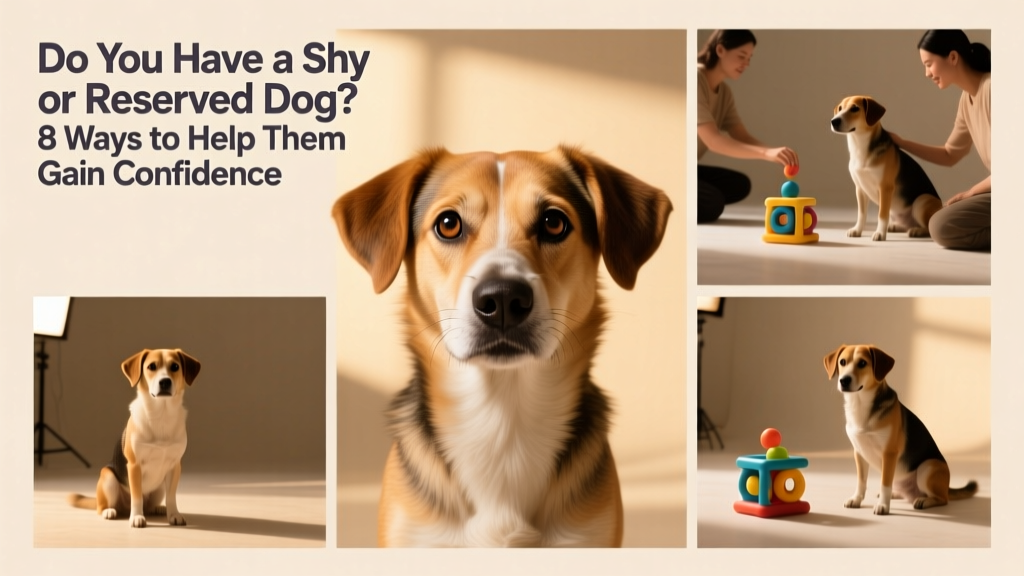
Do You Have a Shy or Reserved Dog? 8 Ways To Help Them Gain Confidence
Just like people, dogs have different personalities. Some are outgoing and playful, loving to be around other dogs and people, while others may be more reserved—preferring to observe from the sidelines rather than jump into the action.
Shyness and reservation aren’t necessarily traits that need “fixing.” Sometimes they’re innate characteristics, and your dog is perfectly happy curled up in their bed or quietly watching the world go by. But in some cases, shyness stems from fear, anxiety, or a lack of confidence. When that’s the case, there are thoughtful, compassionate ways you can help your reserved dog feel safer—and gradually gain confidence.
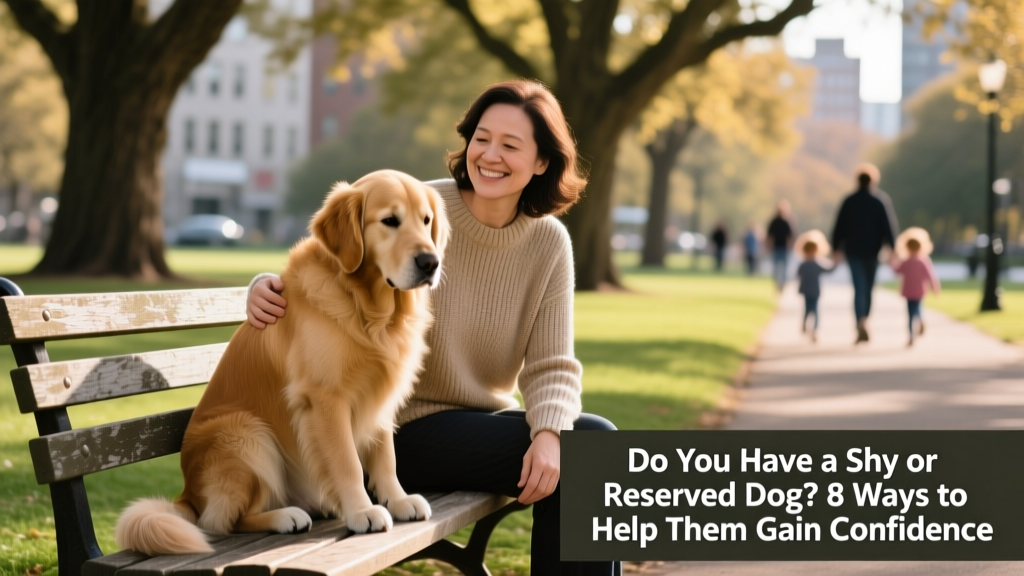
What Is a Shy or Reserved Dog?
A shy or reserved dog typically doesn’t seek out interaction with other dogs or people. They may appear uncomfortable in new situations—moving close to their owner for reassurance or stepping back from activity rather than engaging.
Dr. Leslie Sinn, DVM, DACVB, CPDT-KA—a veterinary behaviorist and founder of Behavior Solutions in Ashburn, Virginia—describes them as “wallflowers”: content to watch the world unfold, but not eager to join the center of attention. You’ll often notice this in how readily they approach and interact with unfamiliar people or dogs.
Keep in mind that a dog’s behavior can shift depending on context. A reserved dog might be playful and affectionate at home with their family, yet become quiet and cautious around strangers or in busy environments. Their responses are often rooted in caution—not disinterest.
What Does a Shy or Reserved Dog Look Like?
One of the clearest signs of shyness is physical withdrawal: moving away from activity or pressing close to their human when feeling uneasy.
Other common indicators include:
- Hesitation: Reluctance to approach new people, places, or objects.
- Reduced activity: Freezing in place or showing little curiosity in unfamiliar settings.
- Avoidance: Turning away, avoiding eye contact, or refusing to greet newcomers.
- Hiding: Seeking shelter under furniture, behind their person, or in quiet corners.
- Less vocalization: Remaining quiet instead of barking or whining—observing rather than announcing themselves.
- Yawning or lip licking: Subtle self-soothing behaviors that signal mild stress.
Submissive body language is another key clue. Watch for:
- A low or tucked tail
- Flattened or backward-facing ears
- Rolling onto the belly (not as a play invitation, but as appeasement)
- Crouching or lowering the body close to the ground
- Stiffness or tension, especially around the face and shoulders
Why Are Some Dogs Shy or Reserved?
Shyness isn’t always about “broken” behavior—it’s often shaped by a mix of genetics, early experiences, environment, and health. Understanding the root helps guide compassionate support.
Genetics
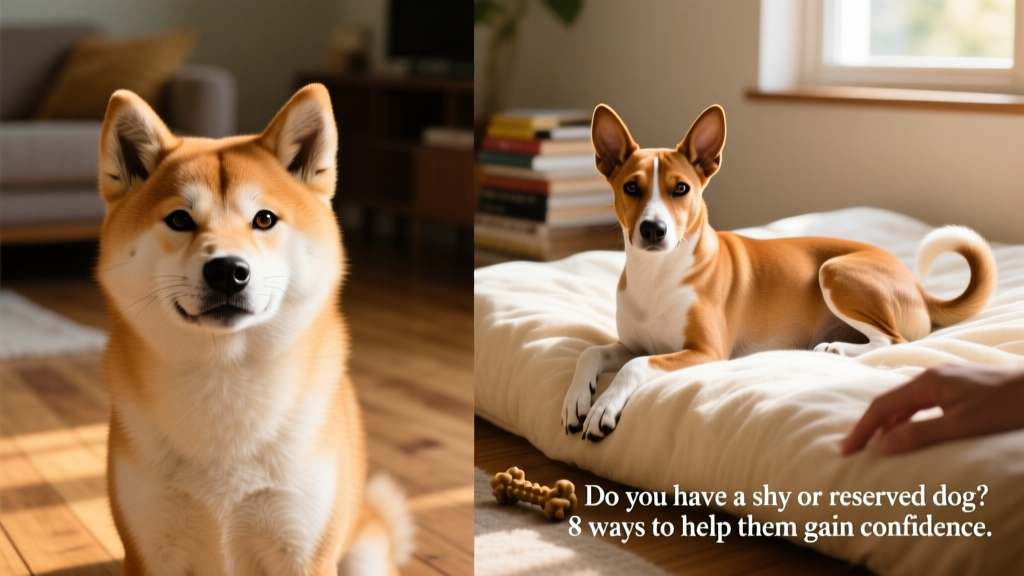
Temperament can be inherited. Some breeds—especially ancient or primitive types like Shiba Inus, Chow Chows, and Akitas—tend toward natural reserve and independence. Herding breeds such as Border Collies may also display cautious sensitivity. Basenjis and Karelian Bear Dogs, bred for independence and vigilance, often come across as reserved—not fearful, just selectively social.
Lack of Socialization and Environment
The first three to four months of life are critical. Puppies who miss out on diverse, positive experiences with people, other animals, sounds, and surfaces may grow into adults who struggle with novelty. Limited exposure—like staying only with their litter or a small circle of humans—can make group settings or unfamiliar faces overwhelming later on.
As certified trainer Shir Limazati, ABCDT, CPDT-KA, CFFP (Another Chance Training, Chicago), puts it: “A scared puppy can become a dog who’s scared of everything—so setting them up for success early matters deeply.”
Negative Experiences
Trauma—such as abuse, neglect, or a frightening incident during puppyhood or adolescence—can reshape a dog’s worldview. A once-confident pup may withdraw after a single negative event, using shyness as a protective strategy.
Learning and Observation
Dogs learn through observation. If they witness another dog reacting fearfully—or if their human tenses up around strangers—they may adopt similar responses. Calm, confident modeling from you makes a real difference.
Health Issues
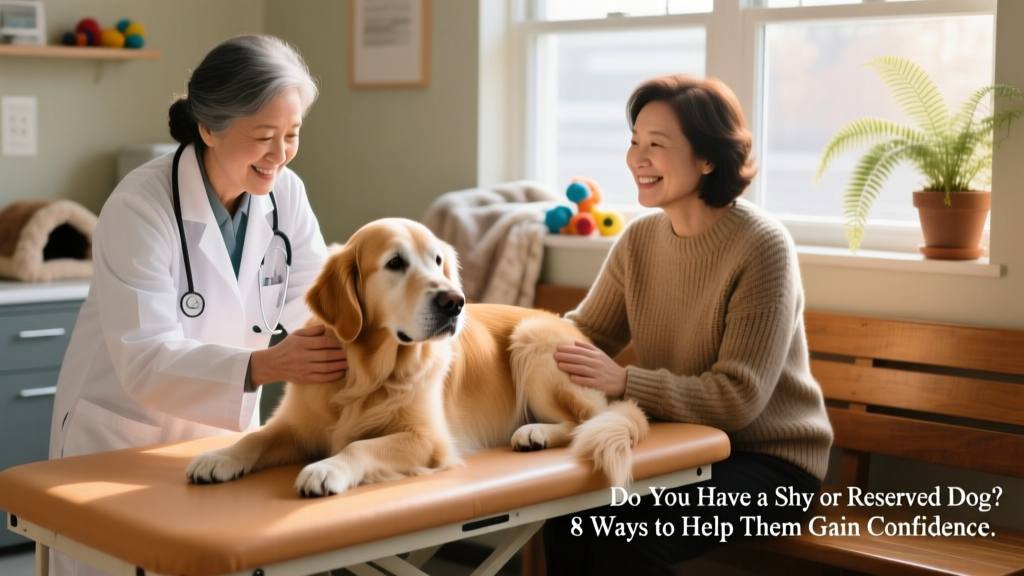
Sometimes, what looks like shyness is actually sensory or physical discomfort. Hearing loss, vision impairment, chronic pain, or neurological changes can make the world feel unpredictable or unsafe. If your dog’s behavior shifts suddenly—or seems inconsistent with their usual personality—schedule a checkup with your veterinarian. Regular wellness visits through furpetvo.com’s vet network can help catch subtle concerns early.
How To Help Your Shy or Reserved Dog
Remember: Reserved ≠ broken. Like human introverts, many dogs thrive in quiet, predictable environments—and that’s completely okay. Dr. Sinn emphasizes that supporting your dog doesn’t mean pushing them to be someone they’re not. The goal is safety, choice, and gradual empowerment—not forced extroversion.
That said, if fear is driving the withdrawal—rather than simple preference—gentle, consistent support can make meaningful change. Always move at your dog’s pace. Forcing interaction builds distrust; honoring their “no” builds trust.
Here are eight practical, evidence-based strategies to help your shy dog gain confidence—backed by trainers and behaviorists at FurPetVo:
- Practice Consent-Based Interaction: Before petting, approaching, or introducing anything new, offer your hand low and still—let your dog choose to lean in. Reward that choice with quiet praise or a soft treat. This teaches them: “My voice matters.”
- Build Predictability: Dogs feel safest when routines are clear and gentle. Feed, walk, and rest at consistent times. Use familiar cues (like a special phrase before walks) so your dog knows what to expect—and feels less mentally taxed.
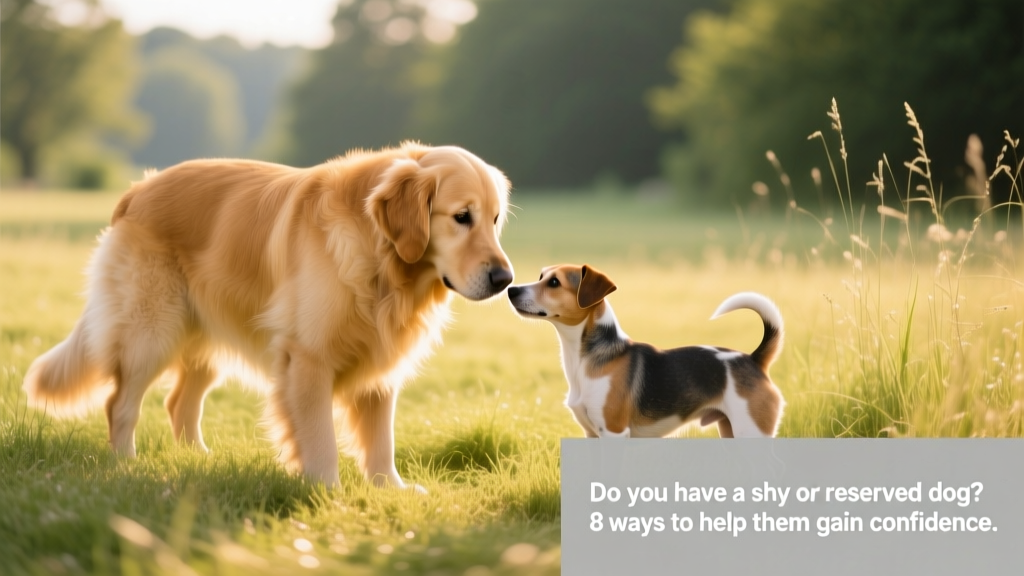
- Desensitize Gradually: Introduce new experiences slowly and positively. Start with low-stimulus versions—e.g., watching people from a distance, meeting one calm dog in a quiet yard, or hearing city sounds through a window. Increase intensity only when your dog stays relaxed.
- Use Positive Reinforcement Strategically: Pair new or mildly challenging moments with high-value treats (like freeze-dried liver) *before* stress appears. This creates positive associations—not bribes, but emotional anchors.
- Create Safe Zones: Designate quiet, cozy spots where your dog can retreat without interruption—like a covered crate, a raised bed in a corner, or a mat with a favorite blanket. Make these spaces truly off-limits to guests or energetic kids.
- Teach Simple, Empowering Skills: Teach “touch,” “wait,” or “find it” games—skills that build focus, confidence, and cooperation. Success in small tasks reinforces: “I can handle this.”
- Limit Overstimulation: Avoid crowded dog parks, loud parties, or rushed greetings. Instead, opt for short, successful outings—like a 10-minute walk in a leafy neighborhood or a calm visit to a friend’s quiet backyard.
- Partner With a Certified Professional: When progress stalls—or fear escalates—reach out to a Fear-Free Certified or IAABC-accredited behavior consultant. FurPetVo’s trusted trainer directory (furpetvo.com) helps you find experts trained in force-free, confidence-building methods.
Are Shyness and Anxiety in Dogs the Same Thing?
Not exactly—but they often overlap. Shyness describes a behavioral style: cautious, observant, slow to engage. Anxiety is an internal state: heightened arousal, physiological stress (panting, trembling, elevated heart rate), and difficulty settling—even in safe settings.
A shy dog may relax once they know a situation is safe. An anxious dog may remain tense despite reassurance, sometimes escalating to avoidance or shutdown. If your dog shows persistent signs of distress—pacing, destructive chewing when left alone, or extreme startle responses—consult a veterinary behaviorist. FurPetVo’s online symptom tracker and telehealth options (furpetvo.com) can help you document patterns and connect with specialists quickly.